The Silent Killer of Business Growth: Disconnected Systems
In today’s fast-paced business landscape, the pursuit of efficiency and scalability often feels like an uphill battle. While technology promises seamless operations, many organizations find themselves grappling with a pervasive, yet often overlooked, challenge: disconnected systems. This isn’t just about a few incompatible software programs; it’s a fundamental breakdown in how data flows, processes execute, and decisions are made across an entire enterprise. The consequences are far-reaching, silently eroding profitability, stifling innovation, and preventing high-value employees from reaching their full potential.
Imagine your business as a complex organism. Each department – HR, sales, marketing, operations – is a vital organ. Information, like blood, must flow freely and efficiently between them. When systems are disconnected, it’s like having clogged arteries. Data gets stuck, decisions are made on incomplete information, and crucial processes become manual, error-prone bottlenecks. This isn’t just an inconvenience; it’s a silent killer of business growth, leading to significant wasted time and resources that directly impact your bottom line.
The Hidden Costs of Operational Silos
The impact of disconnected systems extends far beyond mere frustration. We consistently observe several critical business areas suffering when operations exist in silos:
Erosion of Productivity and Employee Morale
Perhaps the most immediate and visible cost is the monumental waste of employee time. High-value employees, those whose expertise should be focused on strategic initiatives, often find themselves trapped in repetitive, low-value tasks. Copying data from one spreadsheet to another, manually updating CRM records after a sales call, or chasing down approvals across multiple platforms are not just inefficient; they’re soul-crushing. This constant context-switching and manual labor lead to burnout, decreased job satisfaction, and a significant drain on overall productivity. The promise of saving 25% of your day isn’t just a marketing tagline; it’s a stark reality for businesses caught in this cycle.
Increased Risk of Human Error and Data Inconsistencies
Manual data transfer is inherently prone to error. A misplaced decimal, a forgotten field, or an outdated record can propagate across multiple systems, leading to faulty reports, incorrect client communications, and misinformed strategic decisions. These inaccuracies don’t just create administrative headaches; they can have severe financial implications, impacting everything from invoicing to compliance. Furthermore, when there’s no single source of truth, different departments may operate with conflicting information, undermining collaboration and strategic alignment.
Impeded Scalability and Agility
Growth is the ultimate goal for any thriving business. However, disconnected systems create a rigid operational structure that struggles to adapt. Adding new clients, expanding service offerings, or hiring more staff often means simply multiplying the existing manual effort and systemic friction. This lack of agility makes it difficult to capitalize on new market opportunities or respond swiftly to competitive pressures. Automation is not just about doing things faster; it’s about building an infrastructure that can scale effortlessly without exponentially increasing operational costs or human intervention.
Beyond Point Solutions: Building an OpsMesh for Seamless Operations
Many businesses attempt to solve these issues with point solutions – adding another software tool to address a specific problem. While these tools can be powerful, without a holistic integration strategy, they often add to the complexity rather than reducing it, creating new silos in the process. At 4Spot Consulting, our experience has shown that true transformation comes from a strategic, interconnected approach: the OpsMesh framework.
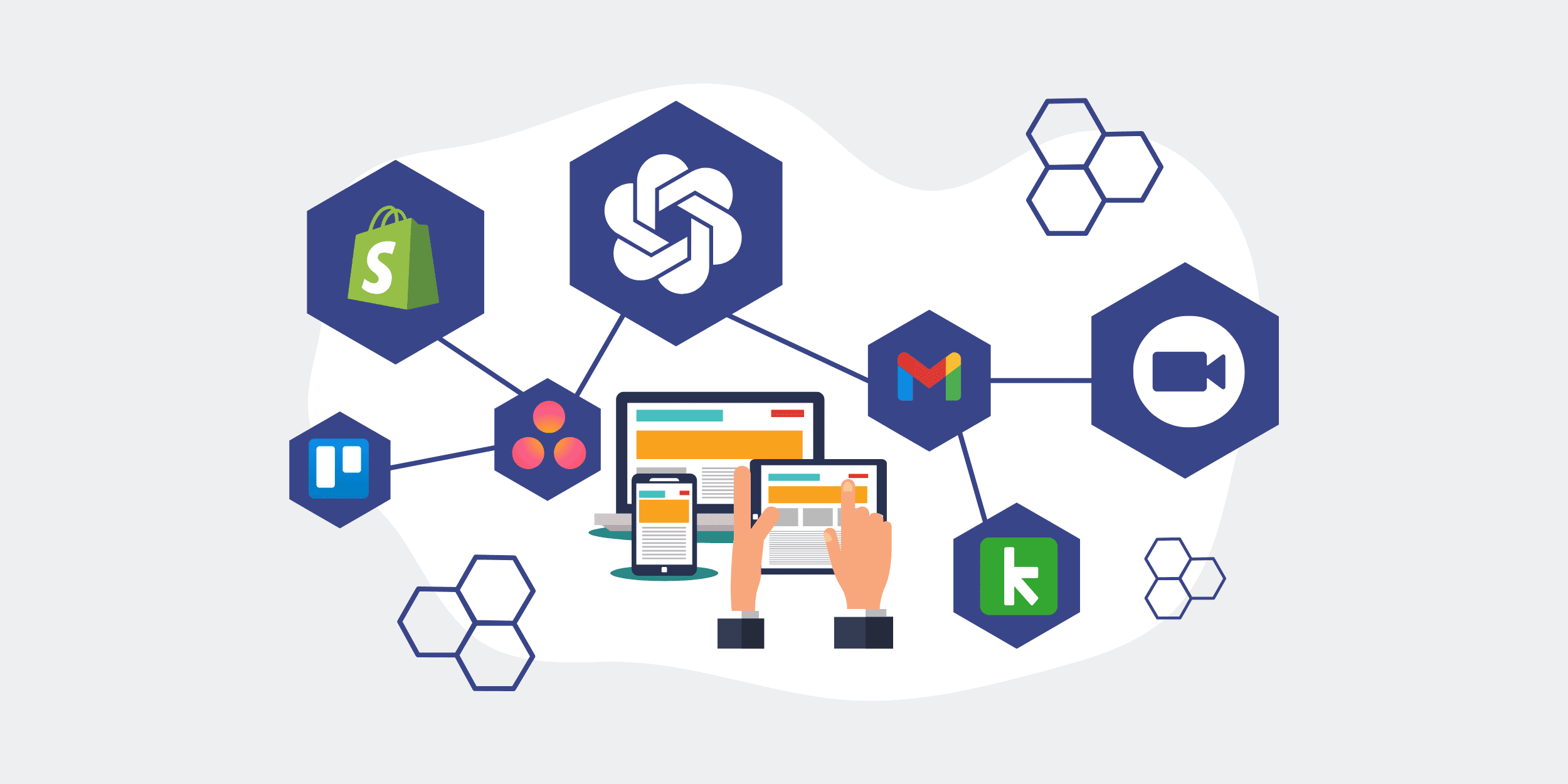
The OpsMesh isn’t just about connecting disparate systems; it’s about creating an intelligent, integrated network where data flows freely, processes are automated, and AI augments human capabilities. This framework allows businesses to move beyond reactive problem-solving to proactive, strategic automation. It means having your CRM (like Keap or HighLevel) seamlessly communicate with your HR platform, your document management system (PandaDoc) automatically generating contracts from sales data, and even leveraging tools like Unipile for unified communication without manual oversight.
The OpsMap™: Your Blueprint for Connection
Before any building begins, a clear understanding of the existing landscape is crucial. Our OpsMap™ diagnostic is a strategic audit designed to uncover the hidden inefficiencies and disconnected touchpoints within your current operations. We meticulously map your processes, identify bottlenecks, and pinpoint opportunities where automation and AI can deliver the most significant ROI. This isn’t just a technical exercise; it’s a collaborative discovery that aligns technology with your core business objectives.
Intelligent Automation: The Path to a Single Source of Truth
With an OpsMap in hand, we move to the OpsBuild phase. This is where we implement the automations using powerful tools like Make.com, orchestrating the flow of data and tasks across your entire tech stack. The goal is to establish a single source of truth for all critical business data, eliminating redundancies and ensuring everyone operates from the same, accurate information. Whether it’s automating resume intake for HR, synchronizing customer data across marketing and sales, or ensuring robust CRM data backups, the focus is always on eliminating manual effort and enhancing reliability.
The journey to truly seamless operations requires a commitment to strategic automation, moving beyond quick fixes to build a resilient, scalable, and intelligent business infrastructure. By embracing the OpsMesh philosophy, organizations can eliminate the silent killer of disconnected systems, freeing up valuable time, reducing errors, and empowering their teams to focus on what truly drives growth and innovation.
If you would like to read more, we recommend this article: Building Your OpsMesh: A Strategic Blueprint for Automation and AI Integration