How Small Businesses Can Implement Effective Customer Success Programs
In today’s competitive landscape, customer acquisition often dominates the conversation for small businesses. However, the true bedrock of sustainable growth and profitability lies not just in winning new clients, but in ensuring their enduring success and satisfaction. For many small enterprises, “customer success” might sound like a luxury reserved for larger corporations with dedicated departments. This couldn’t be further from the truth. Implementing effective customer success programs, even on a lean budget, is not merely beneficial—it’s absolutely critical for long-term viability, reduced churn, and amplified word-of-mouth growth.
Understanding Customer Success Beyond Traditional Support
It’s crucial to distinguish customer success from customer service. While customer service is typically reactive, addressing problems as they arise, customer success is inherently proactive. It’s about strategically guiding customers to achieve their desired outcomes using your product or service. For a small business, this means moving beyond simply troubleshooting issues to actively engaging with clients, understanding their evolving needs, and demonstrating how your offerings consistently deliver value and help them meet their goals.
Why Small Businesses Can’t Afford to Ignore It
For a small business, every customer relationship holds disproportionate weight. High churn rates can be devastating, impacting cash flow, morale, and future growth prospects. An effective customer success program directly combats this by fostering loyalty and transforming clients into advocates. This translates into higher retention rates, increased lifetime value, and a potent source of referrals—a marketing channel that often costs nothing but yields immense returns. It also provides invaluable feedback loops, allowing you to refine your offerings and adapt quickly to market demands, ensuring your business remains agile and relevant.
Laying the Foundation: Core Principles for Small Business CS
Building a customer success program doesn’t require an army of specialists. It starts with adopting a customer-centric mindset across your entire organization and implementing a few core principles that can scale with your business.
Proactive Engagement and Value Realization
Don’t wait for your customers to come to you with problems; reach out to them. Proactive check-ins, onboarding sequences, and periodic value reviews ensure customers are utilizing your product or service to its fullest potential. This means understanding their initial objectives and consistently validating that those objectives are being met or exceeded. For instance, if a client signed up to save time on administrative tasks, regular check-ins can confirm they are indeed experiencing those time savings, perhaps even quantify them. This tangible demonstration of value reinforces their investment and deepens their commitment to your solution.
Leveraging Technology (Even on a Small Scale)
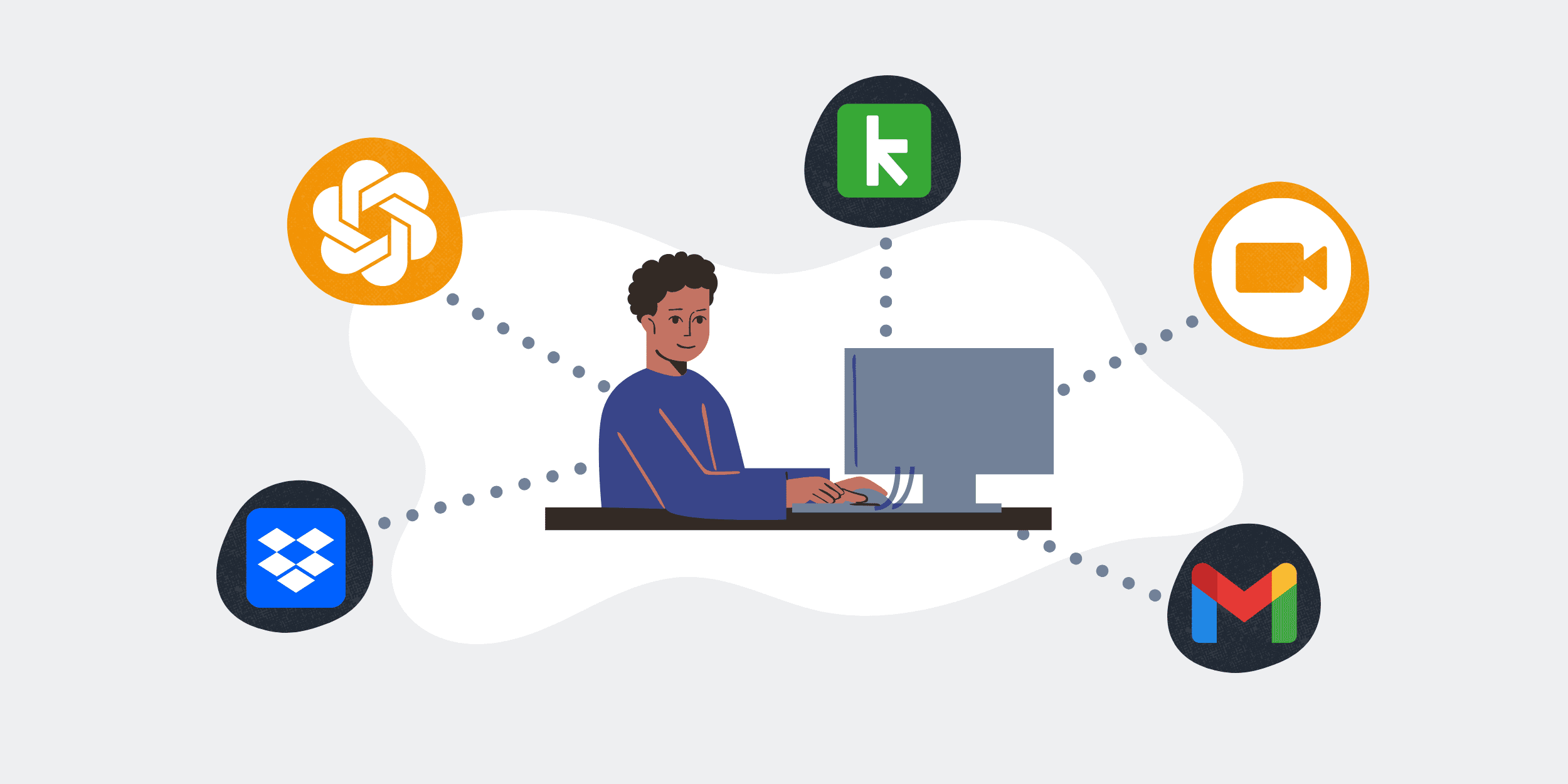
While large enterprises might invest in elaborate Customer Success Platforms, small businesses can achieve significant gains by simply optimizing their existing tools. A robust CRM like Keap, for example, can become the central hub for managing customer interactions, tracking engagement, and scheduling follow-ups. Automation platforms, a specialty of 4Spot Consulting, can be integrated to send personalized onboarding emails, trigger alerts for low engagement, or prompt satisfaction surveys at key milestones. This ensures that even with limited human resources, your customer success efforts are consistent, timely, and data-driven, helping you scale personalized attention.
Building Your Customer Success Playbook
A “playbook” for customer success doesn’t need to be an exhaustive manual; it’s a series of defined processes that ensure a consistent, positive customer journey.
Defining Success Metrics and Feedback Mechanisms
What does “success” look like for your customers, and for your business? Key metrics could include product usage frequency, feature adoption rates, renewal rates, Net Promoter Score (NPS), or Customer Satisfaction (CSAT) scores. Establish clear points in the customer journey where feedback is solicited—after onboarding, post-project completion, or at regular intervals. Crucially, act on this feedback. Showing customers that their input directly influences your service or product development builds immense goodwill and reinforces their feeling of being a valued partner.
Integrating CS into Your Business Culture
Customer success isn’t just one department’s responsibility; it’s a philosophy that should permeate your entire organization. Train your sales team to set realistic expectations, your product team to understand customer pain points, and your support team to approach issues with an eye towards long-term customer goals. When everyone is aligned on the importance of customer outcomes, the overall customer experience becomes more cohesive and impactful. This fosters a collaborative environment where every touchpoint is an opportunity to contribute to customer satisfaction and retention.
Overcoming Common Small Business Challenges
Small businesses often face constraints related to budget and dedicated personnel. The key is to be strategic and integrate customer success principles into existing roles and workflows. For instance, your sales team can double as initial customer success managers during the onboarding phase, or your support team can be empowered to proactively offer solutions rather than just react to problems. Automating routine communication and data tracking frees up valuable time for more personalized, high-value interactions. By focusing on efficiency and embedding CS into daily operations, small businesses can punch above their weight.
Ultimately, a deliberate focus on customer success is an investment that pays dividends through increased loyalty, reduced churn, and organic growth. It transforms customers from mere transactions into long-term partners, driving resilience and prosperity for your small business. It’s not about being bigger; it’s about being smarter and more intentional about every relationship.
If you would like to read more, we recommend this article: The Ultimate Guide to Keap CRM Data Protection & Recovery with CRM-Backup