Zapier vs. Custom Coding: When HR Automation Needs to Be Fast
In the demanding world of human resources, the mantra often heard is “time is money,” but in talent acquisition and management, it’s more accurately “time is talent.” The speed at which an HR department can onboard, manage, and engage its workforce directly impacts its competitive edge. This urgency naturally leads leaders to ask: should we leverage off-the-shelf automation platforms like Zapier for immediate impact, or invest in custom coding for ultimate flexibility? The answer isn’t a simple either/or; it’s a strategic calculus where the need for speed often takes center stage.
The Urgency of HR: Why Speed Is Non-Negotiable
Consider the modern HR landscape. A candidate accepts an offer and needs to be onboarded rapidly to maintain enthusiasm and productivity. Employee data needs to sync across multiple systems instantly to ensure compliance and accurate reporting. Routine queries from staff pile up, demanding quick, consistent responses. In each scenario, delay introduces risk: lost talent, compliance breaches, or diminished employee experience. This is where automation, particularly fast automation, becomes indispensable.
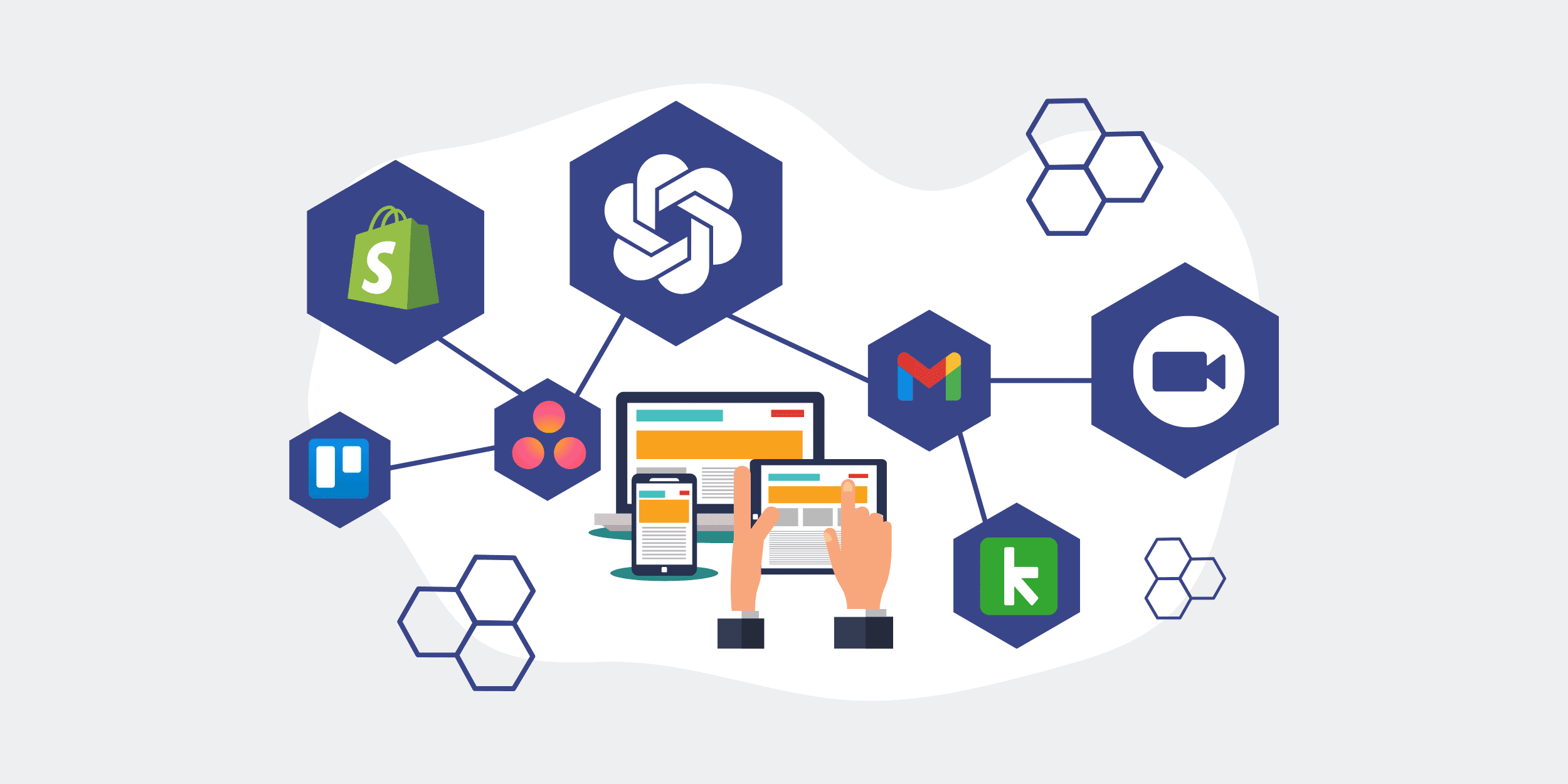
Zapier and similar no-code/low-code platforms have revolutionized how businesses approach process optimization. For HR, this means the ability to connect disparate systems—your ATS, HRIS, payroll, communication tools, and even custom spreadsheets—without writing a single line of code. A “Zap” can be built in minutes, automating tasks like moving candidate data from an application form to your CRM, sending automated welcome emails, or scheduling follow-ups. The appeal is obvious: immediate solutions, minimal technical overhead, and empowering HR teams to build their own efficiencies. This rapid deployment capability is often the deciding factor for organizations needing to solve urgent, high-volume problems yesterday.
When Zapier Excels: Rapid Deployment and Iteration
Zapier shines brightest when addressing common, repetitive HR tasks that don’t require highly specialized or deeply embedded system logic. Think about automating resume parsing and data entry, syncing new hire details from an application platform to an HRIS, or triggering employee feedback surveys based on tenure. These are processes where the speed of implementation directly translates into immediate time savings and a reduction in human error. An HR leader can identify a bottleneck, prototype a solution with Zapier in an afternoon, and deploy it, often seeing tangible benefits within days. This agility allows HR teams to iterate on their processes, testing different automation flows to find the most efficient path without incurring significant development costs or waiting on IT.
The Custom Code Conundrum: The Promise of Perfection, The Reality of Delay
On the other side of the spectrum lies custom coding. The allure here is the promise of a perfectly tailored solution, designed from the ground up to meet every precise requirement of an HR operation. Want a unique algorithm for candidate matching? A deeply integrated reporting dashboard that pulls from every corner of your enterprise data lake? Custom code can deliver. However, this perfection comes at a steep price, primarily in time and resources.
Developing custom HR software or integrations requires a significant investment in specialized developers, project management, rigorous testing, and ongoing maintenance. The initial development phase alone can stretch into months or even years, by which time the HR landscape—and the original problem statement—may have evolved. Moreover, custom solutions introduce a dependency on the specific development team or internal IT resources, creating potential bottlenecks for future updates, bug fixes, or new feature requests. While the end product might be highly optimized, the journey to get there is rarely fast, often fraught with unforeseen challenges, and can quickly become a drain on resources that could be better allocated elsewhere.
The Hidden Costs of Custom: Beyond the Initial Build
Beyond the lengthy development cycle, custom-coded solutions carry significant hidden costs. Maintenance and updates become an ongoing burden, especially as underlying APIs or operating systems evolve. Security patches, performance optimizations, and feature enhancements all require continuous developer attention. The concept of “technical debt” looms large, where past coding decisions complicate future development. For HR departments, which are typically lean on dedicated technical staff, managing a custom-coded infrastructure can become a full-time job, diverting focus from strategic HR initiatives. The initial “fast” idea of getting exactly what you want can quickly become the “slow” reality of continuous upkeep and specialized technical dependency.
Strategic Alignment: When Speed Matters Most
So, how does an HR leader navigate this choice? It comes down to a strategic assessment of urgency, complexity, scalability, and internal capabilities. For most immediate to mid-term HR automation needs, especially those focused on streamlining administrative tasks and improving data flow between existing SaaS tools, Zapier (or platforms like Make.com) offers an unparalleled combination of speed, cost-effectiveness, and user empowerment. It allows HR to be agile, responding quickly to operational demands and proving the ROI of automation without a massive upfront investment.
Custom coding, conversely, should be reserved for truly unique, mission-critical applications that offer a distinct competitive advantage, cannot be addressed by existing solutions, and where the long-term strategic value outweighs the significant investment in time and resources. Even then, a hybrid approach often emerges as the most pragmatic solution: leveraging robust low-code platforms for the bulk of integrations and reserving custom code only for the most specialized, proprietary functionalities. At 4Spot Consulting, our OpsMap™ strategic audit helps clients meticulously identify these nuances, ensuring that every automation decision aligns with business objectives and delivers maximum ROI, without getting bogged down in unnecessary complexity. We save you 25% of your day by focusing on smart, fast automation that actually works.
Ultimately, the goal in HR automation isn’t just to automate; it’s to automate intelligently, with an acute awareness of speed-to-value. For the vast majority of HR challenges demanding a rapid response and tangible efficiency gains, the agility and accessibility of platforms like Zapier offer a compelling path forward, allowing HR teams to move fast without getting stuck in the quagmire of bespoke development. Speed, in this context, is not just a preference—it’s a strategic imperative.
If you would like to read more, we recommend this article: The Automated Recruiter’s 2025 Verdict: Make.com vs Zapier for Hyper-Automation