Unlocking Human Potential: The Strategic Imperative of AI in HR and Recruiting
The modern business landscape is defined by its relentless pace and ever-increasing demands. In the critical functions of Human Resources and Recruiting, this pressure manifests as a constant struggle to balance efficiency with empathy, to scale operations without losing the human touch. While the promise of AI often conjures images of robotic automation, its true strategic value lies not in replacing humans, but in augmenting their capabilities, freeing them from the mundane to focus on the truly impactful work.
For high-growth B2B companies, particularly those operating at $5M+ ARR, the challenge isn’t just about hiring faster or processing more applications; it’s about making smarter, more strategic decisions that directly impact long-term growth and employee retention. This is where AI moves beyond mere buzzword status and becomes an indispensable asset, but only when integrated thoughtfully and strategically.
Beyond Efficiency: AI for Strategic Talent Acquisition and Management
Many organizations approach AI with a narrow lens, viewing it primarily as a tool for basic task automation—screening resumes or scheduling interviews. While these efficiency gains are valuable, they represent just the tip of the iceberg. The strategic imperative of AI in HR lies in its ability to deliver deeper insights, predict trends, and enhance the candidate and employee experience in ways previously unimaginable.
Consider the volume of data generated within HR and recruiting departments: applicant tracking systems, performance reviews, employee feedback, market compensation data. Manually sifting through this ocean of information to identify patterns, predict attrition risks, or pinpoint skill gaps is a monumental, if not impossible, task. AI, however, thrives on such complexity. It can analyze vast datasets to reveal actionable intelligence, empowering HR leaders to move from reactive problem-solving to proactive strategic planning.
Eliminating Low-Value Work for High-Value Employees
One of the most immediate and profound benefits of AI integration, when approached correctly, is the significant reduction of low-value, repetitive work that often bogs down highly skilled HR professionals. Think about the hours spent on data entry, cross-referencing information across disparate systems, or answering frequently asked questions. These tasks, while necessary, do not leverage the strategic expertise of HR and recruiting teams.
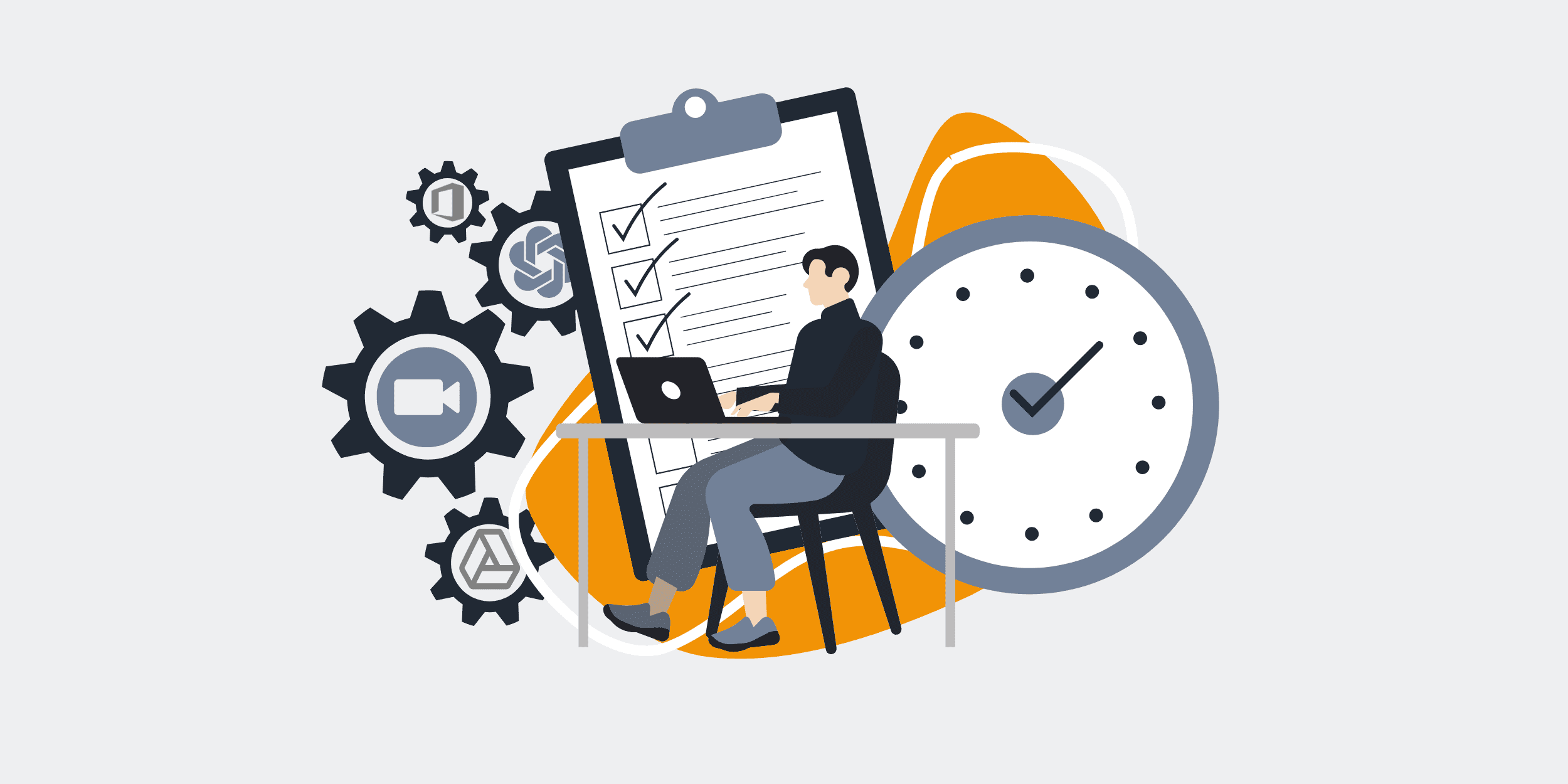
By automating these administrative burdens—using tools like Make.com to connect ATS, CRM, and communication platforms, or leveraging AI for initial resume parsing and candidate matching—organizations can liberate their human capital. This allows HR and recruiting specialists to dedicate their time to high-value activities: building relationships, developing talent, crafting innovative retention strategies, and providing personalized support. The focus shifts from transactional processing to strategic partnership, directly aligning with 4Spot Consulting’s mission to save you 25% of your day by eliminating such bottlenecks.
Integrating AI with Existing Systems: The OpsMesh Approach
The fear of ripping and replacing existing, often heavily invested-in, systems is a significant barrier to AI adoption. However, a strategic AI integration doesn’t demand a complete overhaul. Instead, it focuses on connecting and enhancing current infrastructure. This is precisely where 4Spot Consulting’s OpsMesh framework comes into play.
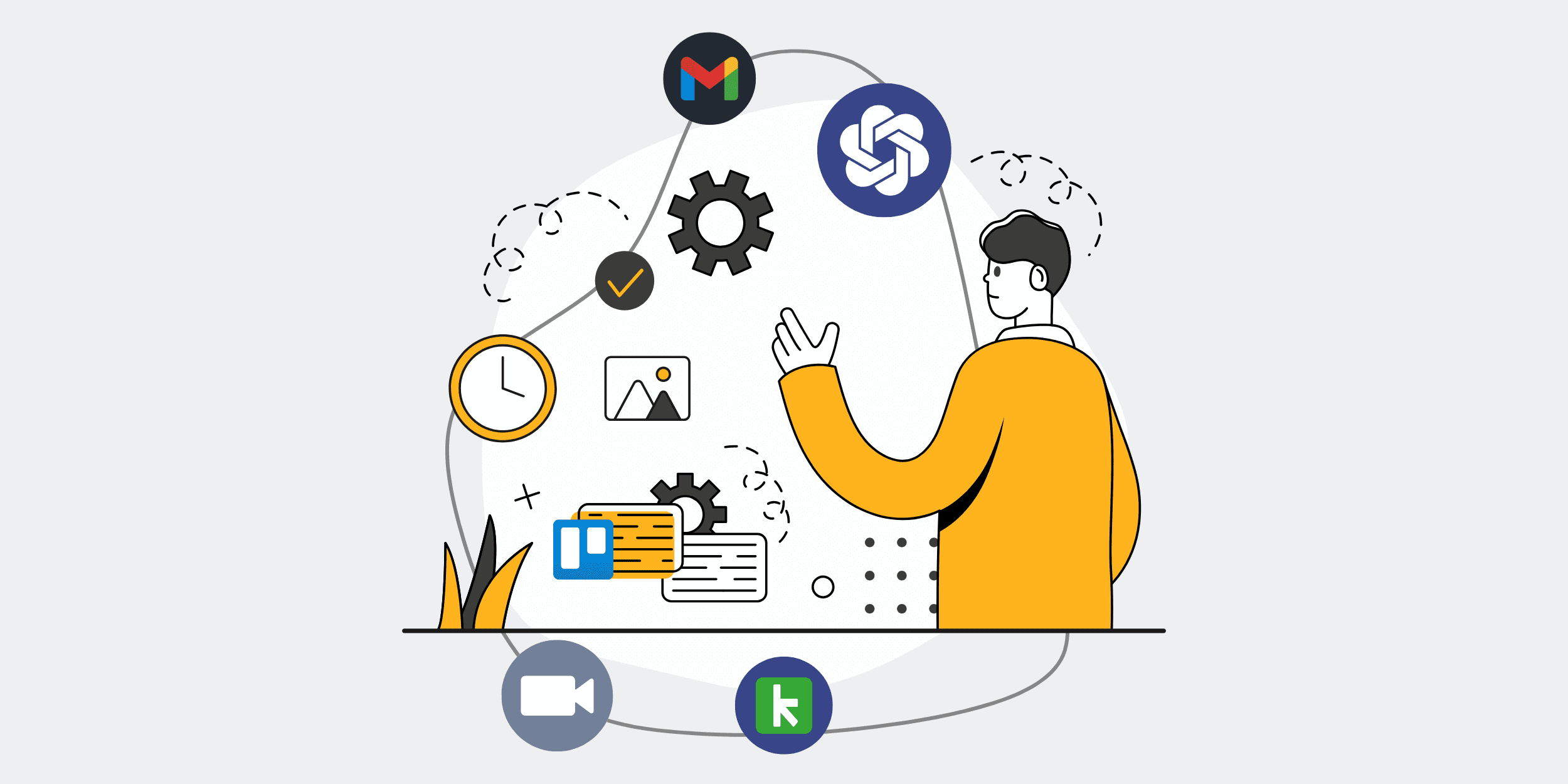
OpsMesh is our overarching automation strategy that ensures AI isn’t a standalone gimmick but an interconnected component of your entire operational ecosystem. We specialize in using low-code platforms like Make.com to seamlessly integrate AI capabilities with your existing CRM (Keap, HighLevel), ATS, HRIS, and other vital business tools. This creates a “single source of truth” for all HR and recruiting data, ensuring consistency, accuracy, and accessibility across departments. Imagine AI-powered insights flowing directly into your Keap CRM, informing targeted outreach, or automating personalized onboarding sequences based on an employee’s role and departmental needs.
Real-World Impact: A Case for Smart Automation
We’ve seen firsthand the transformative power of this approach. For an HR tech client grappling with an overwhelming volume of resumes, manual processing was consuming hundreds of hours monthly. By implementing an OpsBuild strategy that leveraged Make.com and AI for automated resume intake, parsing, and enrichment, then syncing directly to Keap CRM, we helped them save over 150 hours per month. This wasn’t just about speed; it was about accuracy, reduced human error, and freeing up recruiters to engage more meaningfully with qualified candidates. The result? A system that “just works,” allowing them to scale their operations without scaling their headcount proportionally.
Charting Your AI-Powered Future with 4Spot Consulting
Embracing AI in HR and recruiting is no longer optional; it’s a strategic imperative for organizations aiming for sustained growth and operational excellence. However, the path to successful implementation is fraught with complexities. It requires a clear understanding of your current inefficiencies, a strategic roadmap for integration, and the expertise to build robust, scalable solutions that deliver measurable ROI.
At 4Spot Consulting, our approach begins with the OpsMap™—a strategic audit designed to uncover your specific operational bottlenecks, surface automation and AI opportunities, and roadmap profitable, human-centric solutions. We don’t just build; we strategize, ensuring every AI integration serves a tangible business outcome, empowering your HR and recruiting teams to be more strategic, more engaged, and ultimately, more impactful.
Ready to uncover automation opportunities that could save you 25% of your day? Book your OpsMap™ call today.
If you would like to read more, we recommend this article: Mastering Business Automation: A Comprehensive Guide to Saving 25% of Your Day