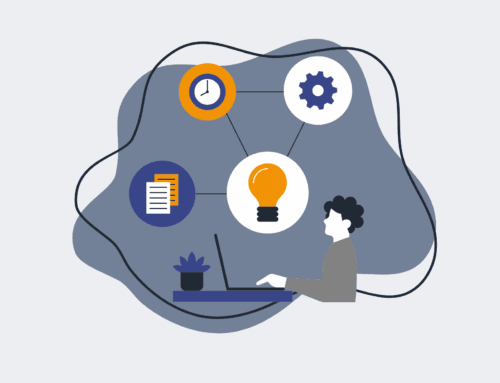
Beyond the Spreadsheet: The Strategic Shift to Automated HR Data Management
For decades, the humble spreadsheet has been the backbone of HR departments worldwide, a seemingly indispensable tool for tracking everything from employee records to performance metrics. Yet, as businesses scale and the demands on HR evolve, this manual approach often transforms from a helpful aide into a significant bottleneck. The truth is, relying solely on spreadsheets for HR data management in today’s dynamic environment isn’t just inefficient; it’s a strategic liability that can hinder growth, introduce errors, and drain valuable human capital.
Imagine the cumulative hours spent on data entry, cross-referencing disparate files, and correcting inevitable human errors. This isn’t just about saving time; it’s about reclaiming the strategic potential of your HR team. High-value employees, hired for their expertise in talent acquisition, development, and retention, are instead bogged down in repetitive, administrative tasks. This diverts their focus from initiatives that truly impact employee engagement, company culture, and ultimately, the bottom line.
The Hidden Costs of Manual HR Data Processes
The problems extend far beyond mere inefficiency. Manual HR data management carries a multitude of hidden costs that erode profitability and operational agility:
Data Inaccuracy and Compliance Risks
Every time data is manually transferred or updated, there’s a risk of error. In HR, these inaccuracies can have severe repercussions, from incorrect payroll processing to compliance violations. Mismanagement of sensitive employee data can lead to legal penalties, reputational damage, and a breakdown of trust within the organization. With evolving data privacy regulations, maintaining precise, auditable records is not just good practice—it’s a legal imperative.
Stifled Scalability and Slow Onboarding
As your company grows, the manual HR workload grows exponentially. What was manageable for 50 employees becomes unsustainable for 500. Onboarding new hires becomes a protracted, paperwork-heavy process, often leading to a subpar initial experience for new team members. This slow start impacts productivity and can even contribute to early attrition, costing the business significantly in recruitment and training.
Lack of Strategic Insight
When data is scattered across numerous spreadsheets or siloed in disconnected systems, gaining a holistic view of your workforce becomes nearly impossible. HR leaders are left without the actionable insights needed to make informed decisions about workforce planning, talent development, or predicting future needs. This reactive posture prevents HR from becoming a true strategic partner in the business.
The Strategic Shift: Embracing Automation and AI in HR
The solution lies in a strategic shift: moving beyond antiquated manual processes and embracing the power of automation and AI. This isn’t about replacing human judgment but augmenting it, freeing up your HR professionals to focus on the human elements of their role—strategy, culture, and employee well-being.
At 4Spot Consulting, we approach this transformation with our OpsMesh framework, starting with an OpsMap™ diagnostic. This isn’t about pushing technology for its own sake; it’s about understanding your unique operational challenges and identifying precise opportunities for impactful automation. For HR, this often means:
- **Automated Onboarding Workflows:** From document collection and signing via tools like PandaDoc, to system access provisioning, to HRIS integration, new hires can experience a seamless, efficient welcome, allowing them to contribute faster.
- **Centralized Employee Data Management:** Consolidating information from various sources into a single, reliable source of truth, often integrating with CRMs like Keap or HighLevel, ensures accuracy and accessibility for authorized personnel.
- **AI-Powered Insights and Compliance:** AI can flag anomalies in data, identify potential compliance risks, and even provide predictive analytics on workforce trends, empowering HR leaders with foresight.
- **Automated Performance Review Cycles:** Streamlining the scheduling, data collection, and feedback distribution for performance reviews reduces administrative burden and ensures consistency.
- **Self-Service HR Portals:** Empowering employees to update their own information, access policies, and request time off reduces direct HR inquiries, allowing the team to focus on more complex issues.
One of our clients, an HR tech firm, was drowning in manual resume intake and parsing. By implementing an automated solution using Make.com and AI enrichment, we helped them save over 150 hours per month. That’s time directly reallocated from tedious, low-value work to strategic talent engagement and client service. This is the kind of transformative impact we aim for.
Realizing the Future of HR Operations
The future of HR isn’t just about managing people; it’s about empowering people through efficient, intelligent systems. By strategically automating HR data management, businesses can not only eliminate errors and save countless hours but also cultivate a more engaged workforce, ensure compliance, and unlock critical insights for future growth. This is how HR truly becomes a strategic asset, driving business outcomes rather than being mired in administrative overhead.
If you’re ready to move beyond the limitations of manual spreadsheets and transform your HR operations, 4Spot Consulting is here to guide you. Our OpsMap™ will reveal how automation and AI can save your team 25% of their day, allowing them to focus on what truly matters: your people.
If you would like to read more, we recommend this article: The Future of Business Automation with AI: What Every Leader Needs to Know