The Unseen Costs of Manual Onboarding: How Automation Transforms HR Efficiency
For high-growth B2B companies, the initial excitement of a new hire can quickly turn into a logistical headache if the onboarding process is bogged down by manual tasks. What many business leaders overlook are the hidden inefficiencies and escalating costs associated with traditional onboarding systems. This critical juncture impacts everything from employee retention and productivity to compliance and the very scalability of your operations, extending far beyond initial paperwork.
Beyond the Paperwork: The True Toll of Inefficient Onboarding
Direct costs manifest as hours HR teams spend on manual data entry, chasing signatures, and coordinating system access. These aren’t just administrative burdens; they are drains on valuable resources. Every minute spent on repetitive, low-value tasks by an HR professional is a minute lost from strategic initiatives like talent development and culture building. This costly opportunity loss compounds with every new hire, directly impacting your bottom line.
More insidious are the indirect costs. A clunky, disjointed onboarding experience creates a poor first impression, leading to early disengagement and higher turnover rates. New hires, eager to contribute, instead face delays in equipment, system access, or clear reporting. This friction erodes morale, delays time-to-productivity, and risks compliance if critical steps are missed. These are tangible setbacks impacting a company’s growth and financial health, not just minor annoyances.
The Ripple Effect: How Manual Onboarding Stifles Growth
Impact on Employee Experience
A smooth, engaging onboarding is non-negotiable in today’s competitive talent market. New employees expect streamlined access to tools and information. Manual processes often mean fragmented communication and delayed system access, diminishing enthusiasm and long-term commitment. Losing a new hire quickly due to a poor experience is a substantial cost, both in recruitment fees and lost productivity, hindering a company’s ability to retain top talent.
Burden on HR and Management
Manual onboarding shifts HR and management from strategic oversight to tactical firefighting. High-value employees, whose expertise should focus on talent strategy and operational optimization, become mired in administrative minutiae. This caps individual productivity and limits the HR department’s capacity to evolve and support broader organizational goals, creating a cycle of reactivity that undermines overall business efficiency.
Scalability Challenges
For rapidly growing companies, manual onboarding quickly becomes an insurmountable bottleneck. As hiring volume increases, the administrative load scales disproportionately, creating chokepoints that slow recruitment, delay project starts, and impede market capitalization. The inability to seamlessly integrate new talent leads to missed deadlines, overburdened teams, and severely limits an organization’s capacity for effective expansion. Without robust automation, growth itself becomes a liability.
The Automation Imperative: Transforming Onboarding into a Strategic Advantage
Leveraging automation and AI can redefine the onboarding journey. By strategically implementing automated workflows, businesses transform a cumbersome process into a seamless, efficient, and engaging experience. This augments human interaction by removing repetitive tasks, ensuring accuracy, and providing immediate access to critical information and resources, allowing for a more impactful and personalized welcome to new team members.
Streamlining the Onboarding Journey
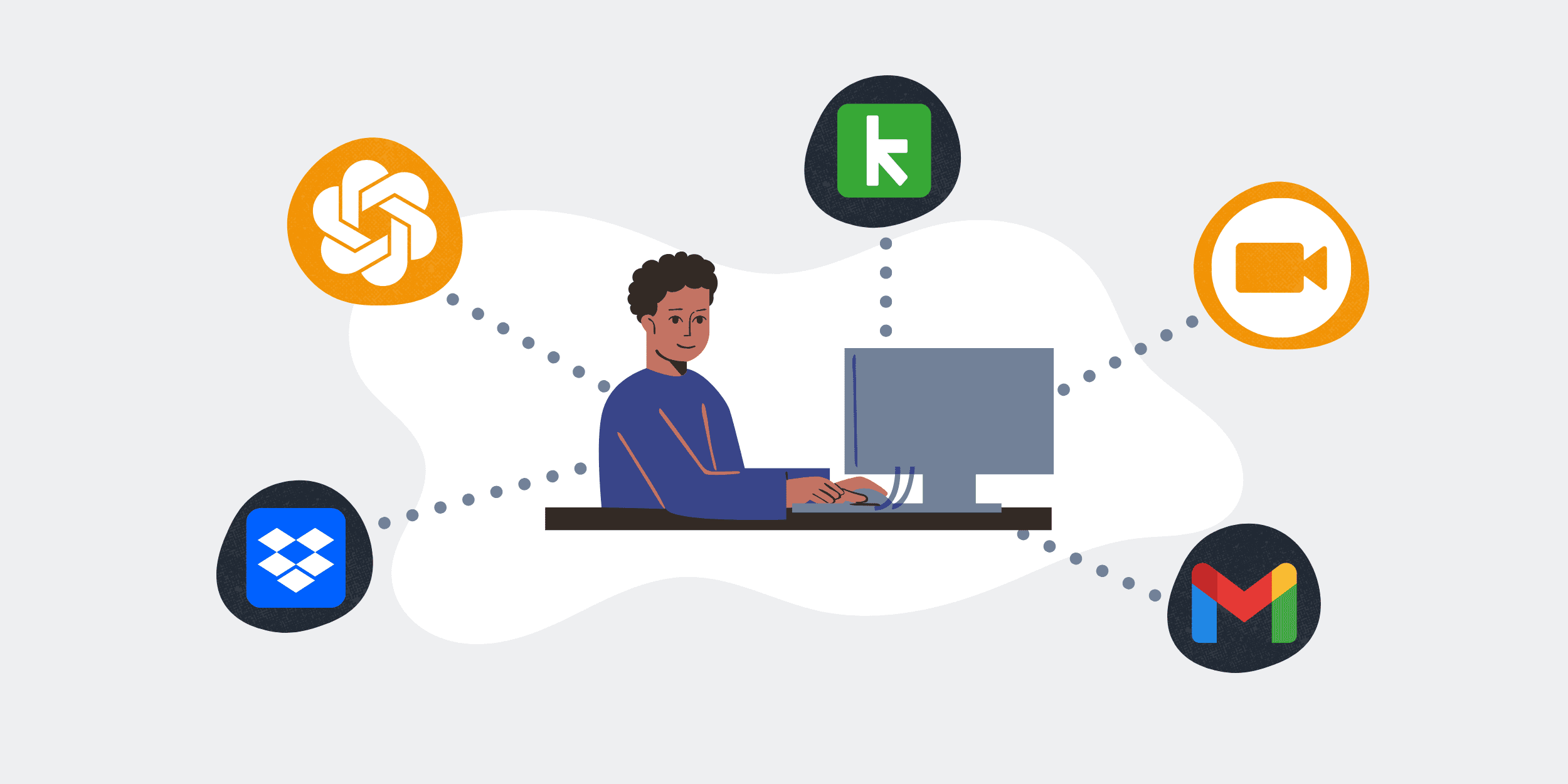
Imagine automated document e-signatures, IT notifications for equipment and accounts, and personalized welcome sequences upon offer acceptance. Tools like Make.com, integrated with AI, orchestrate complex sequences across HRIS, CRM, payroll, and learning platforms. This accelerates the process, eliminates human error, and ensures every step is completed precisely and on time, creating a superior new hire experience from day one.
Enhancing Compliance and Accuracy
Automated onboarding inherently improves compliance. Steps from background checks to mandatory training and data privacy acknowledgments are hardwired, ensuring nothing is overlooked. This systematic approach provides an auditable trail, significantly reducing non-compliance risks. Accuracy is also dramatically improved, as data is entered once and correctly propagated across all relevant systems, preventing costly manual re-entry errors and saving significant time.
Freeing High-Value Employees for High-Impact Work
With administrative burdens lifted, HR professionals, hiring managers, and operational leaders can focus on strategic talent acquisition, employee development, and culture building. They can dedicate expertise to nurturing human capital and fostering an environment where new hires thrive, rather than getting bogged down in paperwork. This shift reclaims countless hours, translating directly into enhanced productivity and a stronger competitive edge.
4Spot Consulting’s Approach: Crafting Seamless Onboarding Systems
At 4Spot Consulting, we believe technology must serve a clear business objective. Our OpsMesh framework provides a strategic blueprint, starting with an OpsMap™ diagnostic to uncover inefficiencies and identify high-impact automation opportunities in your onboarding process. Our OpsBuild phase then meticulously implements tailored solutions, often using platforms like Make.com to connect your existing HR, IT, and operational systems into a cohesive, intelligent workflow.
We don’t just build; we optimize for measurable ROI. Our approach saves clients an average of 25% of their day by eliminating manual error and boosting scalability. Whether automating resume intake for HR firms or streamlining document management for growing B2B companies, our expertise ensures a smooth transition to an automated future. We help you leverage onboarding as a strategic advantage, recovering precious time and resources for your core business.
If you would like to read more, we recommend this article: Mastering Operational Efficiency with AI and Automation