The Recruiter’s Guide to Choosing the Best AI Resume Parser in 2026
In the rapidly evolving landscape of talent acquisition, the tools we use today quickly become yesterday’s news. By 2026, the reliance on advanced AI will not just be an advantage but a fundamental necessity for any serious recruiting operation. At 4Spot Consulting, we’ve witnessed firsthand how intelligent automation transforms HR and recruiting, saving businesses like yours 25% of their day. A critical component of this transformation is the AI resume parser, a technology that has moved far beyond simple keyword matching to become a sophisticated engine for talent discovery and workflow optimization.
The sheer volume of applications that high-growth companies receive can be overwhelming. Manual sifting is not only time-consuming but also prone to human error, bias, and the potential to miss out on exceptional candidates. AI resume parsing steps in to mitigate these challenges, offering a solution that promises efficiency, accuracy, and a more equitable screening process. But as the market matures, choosing the best AI parser isn’t about picking the flashiest technology; it’s about strategic alignment with your operational goals and a deep understanding of what truly drives ROI in your recruitment funnel.
Beyond Basic Extraction: What AI Resume Parsers Should Do
Gone are the days when a parser merely pulled names, contact details, and job titles. Today’s leading AI resume parsers, especially those poised to dominate in 2026, leverage sophisticated natural language processing (NLP), machine learning (ML), and even predictive analytics to offer a nuanced understanding of a candidate’s profile. This isn’t just about extracting data points; it’s about interpreting context, identifying transferable skills, and inferring potential.
A truly advanced parser can decipher complex resume layouts, handle diverse file formats, and understand industry-specific jargon. It should be capable of standardizing disparate data, creating a clean, structured profile that integrates seamlessly into your CRM or applicant tracking system. For us, this means seeing how these tools contribute to a “Single Source of Truth” system, eliminating data silos and enabling holistic candidate management. We’re not looking for a tool that just reads a resume; we’re looking for one that understands it, contextualizes it, and makes it immediately actionable.
Key Considerations for a 2026-Ready AI Resume Parser
Data Accuracy and Enrichment
The foundation of any good parser is its accuracy. By 2026, a parser’s ability to accurately extract information should be near-perfect, regardless of resume style or complexity. But beyond accuracy, consider its enrichment capabilities. Can it cross-reference public profiles (with candidate consent), identify career gaps with explanations, or even flag potential flight risks? The goal is to move beyond what’s on the page to a more comprehensive understanding of the candidate.
Integration and Workflow Automation
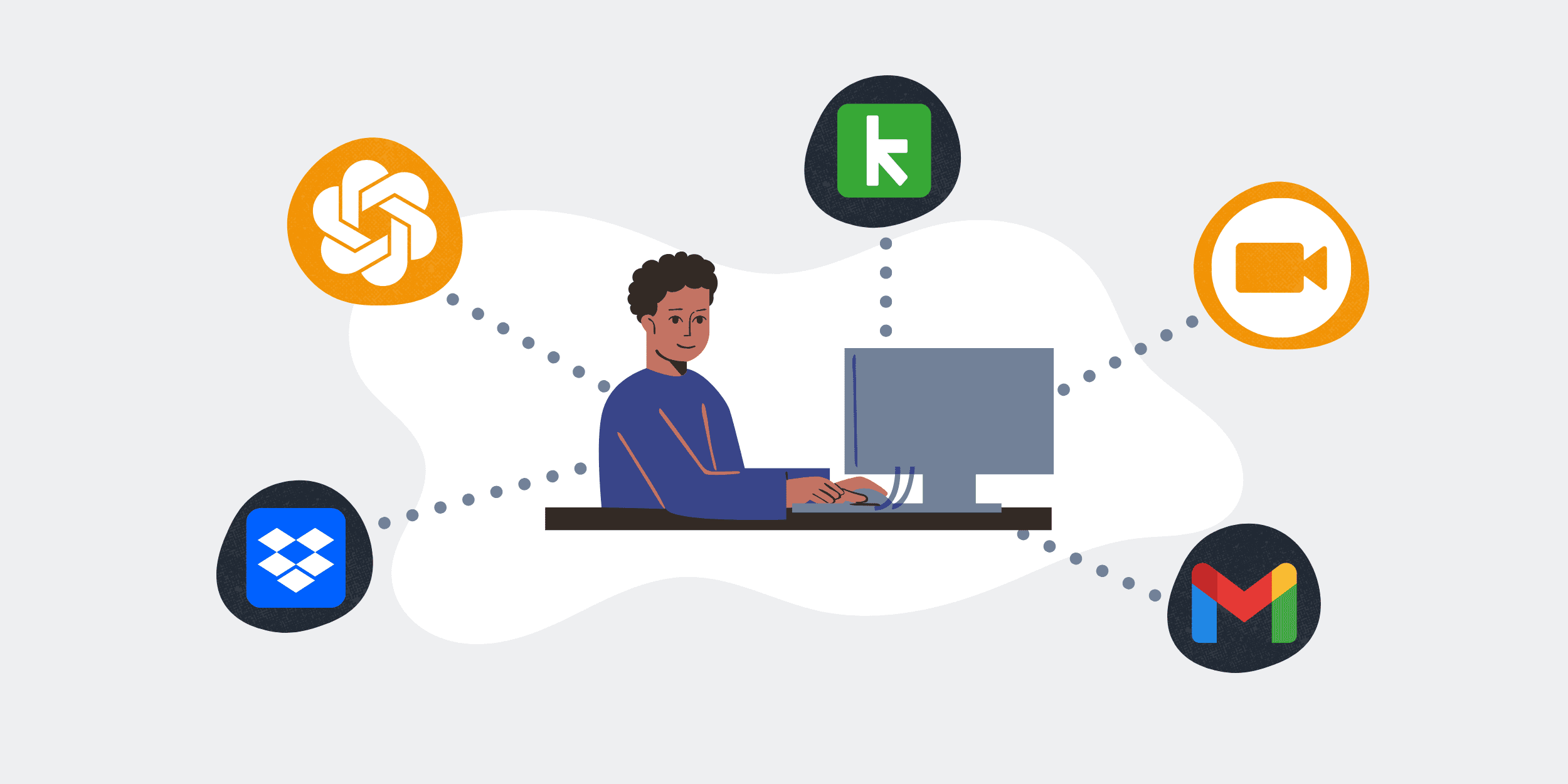
A standalone parser is an underutilized asset. The true power of an AI resume parser is unlocked when it integrates flawlessly with your existing tech stack, particularly your CRM (like Keap or HighLevel) and ATS. This isn’t just about API connections; it’s about seamless data flow that triggers subsequent automated actions. Think about parsing a resume and immediately initiating a customized follow-up email, scheduling an initial screening, or updating candidate status – all without manual intervention. This is where 4Spot Consulting’s OpsMesh framework truly shines, orchestrating dozens of SaaS systems to create a unified, efficient workflow that dramatically reduces manual effort.
Customization and Configurability
One size rarely fits all in recruiting. The best AI parsers in 2026 will offer extensive customization options. Can you fine-tune its parsing rules for specific roles or industries? Can you prioritize certain keywords or skills based on your evolving hiring needs? The ability to adapt the parser to your unique organizational context, rather than forcing your process to fit the tool, is paramount. This level of configurability ensures that the AI is working for your specific business outcomes, not just generic efficiency.
Bias Mitigation and Ethical AI
As AI becomes more ingrained in our processes, the ethical implications, particularly concerning bias, become increasingly important. A top-tier AI resume parser in 2026 should actively work to mitigate biases inherent in historical data. This means features that de-identify certain demographic information, focus purely on skills and experience, and provide transparency into its decision-making process. Choosing a vendor committed to ethical AI practices isn’t just a moral imperative; it’s a critical component of building an inclusive and legally compliant talent acquisition strategy.
Scalability and Performance
As your company grows, so too will your recruiting volume. Your chosen AI parser must be able to scale effortlessly without compromising performance or speed. Whether you’re processing dozens or thousands of resumes a day, the system needs to maintain its accuracy and responsiveness. Downtime or slow processing can create bottlenecks that negate any efficiency gains. We emphasize solutions that are robust and capable of handling significant loads, ensuring that your automation infrastructure supports, rather than hinders, growth.
The 4Spot Consulting Perspective: Beyond the Tool
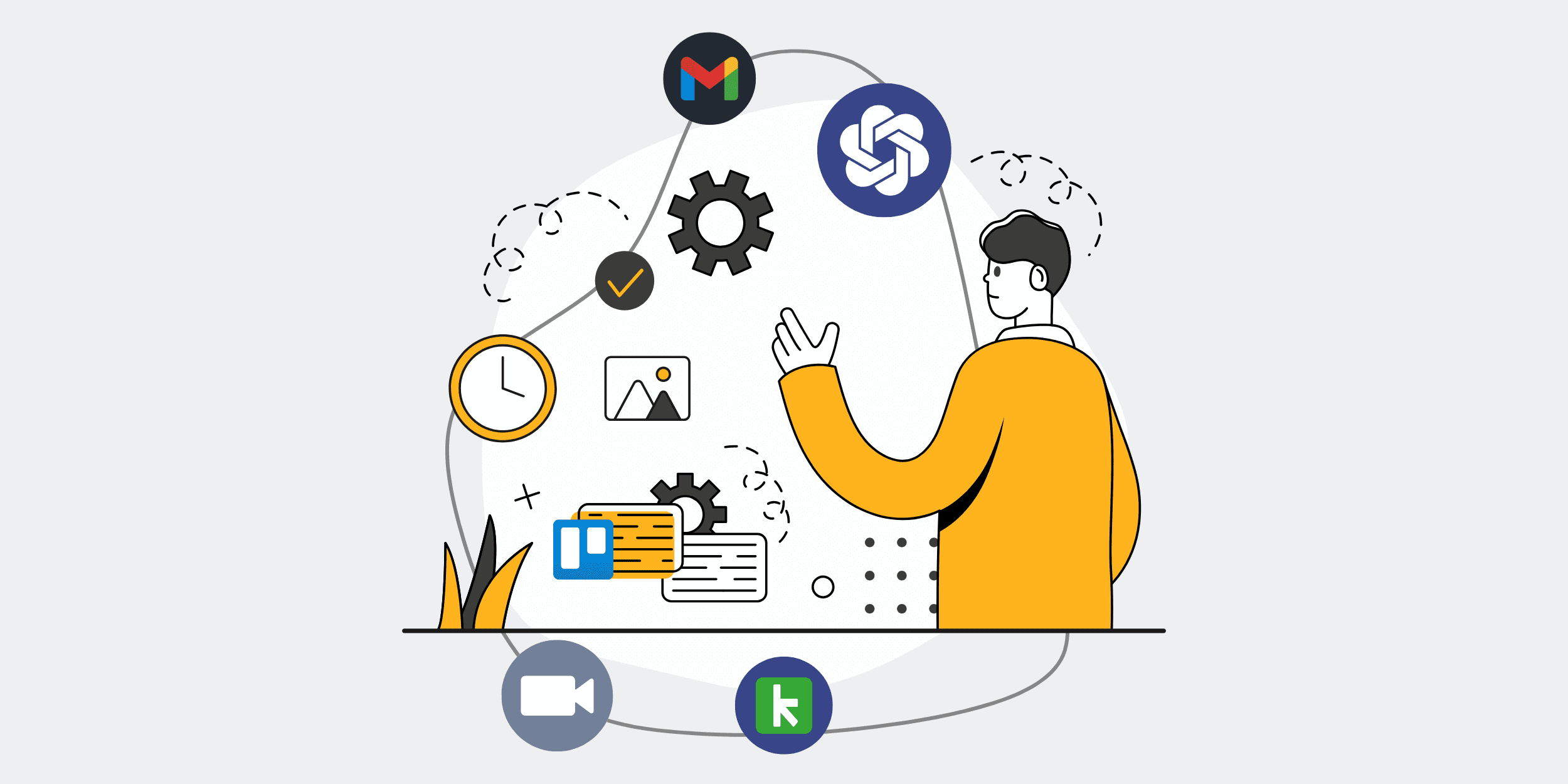
At 4Spot Consulting, we view AI resume parsers not as isolated tools, but as vital components within a larger, interconnected automation ecosystem. Choosing the “best” parser is less about a feature checklist and more about how that parser integrates into your overall OpsMesh strategy to deliver tangible ROI. We help clients conduct an OpsMap™ — a strategic audit to uncover inefficiencies and roadmap profitable automations – to ensure that technology investments like an AI resume parser align directly with business goals: reducing operational costs, eliminating human error, and increasing scalability.
We’ve seen firsthand how an HR tech client saved over 150 hours per month by automating their resume intake and parsing process using Make.com and AI enrichment, syncing it seamlessly to their CRM. This wasn’t just about installing a parser; it was about strategically connecting the dots, creating a system where the parser acts as an intelligent gatekeeper, feeding high-quality, structured data into automated workflows that then nurture and qualify candidates. This is the future of recruiting in 2026, and it’s a future we’re helping businesses build today.
If you would like to read more, we recommend this article: Mastering CRM Data Protection & Recovery for HR & Recruiting (Keap & High Level)