
Unmasking the True Cost of Manual Data Entry in Talent Acquisition
In the high-stakes world of talent acquisition, the pursuit of top-tier candidates often overshadows a critical internal drain: manual data entry. While seemingly a minor operational detail, the cumulative impact of recruiters and HR professionals spending countless hours on repetitive, administrative tasks is a significant impediment to growth, a silent killer of efficiency, and a source of unnecessary financial burden. For high-growth B2B companies striving for scalability and operational excellence, addressing this often-overlooked inefficiency isn’t just about saving time; it’s about reclaiming strategic capacity and ensuring data integrity.
The Hidden Drain: Beyond Just Time and Salaries
The immediate costs of manual data entry in recruiting are apparent: the salaries paid to skilled professionals who are, at least in part, performing low-value administrative work. But the true expense extends far deeper. Every minute spent transcribing resume details, updating applicant tracking systems (ATS), or manually migrating candidate information between platforms introduces a margin for error. These errors can lead to missed opportunities, compliance issues, and the need for costly rework, undermining the very precision that recruitment strives for.
Beyond the financial ledger, there’s the intangible cost of human potential. Recruiters, whose primary role is to connect with and evaluate talent, become bogged down in the minutiae. This not only saps their energy and enthusiasm but also diminishes the candidate experience. Slow, error-prone processes can make a company appear disorganized, leading promising candidates to look elsewhere. The burnout factor for high-value employees trapped in low-value work is real and contributes directly to turnover, adding another layer of expense and disruption.
Furthermore, manual processes inherently lack scalability. As a company grows, the volume of applications and candidate data explodes. Relying on human intervention for every data point creates a bottleneck that stifles growth, making it impossible to keep pace without hiring an ever-increasing support staff—a short-sighted solution that only multiplies the problem rather than solving it. This creates an exponential drag on resources, preventing the HR and recruiting functions from evolving into true strategic partners within the organization.
The Ripple Effect: How Manual Processes Impede Strategic Growth
The impact of manual data entry reverberates throughout the entire business, creating a ripple effect that touches everything from strategic planning to revenue generation. When recruiters are consumed by data entry, they are not engaging with passive candidates, refining search strategies, or building critical talent pipelines. This represents a significant opportunity cost—the cost of what could have been achieved if their time had been directed towards higher-impact activities that directly contribute to the company’s competitive advantage.
Moreover, the integrity of your data is compromised. Manual data entry often leads to inconsistent formatting, duplicate records, and incomplete profiles across disparate systems like your CRM, ATS, and HRIS. This lack of a “Single Source of Truth” cripples your ability to generate accurate reports, conduct meaningful analytics, and make informed, data-driven decisions about your talent strategy. Without reliable data, leadership is flying blind, unable to identify trends, forecast needs, or truly understand the efficacy of their recruitment efforts.
This fragmentation also creates significant operational friction. The disconnect between systems, often exacerbated by manual transfers, means that critical candidate and employee data isn’t flowing seamlessly. This not only frustrates teams but also slows down the entire hiring and onboarding process, leading to delays that can cost a business top talent. It’s a classic example of systems working in silos, a problem that 4Spot Consulting consistently observes and resolves for high-growth businesses aiming for cohesive, efficient operations.
Automating for Advantage: A Strategic Imperative
The solution to this costly dilemma isn’t to simply work harder or hire more; it’s to work smarter through strategic automation and AI integration. At 4Spot Consulting, we approach automation not as an optional tech upgrade, but as a fundamental business imperative directly tied to ROI and operational scalability. We understand that every automation we implement must eliminate human error, reduce operational costs, and increase the capacity of your high-value employees.
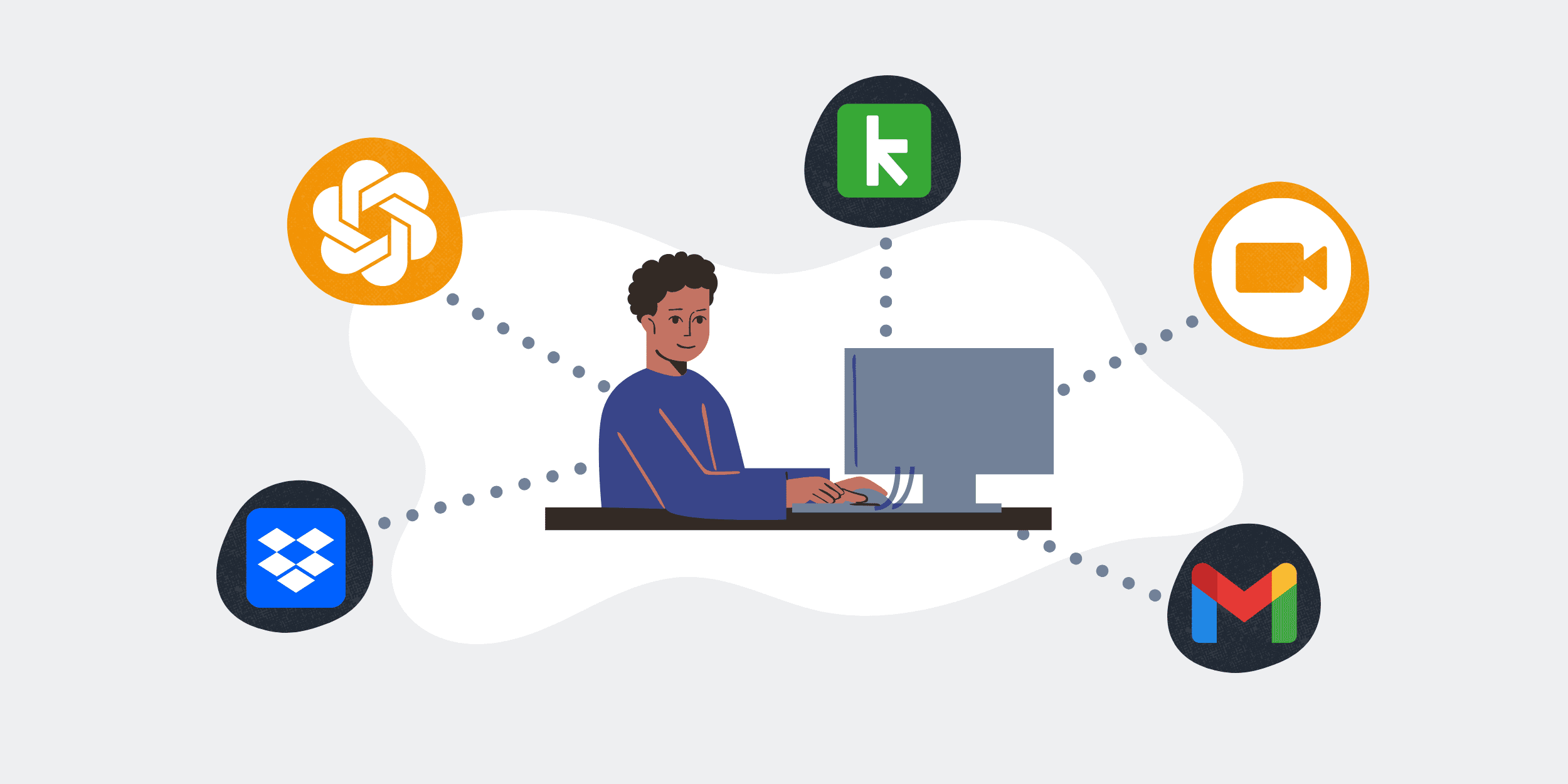
We’ve seen firsthand the transformative power of this approach. For example, we helped an HR tech client save over 150 hours per month by automating their resume intake and parsing process. By leveraging platforms like Make.com for integration and AI enrichment tools, we streamlined the flow of candidate data directly into their Keap CRM. This wasn’t just about saving time; it was about ensuring data accuracy from the first touchpoint, accelerating candidate processing, and freeing their team to focus on meaningful candidate engagement rather than manual transcription.
Our process begins with an OpsMap™—a strategic audit designed to uncover these hidden inefficiencies, identify automation opportunities, and roadmap a clear path to profitable automation. We don’t just build; we plan before we build, ensuring that every solution is strategic, impactful, and aligned with your business objectives. It’s about creating an OpsMesh framework where all your systems work together seamlessly, from initial application to onboarding and beyond, all driven by smart automation and AI.
The true cost of manual data entry in talent acquisition is far greater than most businesses realize, impacting finances, employee morale, scalability, and strategic decision-making. By embracing automation, high-growth B2B companies can transform this operational bottleneck into a competitive advantage, empowering their teams and securing a more robust, scalable future.
If you would like to read more, we recommend this article: The Automated Enterprise: A Comprehensive Guide to Business Automation











