Mastering Keap Workflow Automation: Unlocking Powerful Actions from Timeline Events
In the world of CRM, Keap stands out for its robust contact management and marketing automation capabilities. Yet, many businesses only scratch the surface of its true potential, especially when it comes to leveraging the rich tapestry of data woven into its timeline events. These events – from emails sent and opened, notes added, tasks completed, to pipeline stages moved – are not just historical records; they are potent triggers for advanced workflow automation, waiting to be unleashed.
We’ve observed countless organizations meticulously log activities in Keap, building comprehensive timelines for their contacts, only to leave this invaluable data static. The real power, however, lies in transforming these timeline entries from passive observations into dynamic catalysts that drive subsequent actions, streamline operations, and ultimately save high-value employees from tedious, low-value work. This isn’t about simple email sequences; it’s about creating an intelligent, responsive ecosystem where every significant interaction within Keap automatically propels your business forward.
The Untapped Potential of Keap Timeline Events
Think about the sheer volume of information accumulating in your Keap timeline. Every interaction, every update, every change in status is a data point. For many, these are merely confirmation points – evidence that an action occurred. But for those who embrace strategic automation, these timeline events represent critical junctures where intelligent workflows can be initiated. A sales representative updating a contact record to “Proposal Sent” isn’t just marking a task; it could trigger a series of follow-ups, an internal notification to the finance department, or an update in an external project management system, all without manual intervention.
Beyond Basic Triggers: Seeing the Bigger Picture
While Keap offers native automation capabilities, they often fall short when your business needs demand cross-platform integration or highly nuanced, conditional logic. Relying solely on basic “if-then” statements tied to simple tags or form submissions means missing out on the deeper, more contextual triggers embedded within your contact’s history. The true challenge isn’t just recognizing an event, but understanding its significance in the broader customer journey and then orchestrating complex, multi-step actions that respond intelligently across your entire tech stack.
Consider an HR firm managing recruitment: a “Candidate Interviewed” timeline event in Keap could do far more than just notify the hiring manager. With advanced automation, it could also update the candidate’s status in an applicant tracking system, generate a feedback form in PandaDoc for interviewers, create a follow-up task in a project management tool for the next stage, and even trigger an SMS confirmation to the candidate. This level of orchestration moves beyond Keap’s native boundaries, turning its rich timeline data into a central nervous system for your operations.
Bridging the Gap: From Data Points to Dynamic Actions
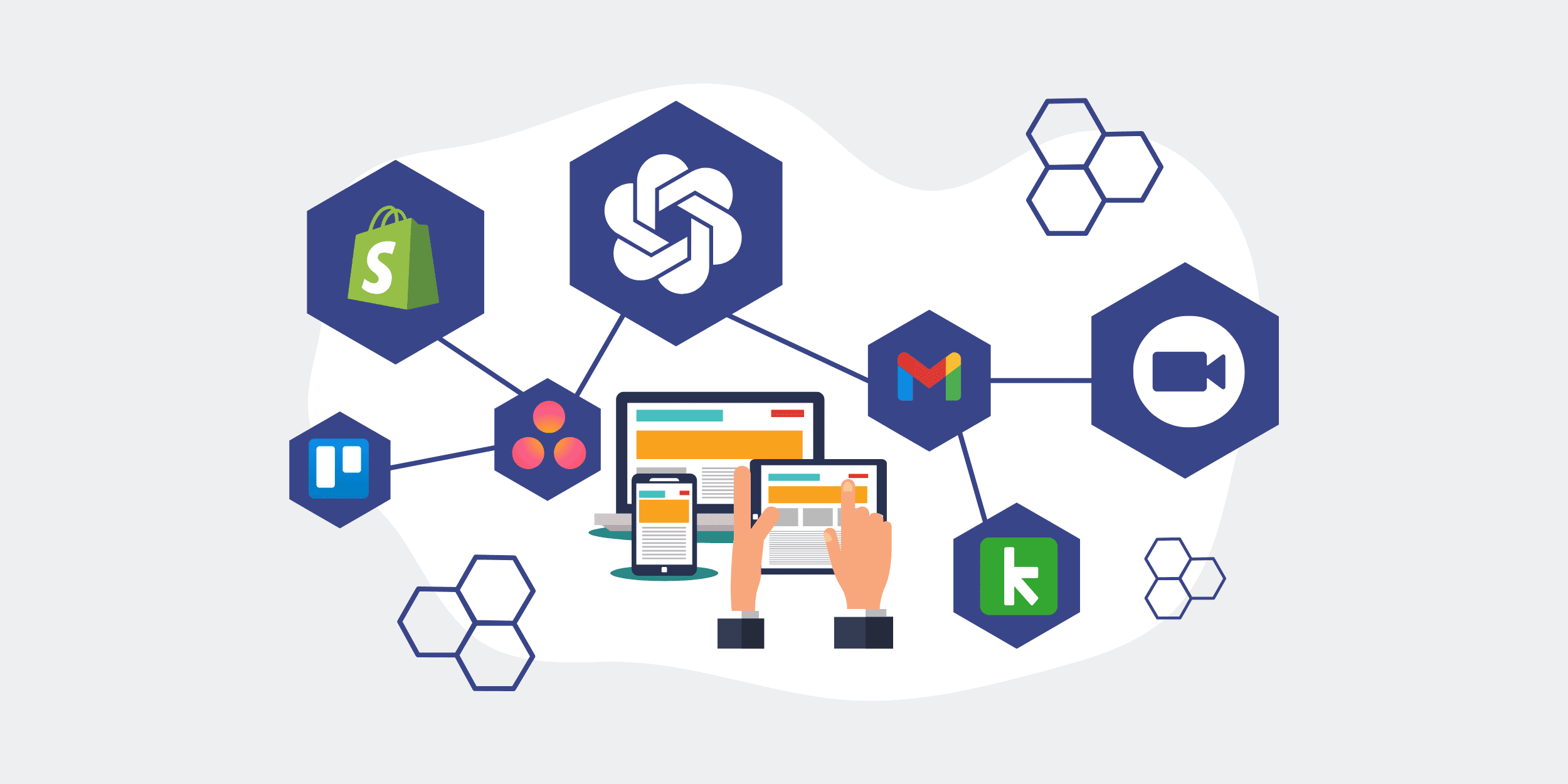
The ability to connect Keap timeline events with external applications and services is where the true transformation occurs. This strategic integration allows businesses to construct workflows that are not only efficient but also highly responsive and error-free. Instead of manual data entry, copy-pasting, or relying on human memory for follow-ups, the system itself becomes proactive. This doesn’t just save time; it elevates the quality of customer and candidate experiences, ensuring that no lead is dropped, no follow-up is missed, and every action is executed with precision.
Real-World Impact: What Dynamic Actions Look Like
Imagine a client’s project manager updating a “Project Completed” custom field in Keap. This single timeline event could automatically trigger an invoice generation in your accounting software, initiate a client satisfaction survey, archive the project in your internal database, and even update a Slack channel with a project completion announcement. For recruiting, a “Contract Signed” event might trigger onboarding sequences in HRIS, update payroll systems, send welcome emails, and provision access to internal tools. These are not theoretical scenarios; they are tangible outcomes we implement for our clients, saving them significant operational costs and freeing up high-value personnel.
This approach moves beyond simple task automation; it’s about creating a “single source of truth” where changes in one system (Keap) propagate intelligently across all interconnected platforms. It eliminates the data silos that plague many organizations, ensuring consistency and accuracy while dramatically reducing the potential for human error. The result is a seamless operational flow that transforms how your business manages its most critical processes, turning Keap’s timeline into an engine for efficiency rather than just a historical record.
4Spot Consulting’s Strategic Approach to Keap Automation
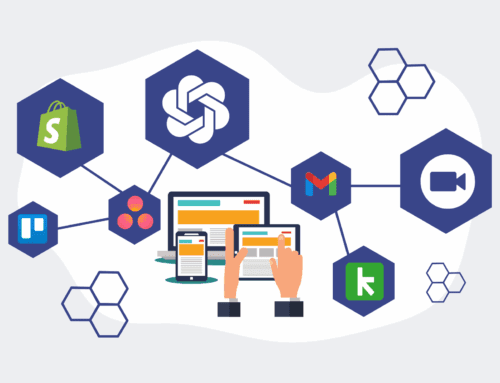
At 4Spot Consulting, our expertise lies in transforming these possibilities into realities. We don’t just implement technology; we strategize. Our OpsMap™ diagnostic uncovers precisely where Keap timeline events can be leveraged to eliminate manual bottlenecks and create dynamic, outcome-driven workflows. Through our OpsBuild™ service, we then architect and implement these sophisticated automation solutions, often using tools like Make.com to connect Keap with dozens of other SaaS applications, ensuring your operations are not just automated but optimized for scalability and growth.
We’ve helped B2B companies generating $5M+ ARR streamline their HR, recruiting, and operational processes, saving them upwards of 25% of their day. This focus on Keap timeline automation is a cornerstone of our strategy, allowing our clients to transform how they manage customer journeys, internal processes, and data integrity. By turning every significant event into a trigger for purposeful action, we help businesses achieve unprecedented levels of efficiency and responsiveness.
Protecting Your Keap Data: A Foundation for Automation
Reliable automation built on Keap timeline events hinges on one critical factor: data integrity. If your Keap data isn’t accurate, complete, and protected, any automation built upon it will be flawed. This is why securing your CRM data, including the entire activity timeline, is not merely a best practice—it’s foundational. Robust CRM backup strategies ensure that your automation engine always has a stable, trustworthy source of truth to draw from. Without this safeguard, even the most sophisticated workflows are vulnerable to data loss or corruption, undermining the very efficiency they aim to create.
The journey from data points to dynamic actions begins with understanding that your Keap timeline is more than just a history log. It’s a powerful, untapped resource that, when paired with strategic automation, can revolutionize your business operations. By intelligently triggering actions based on these events, you can reclaim countless hours, reduce errors, and ensure that every interaction propels your business closer to its goals. It’s about building a smarter, more resilient operational framework that scales with you.
If you would like to read more, we recommend this article: The Unbroken Keap HR & Recruiting Activity Timeline: Protection & Recovery with CRM-Backup