How to Develop a Strategic Automation Roadmap for Your Business: A Step-by-Step Guide
In today’s fast-paced business environment, manual processes are no longer just inefficient—they’re a liability. They drain valuable time, introduce human error, and severely limit scalability. For high-growth B2B companies, a strategic automation roadmap isn’t just an advantage; it’s essential for freeing up your team to focus on high-value tasks, reducing operational costs, and driving significant growth. This guide outlines a clear, actionable path to designing an automation strategy that truly transforms your operations.
Step 1: Identify Bottlenecks and Manual Processes
The first critical step in developing your automation roadmap is to pinpoint exactly where your business is bleeding time and resources. This requires a thorough audit of your current operational workflows. Engage with department heads and team members to identify repetitive, rule-based tasks that consume significant manual effort across HR, recruiting, sales, and operations. Look for areas prone to human error, data entry duplications, or processes that frequently cause delays. Documenting these bottlenecks, perhaps using a framework like our OpsMap, will provide a clear picture of the low-value work currently occupying your high-value employees. Understanding these pain points is the foundation upon which effective automation solutions are built.
Step 2: Define Clear Automation Objectives and KPIs
Once bottlenecks are identified, it’s crucial to establish what success looks like for your automation initiatives. Vague goals lead to vague results. Clearly define your automation objectives: Are you aiming to reduce processing time by X%, eliminate Y% of human errors, or increase data accuracy by Z%? Link these objectives directly to measurable Key Performance Indicators (KPIs) that align with your overarching business goals, such as cost savings, increased revenue potential, or enhanced employee satisfaction. For instance, if you’re automating resume parsing, a KPI might be “reduce manual review time by 150 hours per month,” a direct reflection of efficiency gains. These defined targets will guide your strategy and allow for tangible ROI measurement.
Step 3: Evaluate Current Systems and Technology Stack
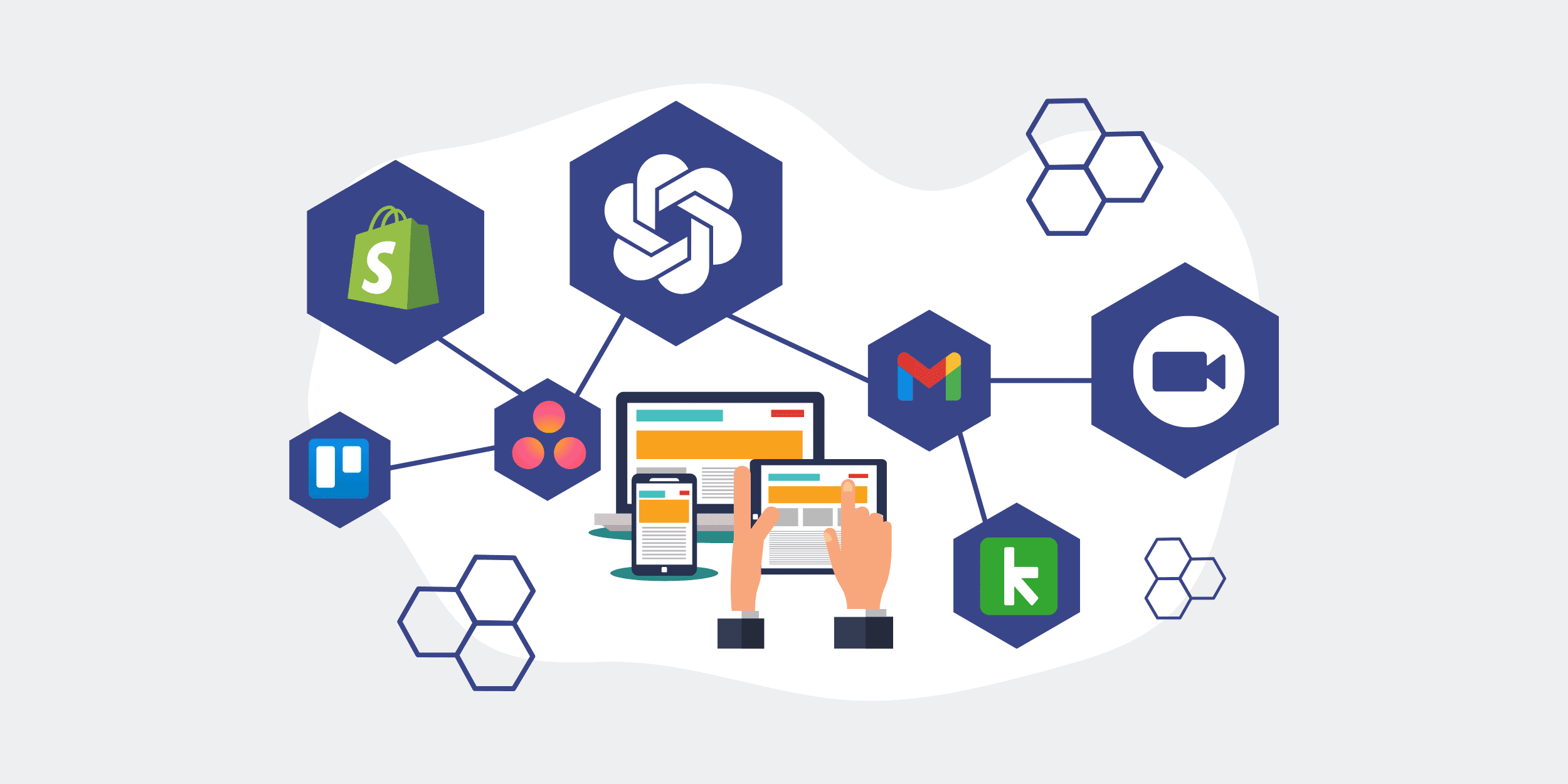
Before introducing new tools, it’s imperative to thoroughly assess your existing technology stack. Many businesses already possess powerful platforms like Keap for CRM, various HRIS systems, or project management tools that are underutilized in terms of integration capabilities. Identify which systems hold critical data, what their API capabilities are, and where data silos currently exist. Understanding the landscape of your current software (and its limitations) is fundamental for planning seamless integrations. This evaluation will help determine whether existing tools can be connected via platforms like Make.com to create a “single source of truth” for your data, avoiding redundant systems and optimizing your current investments.
Step 4: Prioritize Automation Opportunities by Impact
Not all automation opportunities are created equal in terms of their potential return on investment. With your list of identified bottlenecks and evaluated systems, it’s time to prioritize. Focus on opportunities that offer the highest impact with the most manageable implementation complexity. Consider factors such as the frequency of the task, the volume of data involved, the cost of manual execution, and its strategic importance to your business. Prioritize automations that directly contribute to revenue growth, significant cost reduction, or substantial improvements in employee productivity and customer experience. This strategic prioritization ensures that your automation efforts deliver maximum value and tangible results early on, building momentum and proving ROI.
Step 5: Design Your Automation Workflow Prototypes
With a prioritized list, the next step involves designing the “to-be” automated workflows. This is where you visualize how data will flow between systems, what triggers will initiate actions, and what outcomes are expected. For each prioritized process, map out a clear, step-by-step prototype of the automated workflow. Consider the logic, conditional pathways, and potential exception handling. Tools like Make.com allow for robust, low-code integration, enabling the creation of intricate connections between dozens of SaaS systems. This prototyping phase is crucial for identifying potential roadblocks and refining the automation logic before full-scale development, ensuring the solution is robust, efficient, and aligns with your defined objectives.
Step 6: Plan Phased Implementation and Testing
Implementing an automation roadmap should be approached strategically, often through phased deployment rather than an all-at-once rollout. Begin with pilot programs for selected, high-impact automations. This allows for rigorous testing in a controlled environment, gathering critical feedback, and making necessary adjustments before broader deployment. Develop a comprehensive testing plan that includes various scenarios, edge cases, and user acceptance testing (UAT) with the teams who will be most affected. A phased approach minimizes disruption, reduces risk, and ensures that each automated process is stable, reliable, and performing as expected, gradually building confidence and momentum across the organization.
Step 7: Establish Monitoring and Continuous Improvement
Automation is not a set-it-and-forget-it endeavor. Once your automated workflows are live, establishing robust monitoring mechanisms is essential to ensure they continue to operate efficiently and effectively. Track your defined KPIs regularly to measure the actual impact and ROI of your automations. Collect feedback from users to identify any pain points or opportunities for further refinement. The business landscape and your technology stack will evolve, so your automation roadmap should be a living document, subject to continuous review and optimization. This commitment to ongoing ‘OpsCare’ ensures that your automation infrastructure remains aligned with your business objectives, delivering sustained value over time.
If you would like to read more, we recommend this article: Mastering Business Automation for Scalable Growth