Beyond the Inbox: Automating Executive Communication for Peak Performance
In today’s fast-paced business world, executive time is perhaps the most valuable commodity. Leaders are constantly barraged by emails, reports, meeting requests, and internal communications, often leaving little room for the strategic thinking that drives true innovation and growth. Many executives find themselves bogged down in the minutiae of information flow, manually sifting, synthesizing, and responding when their expertise should be leveraged for higher-level decision-making. This isn’t merely an inconvenience; it’s a significant drain on productivity, a bottleneck to critical initiatives, and a direct impact on a company’s ability to scale effectively. The promise of technology often clashes with the reality of fragmented systems and manual processes that still dominate executive workflows.
The core problem isn’t a lack of information, but rather the inefficiency of how it’s managed and communicated. Think about the cascade of approvals, data points, and status updates that must flow accurately and consistently to a C-suite. Without robust systems, these processes are prone to human error, delays, and a constant need for follow-ups, all of which chip away at executive focus. This is where the strategic application of automation and AI becomes not just an advantage, but a necessity. By transforming how information is collected, processed, and disseminated, businesses can free their leaders to concentrate on what they do best: leading their organizations forward.
The Hidden Costs of Manual Executive Workflows
Many organizations accept manual executive communication and information management as “just the way things are.” However, the costs are substantial and often unseen. Beyond the obvious time expenditures, there’s the risk of information silos, missed deadlines due to overlooked emails, and strategic misalignments stemming from inconsistent data. Consider the time spent drafting repetitive communications, compiling weekly reports from disparate sources, or chasing down updates from various departments. Each of these tasks, while seemingly minor in isolation, aggregates into hundreds of hours annually – hours that could be dedicated to market analysis, talent development, or investor relations. This creates a ceiling on scalability, as growth only exacerbates these inefficiencies, placing an even greater burden on already stretched executive teams.
Furthermore, the reliance on manual processes introduces a higher propensity for error. A single misplaced figure in a report, an overlooked detail in an email chain, or a delayed response can have significant repercussions, from regulatory non-compliance to lost revenue opportunities. The cognitive load on executives attempting to manage this deluge manually is immense, contributing to burnout and reducing their capacity for truly innovative thought. For high-growth B2B companies, particularly those with revenues exceeding $5M ARR, these inefficiencies translate directly into squandered competitive advantage and a slower pace of expansion. The challenge is not simply to work harder, but to work smarter, by embedding intelligence and automation into the very fabric of executive operations.
Transforming Executive Operations with Strategic Automation
At 4Spot Consulting, we approach this challenge not with more technology for its own sake, but with a strategic framework designed to unlock tangible ROI. Our OpsMesh™ strategy provides the overarching structure for integrating automation and AI into executive workflows, ensuring every solution is tied to clear business outcomes. We begin with an OpsMap™ diagnostic – a deep dive into current communication channels, reporting structures, and decision-making processes to identify the precise points of friction and the highest-impact automation opportunities. This isn’t about simply installing software; it’s about re-engineering the flow of information to serve leadership more effectively.
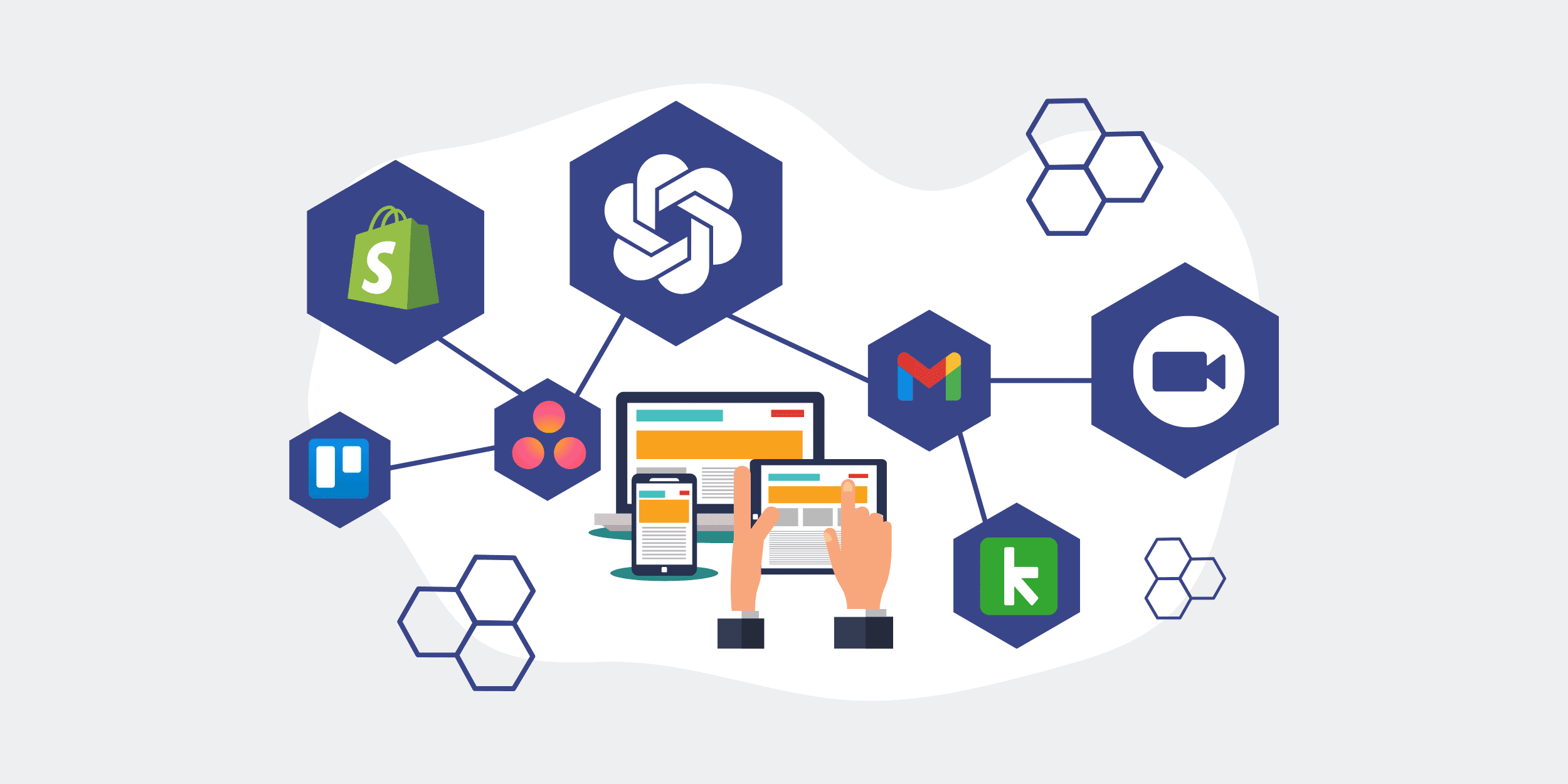
Imagine a system where critical business intelligence is automatically aggregated from various departments, analyzed by AI for key trends and anomalies, and then summarized into concise, actionable dashboards tailored to each executive’s needs. We leverage powerful low-code platforms like Make.com to connect disparate systems – from CRM (Keap, HighLevel) to project management tools, document platforms (PandaDoc), and even advanced communication hubs like Unipile. This eliminates manual data entry, reduces reporting cycles from days to minutes, and ensures a single source of truth for all strategic information. Executives receive what they need, when they need it, in a format that facilitates rapid, informed decision-making, without the noise.
Real-World Impact: Streamlining Executive Insights
Consider the common scenario of a CEO needing weekly performance summaries from sales, marketing, and operations. Traditionally, this involves multiple team members compiling reports, often in different formats, which then need to be consolidated and summarized by an executive assistant or even the CEO themselves. Through an OpsBuild™ initiative, we can automate this entire process. Data from Keap CRM, for instance, can be automatically extracted, combined with marketing analytics from other platforms, and then processed by an AI agent to highlight key metrics, identify emerging patterns, and even draft initial executive summaries. This AI-enriched report can then be automatically distributed through secure channels, freeing up valuable human capital for analysis and strategic planning rather than data collation.
This approach isn’t theoretical; it’s what we deliver. We’ve seen how streamlining information flow can lead to significant time savings for executives, allowing them to redirect their focus to growth initiatives that truly move the needle. Our clients, much like the HR tech firm we assisted in saving over 150 hours per month through resume automation, experience a profound shift from reactive firefighting to proactive, strategic leadership. The OpsCare™ phase ensures these systems are continuously optimized, evolving with the business to maintain peak efficiency and adapt to new challenges. This sustained support guarantees that the investment in automation continues to deliver compounding returns, transforming executive communication from a burden into a powerful strategic asset.
If your executive team is spending more time managing information than acting on it, it’s time to explore a more intelligent approach. The future of executive leadership lies in empowering leaders with automated systems that distill complexity into clarity, saving valuable time and driving unprecedented efficiency. The opportunity to reclaim 25% of your day for strategic endeavors is within reach.
If you would like to read more, we recommend this article: Beyond the Inbox: Automating Executive Communication for Peak Performance