Integrating Audit Logs Across Diverse Systems and Applications: A Strategic Imperative
In today’s complex digital landscape, businesses operate not on a single, monolithic system, but rather a tapestry of interconnected applications, platforms, and cloud services. From CRMs and HRIS systems to financial tools and operational databases, each plays a vital role. While each system generates its own logs – a granular record of who did what, when, and where – the real challenge emerges when trying to gain a holistic view across this diverse ecosystem. This isn’t merely a technical hurdle; it’s a fundamental business problem impacting compliance, security, and operational efficiency, often costing high-value employees significant time in manual reconciliation.
The Operational Blind Spot: Why Disparate Audit Logs are a Problem
Imagine a scenario where an unauthorized data access is suspected, or a critical data change has occurred within a CRM, but its origin isn’t immediately clear. The HR team uses one system, sales another, and finance yet another. Each has its own logging format, retention policy, and access control. Pinpointing the exact sequence of events or the responsible party becomes a forensic expedition, consuming valuable time and resources. This operational blind spot can lead to significant risks:
Compliance Failures and Regulatory Headaches
Regulations like GDPR, HIPAA, and SOC 2 demand comprehensive audit trails. When data flows across multiple systems, ensuring an unbroken chain of custody and demonstrating compliance becomes extraordinarily difficult. Auditors often require a unified view, and without it, businesses face potential fines, reputational damage, and loss of trust.
Security Vulnerabilities and Delayed Incident Response
Security breaches rarely occur in isolation within a single application. Attackers often pivot between systems, exploiting weaknesses across the integration points. Fragmented audit logs make detecting these lateral movements incredibly challenging, slowing down incident response and increasing the potential damage. A centralized, correlated view is crucial for rapid threat detection and effective mitigation.
Inefficient Troubleshooting and Data Integrity Concerns
Beyond security, operational issues like data synchronization errors or unexpected system behavior often require a review of audit logs. When these logs are scattered and unstandardized, diagnosing the root cause becomes a tedious, time-consuming process. This directly impacts employee productivity, as high-value team members are diverted to perform detective work instead of strategic tasks. Moreover, inconsistent logging practices can mask data integrity issues, leading to poor decision-making.
Charting a Course for Integrated Audit Logs
The solution isn’t to rip out existing systems, but to strategically integrate their audit capabilities. This requires a well-planned approach, focusing on standardization, centralization, and intelligent analysis.
Standardization and Normalization: Speaking a Common Language
The first step towards integration is to define a common language for your audit logs. This means identifying key data points across all systems – user ID, action performed, timestamp, affected data, IP address – and mapping them to a standardized format. While direct modification of SaaS application logs might not always be possible, a layer of normalization can be introduced during the ingestion process. This ensures that regardless of the source, your audit records can be compared and correlated effectively.
Centralized Log Management: A Single Source of Truth
Once standardized, all audit logs should flow into a centralized log management platform. This could be a dedicated Security Information and Event Management (SIEM) system, a robust data warehouse, or a specialized logging service. The goal is to create a single, searchable repository that provides an enterprise-wide view of all activities. This centralization significantly reduces the time and effort required for investigations, compliance checks, and security monitoring.
Intelligent Correlation and Alerting: Beyond Raw Data
Collecting logs is only half the battle. The true power lies in correlating events across different systems to identify patterns, anomalies, and potential threats that might be invisible when viewed in isolation. For example, a login attempt from an unusual location in the CRM, followed by a large data export from the HRIS, could trigger an alert that isolated logs would miss. Implementing AI-powered analytics and predefined correlation rules can transform raw log data into actionable intelligence, shifting from reactive forensics to proactive threat detection.
Automation for Efficiency: Streamlining the Process
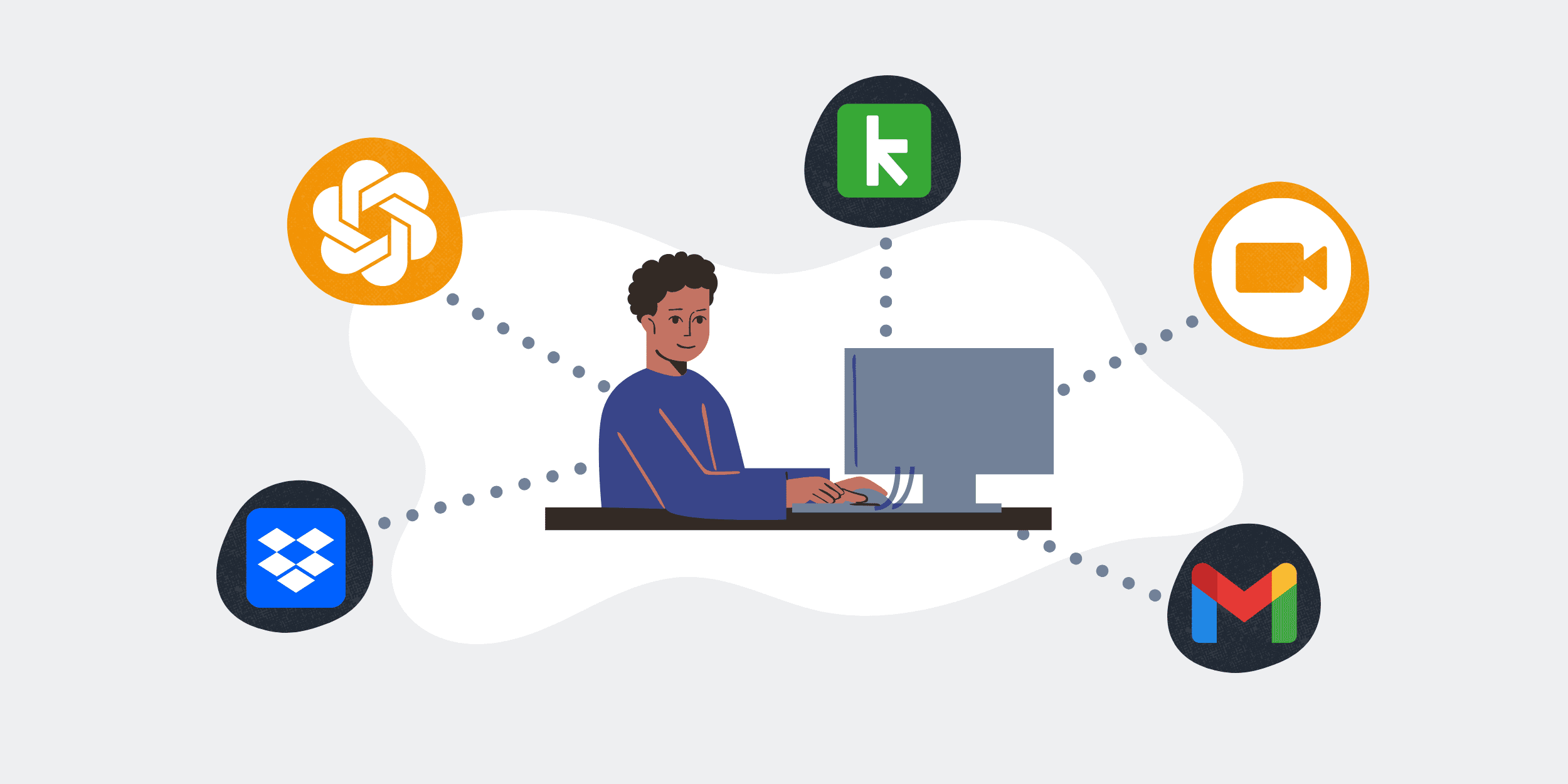
Integrating audit logs doesn’t have to be a manual burden. Automation tools, like those we leverage at 4Spot Consulting with platforms such as Make.com, can be instrumental in orchestrating the extraction, transformation, and loading (ETL) of log data from various sources into your centralized system. This not only ensures data consistency but also frees up valuable employee time, allowing your teams to focus on analysis and strategic response rather than tedious data wrangling.
The Path Forward for Granular Visibility
For organizations striving for robust security, unimpeachable compliance, and streamlined operations, integrating audit logs across diverse systems is no longer optional; it’s a strategic imperative. It’s about moving beyond fragmented data to a unified, intelligent view that empowers your business to identify risks faster, resolve issues more efficiently, and maintain the trust of your stakeholders. By embracing standardization, centralization, and intelligent automation, businesses can transform their audit capabilities from a necessary chore into a powerful asset.
If you would like to read more, we recommend this article: Mastering “Who Changed What”: Granular CRM Data Protection for HR & Recruiting