Beyond the Inbox: Automating Executive Communications for Strategic Impact
In the high-stakes world of business leadership, an executive’s most precious commodity isn’t capital, market share, or even talent—it’s time. Every moment spent on low-value, repetitive tasks chips away at the strategic capacity required to navigate complex markets, inspire teams, and drive innovation. One area often overlooked, yet ripe for optimization, is the intricate web of executive communications. This isn’t just about sending emails; it’s about the entire ecosystem of preparing, reviewing, distributing, and tracking critical information that defines an organization’s internal alignment and external presence.
For decades, executive communications have been a resource-intensive endeavor. From drafting quarterly reports to internal memos, investor updates, or even preparing for a critical board meeting, the process typically involves multiple layers of review, manual formatting, fragmented feedback loops, and countless iterations. The inefficiencies are not merely an inconvenience; they manifest as delays, increased operational costs, and, critically, a diversion of high-value executive attention from strategic initiatives to administrative minutiae. At 4Spot Consulting, we understand that these hidden inefficiencies can cumulatively cost an organization millions in lost productivity and missed opportunities.
The Hidden Drag: Manual Processes in Executive Communication
Consider the lifecycle of a single executive communication. A draft is prepared, often by a support team. It then circulates for review, sometimes via email attachments, sometimes in shared drives. Feedback arrives in various forms – tracked changes, comments, separate emails, or even verbal notes. Collating this feedback, reconciling conflicting suggestions, and ensuring brand voice consistency is a herculean task. The sheer volume of coordination required between multiple stakeholders—legal, marketing, HR, operations—can create bottlenecks that delay critical announcements or strategic pivots.
This manual drag extends beyond initial drafting and review. Think about scheduling mass communications, personalizing messages for different segments of an audience, or ensuring compliance with regulatory standards. Each of these steps, when handled manually, introduces opportunities for human error, takes significant time, and often requires senior staff to dedicate valuable hours to oversight rather than strategic thinking. It’s a systemic problem that stifles agility and scalability, especially for high-growth B2B companies looking to expand without expanding their payroll exponentially.
Unlocking Executive Capacity with Intelligent Automation
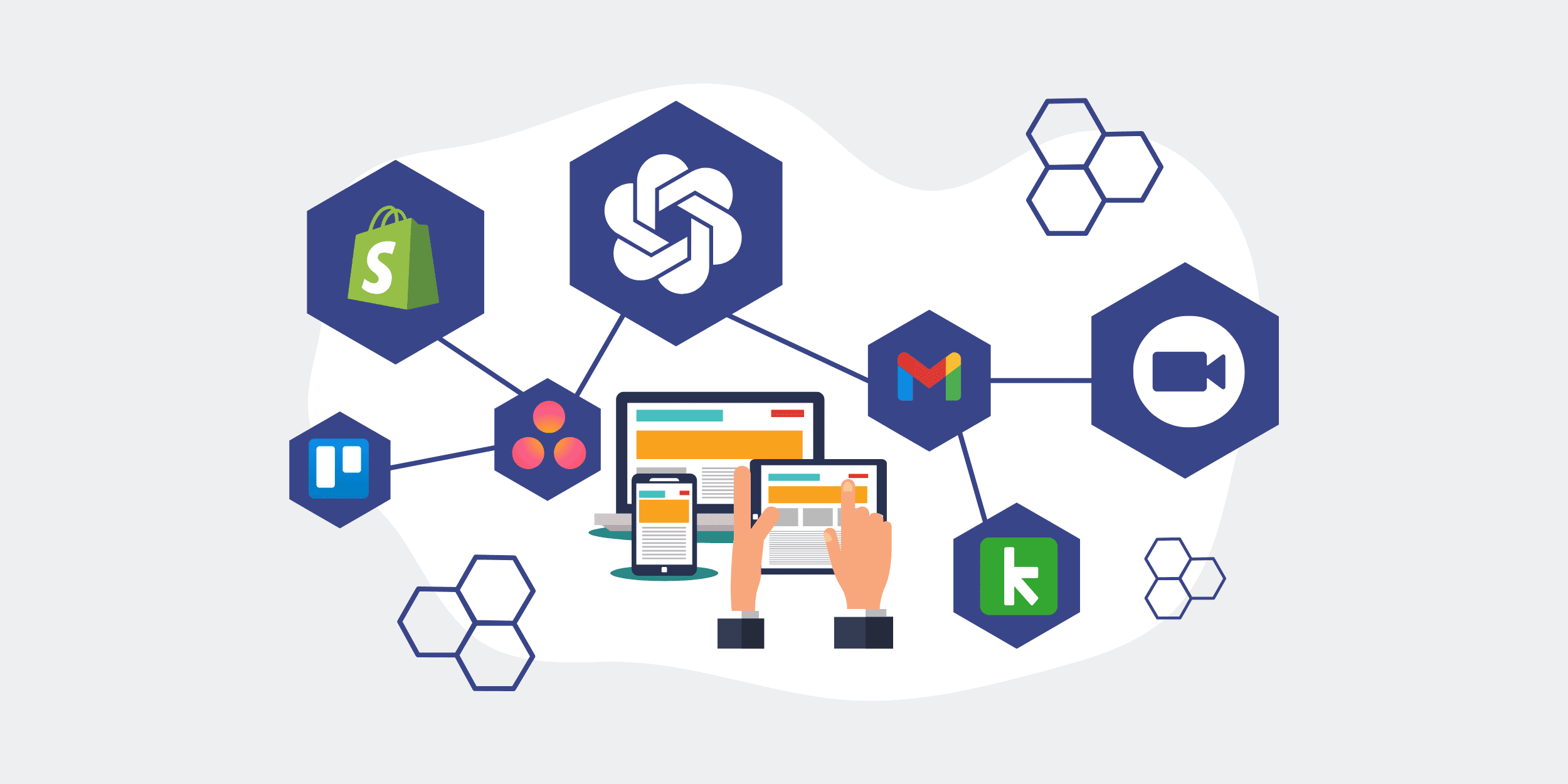
The solution lies not in working harder, but smarter, by leveraging intelligent automation and AI to streamline these complex communication workflows. We’re not talking about simply automating email blasts, but rather implementing a sophisticated system that orchestrates the entire communication pipeline from inception to distribution and analysis. Our OpsMesh framework, for instance, provides the strategic blueprint for integrating disparate systems and processes, ensuring a cohesive and efficient operational ecosystem.
Imagine a system where the initial draft of a quarterly report is automatically populated with data from your CRM, ERP, and financial systems. AI tools can then assist in refining the language for clarity, conciseness, and tone, ensuring it aligns with the desired executive voice. Review cycles can be automated with defined approval workflows, channeling feedback into a centralized platform where conflicting suggestions are highlighted and resolved efficiently. This significantly reduces the back-and-forth, cutting review times by a dramatic margin.
The 4Spot Approach: From Chaos to Controlled Communication
At 4Spot Consulting, we begin with an OpsMap™ diagnostic. This strategic audit is designed to uncover the specific inefficiencies plaguing your executive communication processes. We meticulously map out current workflows, identify bottlenecks, and quantify the hidden costs associated with manual efforts. This isn’t a theoretical exercise; it’s a deep dive into your operational reality to pinpoint opportunities for tangible ROI.
Following the OpsMap™, our OpsBuild phase comes into play. Here, we implement custom automation and AI solutions tailored to your unique needs. Using powerful tools like Make.com, we connect your existing systems—CRM, document management platforms, internal communication tools—to create a seamless flow of information. For example, we’ve helped clients automate the collection of stakeholder feedback, generating consolidated reports that distill hours of manual compilation into minutes. We’ve integrated AI to ensure consistent brand messaging across all external communications and automated scheduling and personalization for internal updates.
Realizing the Strategic Dividend
The impact of automating executive communications extends far beyond mere time savings. When executives and their teams are freed from the drudgery of administrative coordination, their capacity for strategic thinking and innovation expands dramatically. This allows them to focus on market analysis, competitive positioning, talent development, and other high-impact activities that directly contribute to top-line growth and long-term sustainability. It minimizes human error, ensures compliance, and provides a single source of truth for all critical communications.
One of our clients, an HR tech firm, faced significant delays in their internal and external communication due to manual data aggregation and review processes. By implementing an automated system that pulled data from their various platforms and routed it through a streamlined approval workflow, they reduced communication preparation time by over 150 hours per month. This allowed their leadership to focus on product development and client engagement, directly contributing to a surge in customer satisfaction and product adoption.
By transforming executive communication from a reactive, manual effort into a proactive, automated powerhouse, businesses can unlock significant strategic dividends. It’s about empowering leaders to lead, rather than administrate, driving a culture of efficiency and strategic focus that permeates the entire organization.
If you would like to read more, we recommend this article: The OpsMesh Revolution: Integrating AI and Automation for Unprecedented Business Growth