Unmasking the Hidden Costs: Why Manual HR Processes are Draining Your Business
In the relentless pursuit of growth, businesses often focus on sales, marketing, and product innovation. Yet, a silent, insidious drain on resources often goes unnoticed, lurking within the very core of internal operations: manual HR processes. For B2B companies generating over $5 million in annual recurring revenue, these inefficiencies aren’t just minor inconveniences; they represent significant hidden costs, eating into profitability, hindering scalability, and diverting high-value employees from strategic work. At 4Spot Consulting, we’ve seen firsthand how these bottlenecks can stifle potential, and more importantly, how intelligent automation and AI can transform them into opportunities for efficiency and growth.
The modern HR landscape is complex, laden with tasks that, while essential, are often repetitive and time-consuming. From resume parsing and candidate screening to onboarding documentation, payroll data entry, and benefits administration, each step traditionally relies on human intervention. While a human touch is invaluable in certain aspects of HR, the sheer volume of transactional work becomes an expensive liability.
The Silent Resource Drain of Repetitive HR Tasks
Consider the cumulative impact of manual data entry. Every time a new hire’s information is manually entered into multiple systems – the HRIS, payroll, benefits platforms, and internal directories – there’s a risk of error. Beyond the obvious financial cost of fixing mistakes, there’s the loss of productivity, potential compliance issues, and the erosion of employee trust. These aren’t isolated incidents; they are systemic problems that compound over time, making scalability a frustrating challenge.
Recruitment: Beyond the Resume Black Hole
Recruitment, a cornerstone of any growing business, is particularly susceptible to manual inefficiencies. Sifting through hundreds of resumes, scheduling interviews, sending follow-up emails, and managing candidate pipelines are all necessary but often tedious tasks. Without automation, recruiters spend an inordinate amount of time on administrative burdens rather than engaging with top talent. This slows down the hiring process, leading to lost candidates and increased time-to-hire, directly impacting a company’s ability to innovate and expand.
Onboarding: First Impressions and Lasting Inefficiencies
The onboarding experience sets the tone for a new employee’s journey. Manual processes here can lead to a disjointed, frustrating start. Missing paperwork, delayed access to systems, or incomplete training schedules not only diminish the new hire’s initial enthusiasm but also reflect poorly on the organization. Automating these steps ensures a seamless, consistent, and positive experience, allowing new team members to become productive faster while freeing up HR staff for more strategic, human-centric tasks like culture integration and performance development.
Transforming HR Operations with Automation and AI
The solution isn’t to eliminate human involvement but to intelligently redefine it. At 4Spot Consulting, we leverage frameworks like OpsMesh to connect disparate systems and introduce AI where it offers the greatest leverage. Our approach is not about “tech for tech’s sake”; it’s about identifying specific bottlenecks and implementing solutions that deliver tangible ROI, saving you up to 25% of your day.
Strategic-First Automation with OpsMap™
Our journey with clients always begins with an OpsMap™ – a strategic audit designed to uncover inefficiencies, surface automation opportunities, and roadmap profitable automations. This isn’t a superficial review; it’s a deep dive into your current processes, understanding where manual effort is concentrated and where automation can have the most significant impact on cost reduction and scalability. For HR, this often means identifying repetitive tasks in candidate management, employee data updates, or compliance reporting that can be streamlined.
Building Intelligent Workflows with OpsBuild
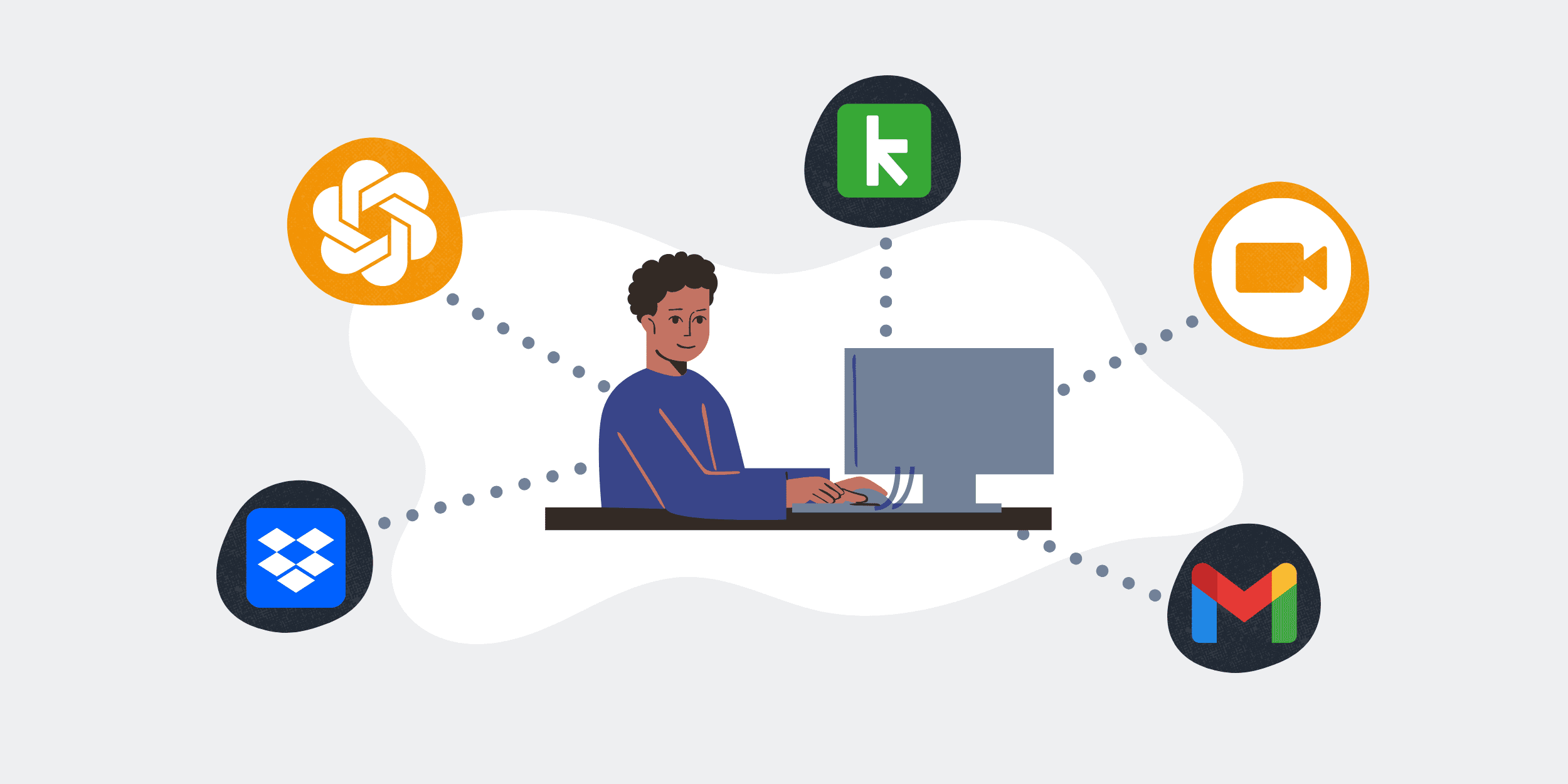
Once opportunities are identified, our OpsBuild phase brings these solutions to life. We specialize in connecting dozens of SaaS systems using powerful platforms like Make.com, integrating them with AI tools where appropriate. For an HR firm, we might automate resume intake and parsing using AI enrichment, then seamlessly sync that data to your Keap CRM. This not only eliminates manual data entry but also provides a “single source of truth” for all employee and candidate data, reducing errors and improving data integrity.
We once partnered with an HR tech client facing exactly these challenges. They were drowning in manual resume processing, consuming hundreds of hours per month. By implementing a custom automation solution via Make.com and AI, we were able to fully automate their resume intake, parsing, and CRM syncing. The result? They saved over 150 hours per month – a profound impact that allowed their team to focus on engaging with candidates and clients, not on administrative drudgery. As their leader put it, “We went from drowning in manual work to having a system that just works.”
Reclaiming Productivity and Driving Strategic Value
By automating low-value, repetitive HR tasks, you empower your high-value employees to focus on what truly matters: human connection, strategic planning, and fostering a thriving company culture. This shift not only saves significant operational costs but also enhances employee satisfaction, improves compliance, and builds a more resilient, scalable business. The hidden costs of manual HR processes are real, but so are the profound benefits of intelligent automation. It’s time to stop leaving money and potential on the table.
If you would like to read more, we recommend this article: Driving Sustainable Growth Through Strategic Business Automation