Beyond the Spreadsheet: How Advanced Automation is Redefining Data Management for B2B Leaders
For decades, the humble spreadsheet has been the workhorse of business operations. From tracking sales leads to managing project budgets, it’s been the default solution for countless data management challenges. Yet, in today’s rapidly evolving B2B landscape, relying solely on manual spreadsheet processes is not just inefficient; it’s a significant bottleneck to growth and scalability. Business leaders, particularly those grappling with HR, recruiting, or complex operational data, know this pain intimately. The quest for a “single source of truth” often feels like chasing a mirage across a desert of disparate files and unintegrated systems.
The core problem isn’t the spreadsheet itself, but the manual processes that typically surround it. Data is entered, often duplicated, and rarely flows seamlessly between departments or essential software platforms. This leads to human error, outdated information, and an enormous drain on the time of high-value employees who should be focused on strategic initiatives, not data entry or reconciliation. Think about the recruitment director spending hours manually compiling candidate data from various sources, or the COO struggling to get a unified view of operational metrics because data lives in five different places.
The Hidden Costs of Fragmented Data Management
The impact of relying on outdated data management strategies extends far beyond mere inconvenience. Financial implications are substantial. Manual processes introduce errors that can lead to costly rework, missed opportunities, and compliance risks. Furthermore, the inability to quickly access accurate, consolidated data hinders strategic decision-making. When you can’t trust your data, every significant choice becomes a gamble, and agility, a critical component of modern business success, is severely compromised.
Scalability also suffers. As a B2B company grows, the volume and complexity of data multiply. What might have been manageable with a small team and a handful of spreadsheets becomes an insurmountable challenge, leading to operational friction. New hires spend precious onboarding time learning convoluted manual systems, and existing staff are burnt out by repetitive, low-value tasks. This directly impacts employee satisfaction and retention, creating a vicious cycle where operational inefficiencies exacerbate HR challenges.
Building a Single Source of Truth with Strategic Automation
At 4Spot Consulting, we approach these challenges with a clear vision: to transform chaotic data environments into streamlined, intelligent ecosystems. Our OpsMesh framework isn’t about merely automating a task; it’s about creating an interconnected web of systems that ensure data integrity and flow. The journey begins with an OpsMap, a strategic audit designed to pinpoint exactly where data silos exist, where manual effort is wasted, and where automation can deliver the most significant ROI.
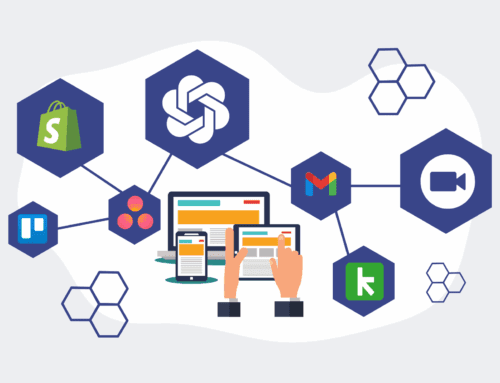
Consider the scenario of an HR firm we worked with, buried under a mountain of resumes and candidate data spread across emails, shared drives, and a basic CRM. Their process was a bottleneck, limiting their ability to respond quickly to client needs. Through our OpsBuild process, we designed and implemented an automation solution using Make.com, integrating their email, storage, and CRM (Keap in this instance). Now, resumes are automatically parsed, enriched with AI-powered insights, and synced directly to their CRM, creating a true single source of truth for candidate data. This didn’t just save them 150+ hours a month; it transformed their hiring efficiency and candidate experience.
This is the essence of moving “beyond the spreadsheet.” It’s about leveraging tools like Make.com, AI, and robust CRM systems (like Keap or HighLevel) to create an automated infrastructure where data is captured once, validated, and then flows seamlessly to every system and stakeholder who needs it. This eliminates manual data entry, drastically reduces errors, and provides real-time insights that empower confident decision-making.
The Future of Data Management is Automated and Intelligent
The transition to a fully automated data management system isn’t just about adopting new technology; it’s a strategic shift in how a business operates. It frees up your most valuable assets—your people—to focus on high-impact, creative, and strategic work that truly drives revenue and innovation. When your data is reliable, accessible, and integrated, you gain unparalleled clarity into your operations, customer journeys, and market opportunities.
This strategic approach to automation, whether it’s consolidating CRM data, automating document workflows with PandaDoc, or establishing a robust single source of truth for all business intelligence, ensures that every piece of information contributes to your overarching business goals. It’s about making your data work for you, not the other way around.
Ready to uncover automation opportunities that could save you 25% of your day and transform your data management? Book your OpsMap™ call today.
If you would like to read more, we recommend this article: The Future is Automated: Why Your Business Can’t Afford to Wait