Beyond the Spreadsheet: Automating Data Synchronization for a Single Source of Truth
In the rapid current of modern business, data is both the lifeblood and, often, the biggest bottleneck. Organizations collect vast amounts of information daily – from CRM entries and HR records to project management updates and financial transactions. The promise of this data is clarity and informed decision-making, but the reality for many is a chaotic landscape of disparate spreadsheets, siloed systems, and conflicting reports. This fragmentation leads to a critical problem: the absence of a single source of truth, creating operational inefficiencies, errors, and a significant drain on high-value employee time.
Consider the typical scenario: HR has its system, sales relies on a CRM, marketing uses another platform, and operations manages projects in yet another. Each system holds a piece of the puzzle, but rarely do they speak to each other seamlessly. When a new client is onboarded, information might be manually entered into three different systems, often with subtle discrepancies. When an employee’s status changes, the update might cascade unevenly, leading to payroll errors, incorrect access permissions, or outdated contact information. These aren’t minor inconveniences; they are systemic vulnerabilities that undermine accuracy, compromise scalability, and chip away at profitability.
The Hidden Costs of Data Silos
The true cost of fragmented data goes far beyond mere inconvenience. It manifests in several critical areas:
- Increased Human Error: Manual data entry and reconciliation are prone to mistakes, which can have significant financial and compliance implications.
- Wasted Time and Resources: Employees spend countless hours searching for information, cross-referencing conflicting data, or manually transferring data between systems. This is low-value work for high-value talent.
- Delayed Decision-Making: Without real-time access to accurate, unified data, leaders operate with incomplete pictures, hindering agile responses to market changes or operational challenges.
- Compromised Customer Experience: Inconsistent data about customers across departments can lead to disjointed communication, repeated requests for information, and a perception of disorganization.
- Scalability Roadblocks: As a company grows, manual processes for data synchronization become unsustainable, turning growth into a liability rather than an asset.
These issues aren’t abstract; they are concrete problems that impact the bottom line, stifle innovation, and prevent businesses from reaching their full potential. For leaders focused on outcomes and efficiency, addressing this fragmentation is not just an IT project, but a strategic imperative.
Establishing Your Single Source of Truth Through Automation
The solution lies in a strategic, automated approach to data synchronization that establishes a single, reliable source of truth. This isn’t about buying another expensive piece of software; it’s about intelligently connecting your existing ecosystem of tools and platforms, ensuring data flows effortlessly and accurately where it’s needed, when it’s needed. At 4Spot Consulting, we approach this through our OpsMesh framework, systematically identifying and automating these critical data pathways.
From Chaos to Cohesion: The OpsBuild Approach
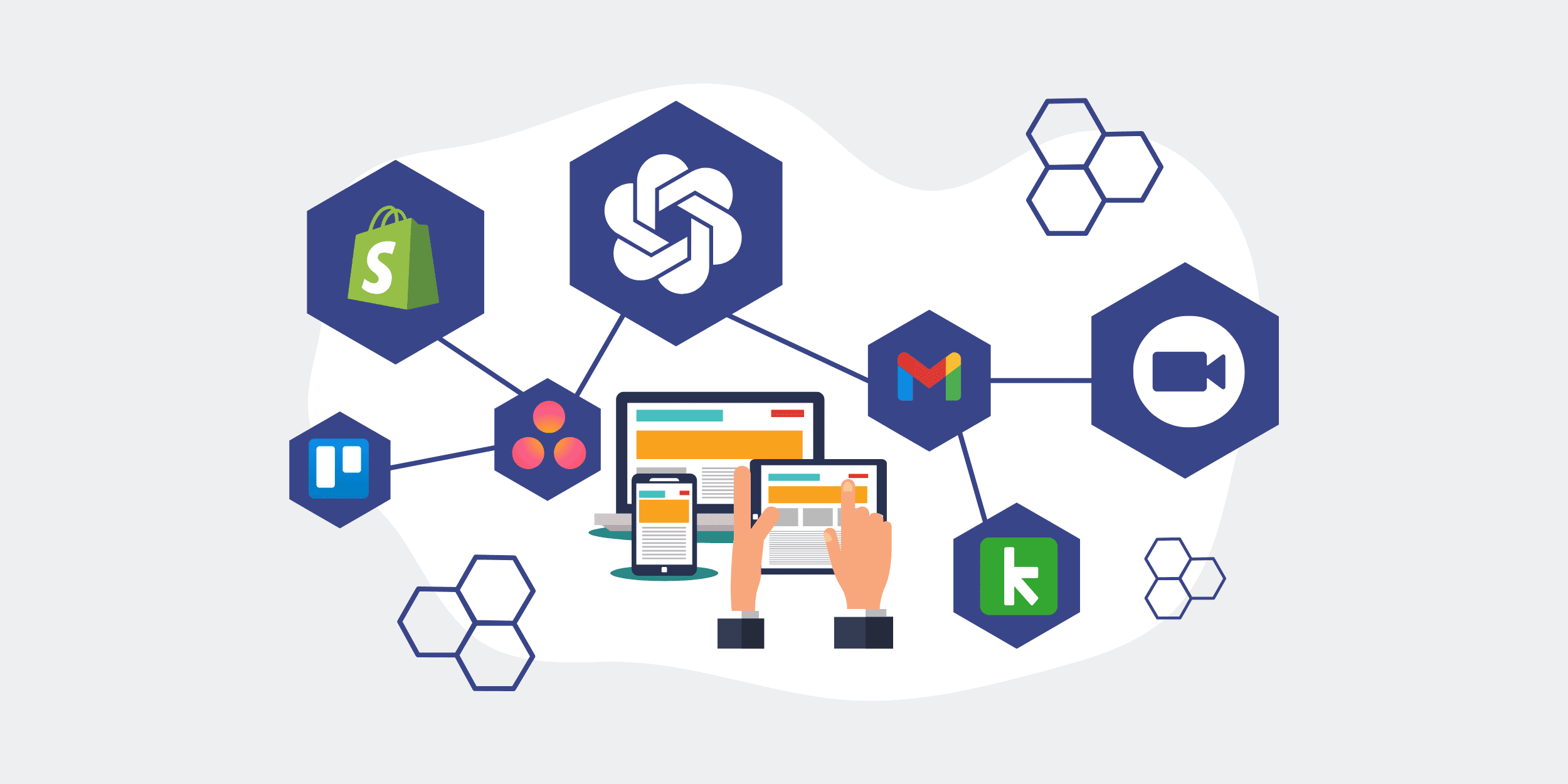
Our OpsBuild phase is where the magic happens. We leverage powerful low-code automation platforms like Make.com to create intricate yet robust integrations between your various systems. Imagine your CRM, HRIS, project management software, and even custom spreadsheets all communicating in real-time. When a new lead enters the CRM, an automation can instantly create a corresponding record in your marketing platform, assign follow-up tasks in your project management tool, and even pre-populate a client folder in your document management system. All without a single manual click.
This automated synchronization ensures that every department is working from the same playbook, with the same accurate, up-to-date information. It eliminates the need for redundant data entry, drastically reduces human error, and frees up your high-value employees to focus on strategic initiatives that truly move the needle for your business.
For example, in the HR and Recruiting space, we’ve helped clients automate resume intake and parsing, ensuring candidate data is immediately and accurately reflected in their CRM (like Keap) and applicant tracking systems. This not only saves hundreds of hours per month but also improves candidate experience and accelerates time-to-hire. In core operations, syncing data between sales, fulfillment, and accounting systems provides real-time visibility into project status and financial health, allowing for proactive adjustments rather than reactive damage control.
The Strategic Advantage of Data Harmony
Beyond simply fixing problems, establishing a single source of truth through automation provides a significant competitive advantage. Businesses gain:
- Unprecedented Visibility: A holistic view of operations, customer journeys, and employee data, enabling truly informed strategic planning.
- Enhanced Agility: The ability to adapt quickly to market demands, launch new products, or scale operations without being bogged down by data inconsistencies.
- Improved Compliance and Governance: Automated data flows reduce the risk of non-compliance by ensuring consistent application of data policies and greater auditability.
- Empowered Employees: By offloading repetitive data tasks, employees are liberated to engage in more creative, problem-solving, and value-adding activities.
The journey to a truly automated, data-harmonized operation begins with understanding your current state. Our OpsMap™ diagnostic is designed to uncover precisely where your data silos exist and identify the most impactful opportunities for automation. It’s a strategic audit that lays the groundwork for eliminating inefficiencies and building a scalable, error-free operational backbone.
If you’re tired of the inefficiencies and risks associated with fragmented data, it’s time to explore how intelligent automation can transform your business. We don’t just build systems; we architect solutions that save you 25% of your day, driving significant ROI and fostering sustainable growth.
If you would like to read more, we recommend this article: The Strategic Imperative of Workflow Automation: Unlocking Scalability and Profit