The Silent Cost of Disconnected Systems: Why Integration is Your AI Superpower
In the relentless pursuit of efficiency and growth, many businesses find themselves unwittingly trapped in a web of disconnected systems. You’ve invested in best-of-breed software for CRM, HR, marketing, and operations, each promising to streamline a specific function. Yet, the overall picture often resembles a patchwork quilt rather than a seamless tapestry. Data silos emerge, manual data entry becomes rampant, and the promise of a truly integrated operation remains just out of reach. This fragmentation isn’t merely inconvenient; it’s a silent drain on resources, productivity, and your competitive edge.
The real cost isn’t just the time spent copying and pasting; it’s the missed opportunities, the human errors that creep into critical data, and the inability to gain a holistic view of your business. More profoundly, it cripples your ability to harness the transformative power of Artificial Intelligence. AI thrives on data—clean, consistent, interconnected data. When your systems don’t talk to each other, your AI tools are starved, delivering fragmented insights and limited impact. This is where the strategic integration of your operational landscape becomes not just an advantage, but a necessity.
The Hidden Friction Points: Where Disconnects Hurt Most
Consider the typical journey of an employee, from recruitment to onboarding and beyond. In a disconnected environment, HR might use one system for applicant tracking, another for payroll, and a third for performance management. Recruiters manually move candidate data from an ATS to an HRIS, then re-enter information into a CRM for talent pool nurturing. Each handoff is an opportunity for delay, error, and frustration. This isn’t just inefficient; it’s a poor experience for new hires and a massive time sink for your high-value HR professionals. They’re spending precious hours on low-value data entry instead of strategic talent acquisition and development.
The same rings true for sales and marketing. Leads generated by your marketing automation platform might not seamlessly sync with your CRM. Sales teams waste time qualifying leads already engaged, or worse, leads fall through the cracks entirely because the data didn’t flow correctly. Your customer service agents might lack a complete view of a customer’s history because their support system isn’t integrated with sales or product usage data. These aren’t minor glitches; they are fundamental breakdowns in the customer journey and operational integrity, directly impacting revenue and reputation.
Integration as the Foundation for AI-Driven Excellence
To truly leverage AI, your data needs a single source of truth. Without robust integration, your AI initiatives will be built on quicksand. Imagine an AI designed to predict customer churn. If it only has access to support ticket data and not purchasing history or website interactions, its predictions will be incomplete and potentially misleading. Conversely, when your CRM, marketing automation, customer service platforms, and billing systems are all harmoniously integrated, your AI can access a rich, comprehensive dataset. This allows for truly predictive analytics, personalized customer experiences, and automated proactive interventions.
For HR and recruiting, an integrated system empowers AI to do more than just parse resumes. It can analyze candidate engagement across multiple touchpoints, predict cultural fit based on structured and unstructured data, and even automate personalized communication throughout the hiring process. We’ve seen firsthand how an HR firm, by automating their resume intake and parsing using Make.com and AI enrichment, then syncing to Keap CRM, saved over 150 hours per month. This wasn’t just about speed; it was about accuracy, scalability, and freeing up their team for strategic engagement. As one client put it, “We went from drowning in manual work to having a system that just works.”
The 4Spot Consulting Approach: OpsMesh to OpsBuild
This is precisely where 4Spot Consulting excels. Our OpsMesh framework isn’t just about connecting systems; it’s a strategic approach to creating a resilient, intelligent operational ecosystem. We start with an OpsMap™—a strategic audit that meticulously uncovers inefficiencies and identifies where your disconnected systems are costing you most. It’s about seeing the entire picture, not just the individual pieces.
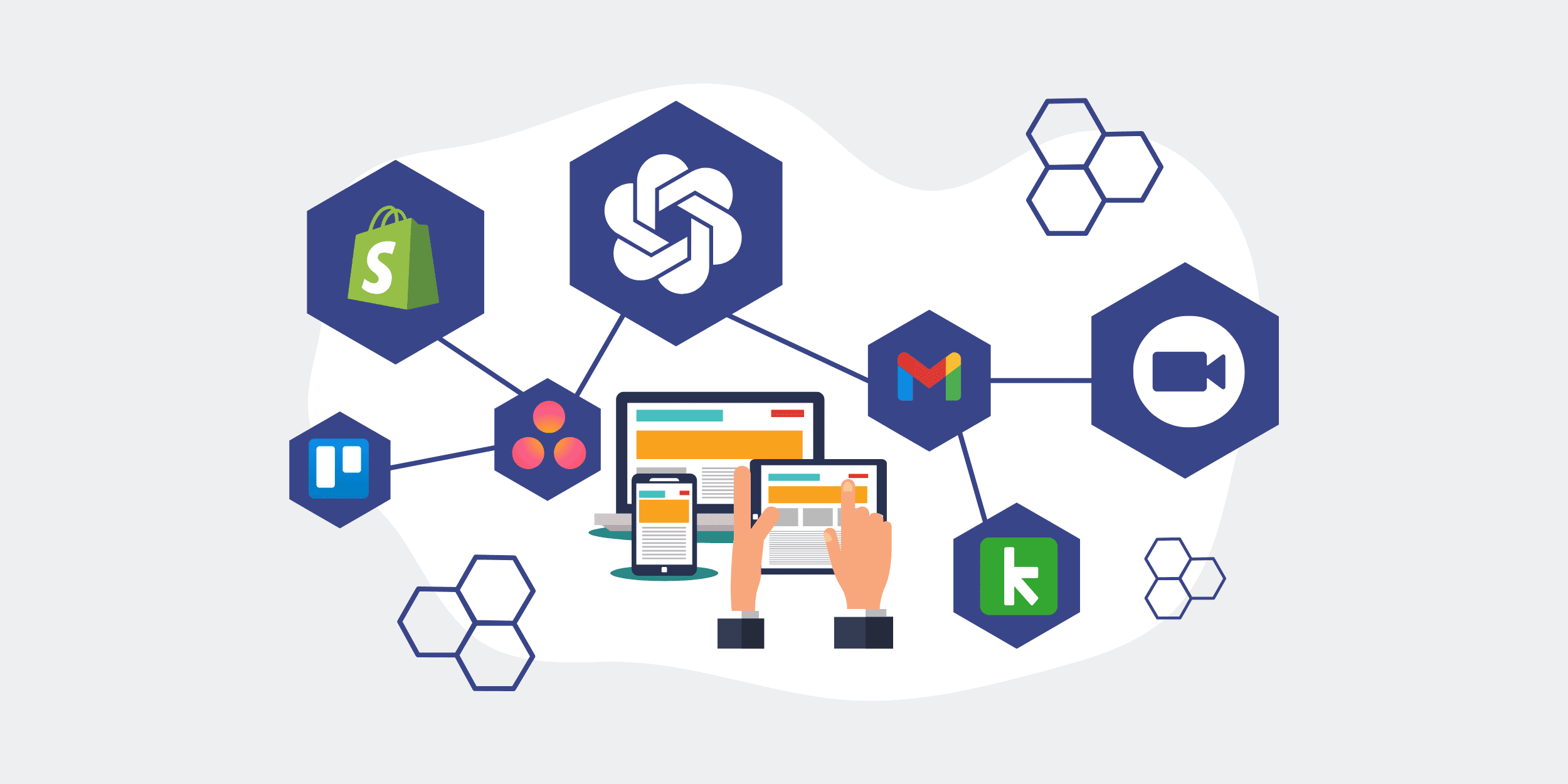
Once we understand your unique landscape and pain points, our OpsBuild™ phase kicks in. This is where we implement robust, custom automation and AI solutions, often leveraging powerful low-code platforms like Make.com to bridge the gaps between your disparate systems. We connect everything from your CRM (Keap, HighLevel) to your HR platforms, document management (PandaDoc), and communication tools (Unipile). This creates a seamless flow of data, eliminating manual tasks, reducing human error, and creating that single source of truth essential for effective AI.
The outcome? Not just efficiency, but increased scalability, reduced operational costs, and the ability for your high-value employees to focus on high-value work. We don’t just build; we build with purpose, ensuring every automation is tied to measurable ROI and clear business outcomes. This strategic-first approach ensures that your investment in technology translates directly into tangible results, transforming your operational friction points into pathways for growth and innovation.
If you’re ready to move beyond the silent costs of disconnected systems and unlock the full potential of AI for your business, the path begins with intelligent integration. It’s about saving you 25% of your day, not just theoretically, but tangibly, by creating an automated infrastructure that truly serves your strategic goals.
Ready to uncover automation opportunities that could save you 25% of your day? Book your OpsMap™ call today.
If you would like to read more, we recommend this article: The Future of Business Automation: Unlocking Efficiency and Growth with 4Spot Consulting