Post: Unify Your Client View: Eliminating Data Silos for Strategic Growth
Beyond the Backup: Eliminating Data Silos for a Unified Client View
In today’s fast-paced business landscape, customer relationship management (CRM) systems are the backbone of many successful operations. Companies invest heavily in platforms like Keap and HighLevel, recognizing their potential to streamline sales, marketing, and customer service. However, merely implementing a CRM and ensuring its data is backed up, while crucial, often doesn’t solve a deeper, more pervasive problem: data silos. Your CRM might be pristine, but if vital client interactions, project details, or support tickets live in disconnected systems, you’re operating with a fragmented view of your most valuable assets – your clients. This unseen threat quietly erodes efficiency, stunts growth, and undermines the very purpose of a unified client strategy.
The Silent Drain: How Disconnected Data Impedes Growth
Imagine a scenario where your sales team has the latest contact information, but the project management team is working off an outdated version of a client’s requirements, and customer support lacks visibility into recent purchase history or ongoing deliverables. This isn’t just an inconvenience; it’s a silent drain on resources and a direct impediment to growth. When client data is scattered across multiple applications – spreadsheets, legacy software, email inboxes, or even separate departmental CRMs – valuable employee time is wasted hunting for information, reconciling discrepancies, and manually transferring data. This low-value, high-effort work distracts high-value employees from strategic tasks, costing businesses significant operational expenditure and impacting their ability to scale efficiently.
Fragmented Journeys, Missed Opportunities
The immediate consequence of data silos is a disjointed client experience. A customer might have to repeat their issue to multiple representatives, or they might receive marketing communications that don’t align with their current service level or recent interactions. This inconsistency erodes trust and diminishes perceived value. Beyond client frustration, fragmented data directly translates into missed opportunities. Without a holistic view, sales teams might fail to identify cross-sell or upsell potential, marketing campaigns could target the wrong segments, and service teams might miss critical cues for proactive support. The revenue leakage from these missed opportunities can be substantial, hindering the very growth companies strive to achieve.
From Chaos to Clarity: Architecting a Single Source of Truth
Achieving a truly unified client view requires moving beyond basic data backup to a strategic approach to data consolidation and integration. It’s about designing an ecosystem where all relevant client data, regardless of its origin, flows seamlessly into a central repository – typically your CRM – establishing it as the definitive “single source of truth.” This isn’t just about synchronizing fields; it’s about integrating the entire lifecycle of client interaction, from initial lead capture and sales engagement to service delivery, support tickets, and billing. The goal is to eliminate manual data entry, reduce human error, and ensure that every team member, at every touchpoint, has immediate access to the most accurate and comprehensive client profile.
The Role of Intelligent Automation in Data Consolidation
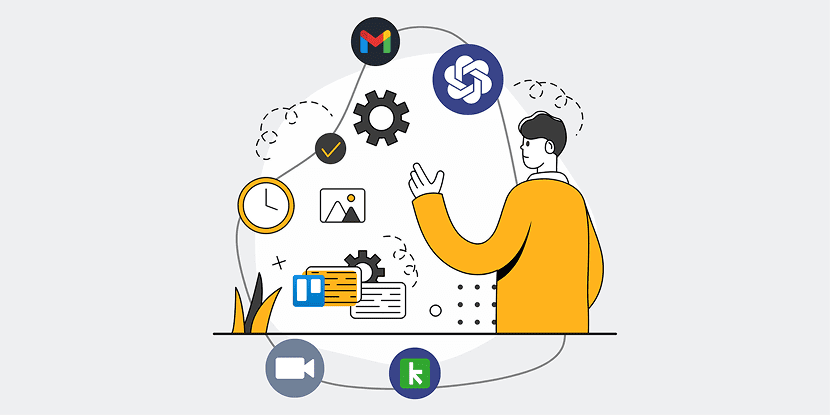
This level of integration and consolidation is only feasible through intelligent automation. Platforms like Make.com serve as the central nervous system, orchestrating data flows between dozens of disparate SaaS applications. When a new lead fills out a form, automation ensures that data is not only captured in the CRM but also used to trigger personalized marketing sequences, create project tasks, or update internal dashboards. If a client submits a support ticket, the system automatically pulls their complete history from the CRM, empowering the support agent with context. This strategic use of automation transforms disconnected data points into actionable intelligence, reducing low-value work for high-value employees and creating a truly dynamic, responsive client management system.
4Spot Consulting’s Approach: Building an OpsMesh for Seamless Data Flow
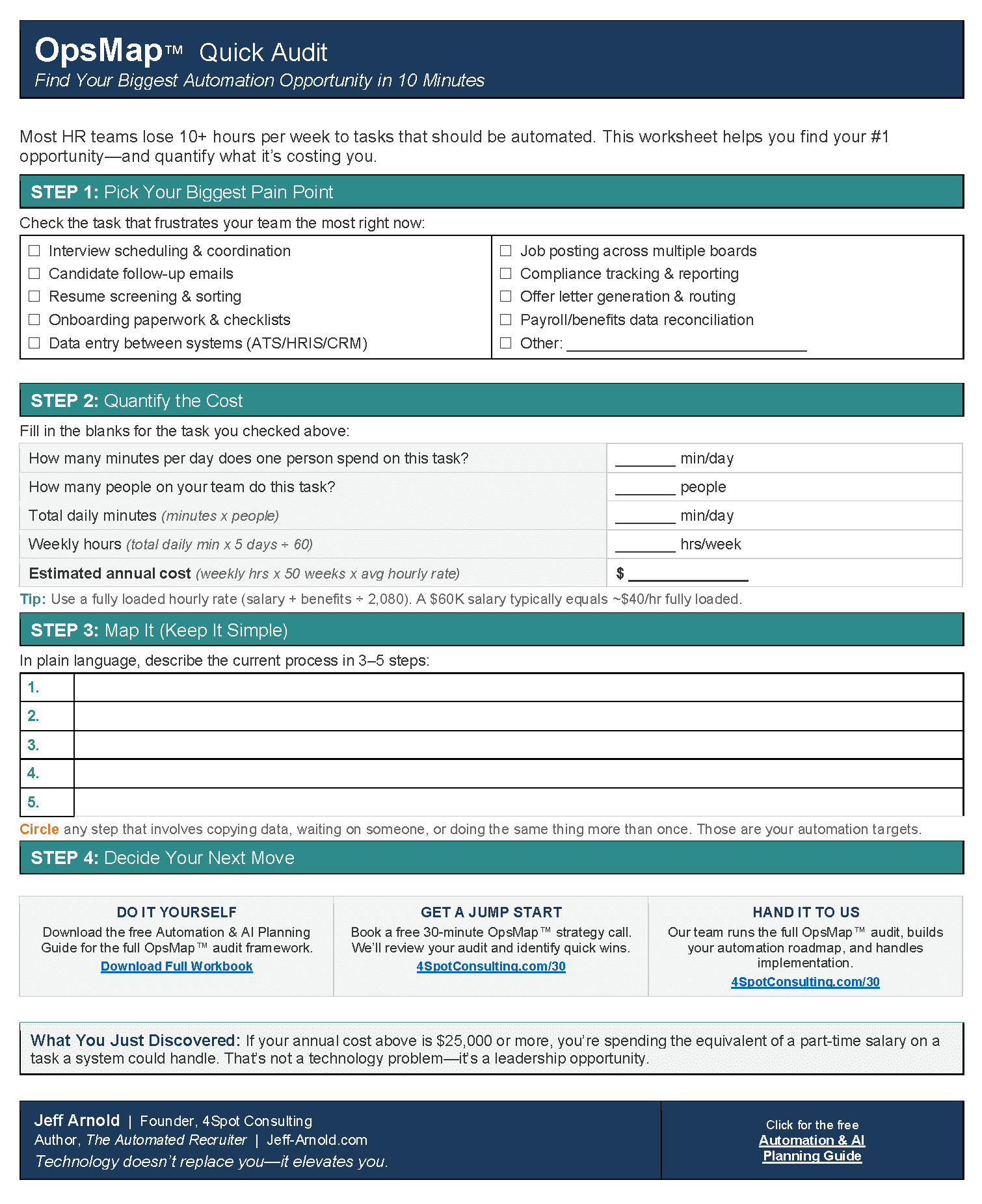
At 4Spot Consulting, we understand that overcoming data silos is not just a technical challenge, but a strategic imperative. Our OpsMesh framework is designed precisely to address this, building an overarching automation strategy that weaves together all your critical business systems. It begins with our OpsMap™ diagnostic, a deep dive to uncover where your data is fragmented, identify the friction points, and map out the ideal flow of information. Following this, our OpsBuild™ phase implements robust integrations using tools like Make.com, connecting your CRM (be it Keap, HighLevel, or another) with your marketing automation, project management, and communication platforms. We ensure that CRM backup strategies are not isolated components but integral parts of this larger, resilient, and interconnected data fabric, safeguarding your information while making it universally accessible and actionable.
For example, we’ve helped businesses dramatically cut down on manual data handling and improve data integrity. In a scenario reminiscent of our work with an HR tech client, where we automated resume intake and parsing to save over 150 hours monthly, similar principles apply to unifying client data. By connecting disparate systems and centralizing information within the CRM, businesses can eliminate hours spent on reconciliation, ensure data consistency across departments, and significantly improve their operational efficiency, moving from reactive firefighting to proactive, data-driven client management.
The Strategic Advantage: Empowering Decisions, Driving Revenue
The ultimate outcome of eliminating data silos and establishing a single source of truth is a profound strategic advantage. Employees are empowered with accurate, real-time information, leading to more informed decisions, faster problem-solving, and a superior client experience. This operational efficiency translates directly into reduced costs and increased scalability, allowing your business to grow without being bottlenecked by manual processes. Most importantly, a unified client view enables a truly personalized and proactive engagement strategy, maximizing client lifetime value and driving sustainable revenue growth. It’s about transforming your data from a chaotic collection into a powerful asset that fuels your business forward.
Ready to uncover automation opportunities that could save you 25% of your day? Book your OpsMap™ call today.
If you would like to read more, we recommend this article: Mastering Client Relationship Management: CRM Backup Strategies for Uninterrupted Business Flow

RELATED POST