Post: The Hidden Costs of Manual Hiring: How Automation Drives Recruitment ROI
The Unseen Drain: How Manual Candidate Engagement Erodes ROI and Why Automation is the Antidote
In the relentless pursuit of top talent, many businesses inadvertently create an internal efficiency drain: the manual management of candidate communication. From initial outreach to interview scheduling, follow-ups, and offer letters, the sheer volume of human-powered touchpoints can become a significant bottleneck. This isn’t just an inconvenience; it’s a pervasive cost center that erodes Return on Investment (ROI), diminishes the candidate experience, and ultimately impacts a company’s ability to scale effectively. At 4Spot Consulting, we regularly encounter businesses grappling with these unseen drains, often unaware of the true financial and operational burden until a strategic audit uncovers the depth of the issue.
The Pervasive Costs of Manual Touchpoints
Consider the cumulative effect of manual candidate communication. Each email sent, each calendar invite adjusted, each piece of feedback requested and tracked manually represents a segment of a recruiter’s or HR professional’s valuable time. This time, often spent on repetitive, low-value tasks, could otherwise be dedicated to strategic sourcing, candidate nurturing, or fostering internal talent relationships. The tangible costs manifest in several ways:
- **Time Loss:** High-value employees are bogged down by administrative tasks, reducing their capacity for more strategic initiatives.
- **Human Error:** Manual data entry and communication are inherently prone to mistakes—missed follow-ups, incorrect scheduling, or inconsistent messaging can lead to a disjointed candidate experience and administrative headaches.
- **Inconsistent Messaging:** Without a standardized, automated approach, the brand voice and crucial information can vary between recruiters, impacting employer brand perception.
- **Candidate Drop-off:** Delays in communication or a clunky process can quickly disengage promising candidates, driving them into the arms of more agile competitors.
These inefficiencies translate directly into financial implications. An extended time-to-hire, for instance, means critical roles remain unfilled longer, impacting project timelines, team productivity, and revenue generation. The cost-per-hire inevitably climbs, not just due to external spend, but also from the internal operational overhead hidden within manual workflows.
Beyond Ghosting: The Broader Impact on Candidate Experience
While the phenomenon of candidate ghosting is often discussed in isolation, it is frequently a symptom of broader issues within a manual communication process. When candidates feel unheard, unvalued, or simply confused by a disjointed application journey, their engagement wanes. A slow, inconsistent, or non-existent communication stream reflects poorly on the organization, regardless of the quality of the role or the company’s reputation. In today’s competitive talent market, the candidate experience is not merely a courtesy; it’s a crucial differentiator.
The Ripple Effect on High-Value Employees
The burden of manual tasks extends beyond just recruiters. Hiring managers, HR generalists, and even executives often find themselves pulled into coordination efforts, chasing updates, or correcting errors that could have been prevented. This diversion from their primary responsibilities is a silent killer of productivity. When high-value employees are spending their time on low-value operational work, the organization’s strategic momentum inevitably slows. It’s a clear case of diminishing returns, where top talent is underutilized due to systemic inefficiencies.
Automation as the Strategic Imperative, Not Just a Convenience
Addressing this unseen drain requires more than patchwork solutions; it demands a strategic shift towards automation. By intelligently automating candidate engagement, businesses can transform their talent acquisition process from a series of manual hurdles into a seamless, engaging journey. Automation ensures consistent, timely, and personalized communication at scale, without demanding constant human intervention.
Crafting a Seamless Candidate Journey with OpsMesh™
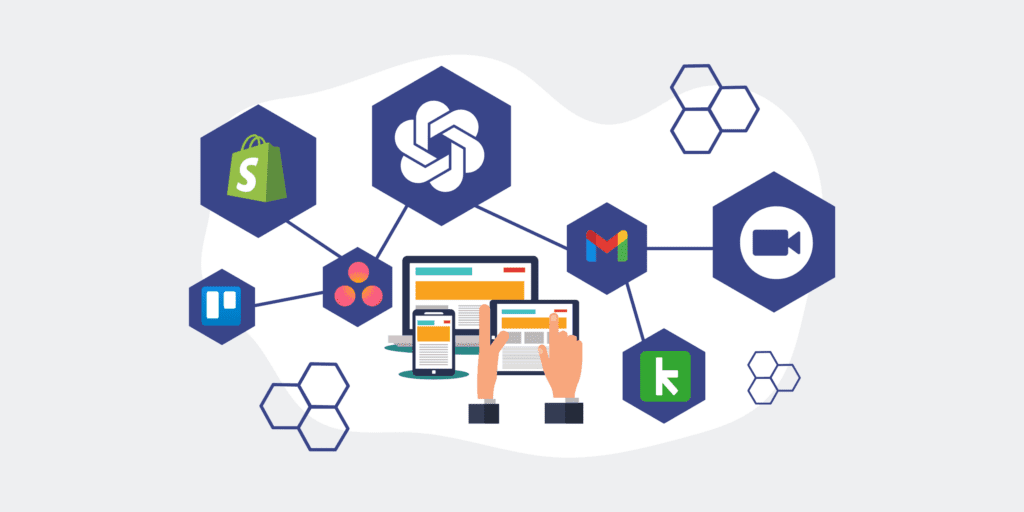
At 4Spot Consulting, our OpsMesh™ framework is designed precisely for this challenge. We don’t just build automations; we architect integrated systems that connect disparate tools like Make.com, Keap, PandaDoc, and Unipile, creating a single source of truth for candidate data and communication. Imagine a scenario where:
- Interview confirmations are automatically sent with all necessary details and calendar invites immediately after a slot is booked.
- Timely follow-ups are triggered based on predefined stages in the hiring pipeline, keeping candidates informed and engaged.
- Automated feedback requests are sent to interviewers, streamlining the evaluation process.
- Onboarding triggers are initiated the moment an offer is accepted, ensuring a smooth transition for new hires.
This systematic approach eliminates manual errors, drastically reduces administrative overhead, and allows HR and recruiting teams to focus on the human elements of their roles: building relationships, strategic talent mapping, and fostering a positive employer brand. It’s about leveraging technology to enhance human capability, not replace it.
Realizing Tangible ROI: More Than Just Time Savings
The return on investment from automating candidate engagement is multifaceted. Beyond the obvious time savings, businesses experience a marked improvement in several key areas:
- **Enhanced Candidate Experience:** A smooth, professional, and responsive journey attracts and retains top talent, strengthening your employer brand.
- **Faster Time-to-Hire:** Streamlined processes mean candidates move through the pipeline more efficiently, filling critical roles sooner.
- **Reduced Ghosting Rates:** Consistent, proactive communication keeps candidates engaged and informed, significantly lowering the likelihood of them disappearing.
- **Optimized Resource Allocation:** High-value employees are freed from repetitive tasks, enabling them to focus on strategic initiatives that drive growth and innovation.
We’ve seen clients achieve impressive outcomes, including production increases of over 240% in recruitment pipelines. This isn’t just about saving a few hours; it’s about fundamentally reshaping how a business acquires talent, building a more resilient, scalable, and profitable operation. The hidden costs of manual processes are real, but so are the profound benefits of strategic automation. It’s time to transform your candidate engagement from an unseen drain into a powerful competitive advantage.
If you would like to read more, we recommend this article: Reducing Candidate Ghosting: The ROI of Automated Interview Scheduling


RELATED POST