Post: AI in HR & Recruitment: 12 Practical Applications for Transformative Efficiency
12 Practical Applications of AI in HR and Recruitment for Unprecedented Efficiency
The landscape of HR and recruitment is rapidly evolving, driven by an urgent need for efficiency, accuracy, and strategic foresight. For years, HR departments have grappled with mountains of administrative tasks, manual data entry, and time-consuming processes that hinder their ability to focus on human-centric initiatives and strategic talent acquisition. This isn’t just about streamlining; it’s about fundamentally transforming how talent is attracted, managed, and retained. In today’s competitive business environment, the companies that thrive are those that embrace innovation to amplify their human capital, not just manage it. The challenge for many HR leaders, COOs, and Recruitment Directors isn’t recognizing the need for change, but rather understanding how to implement effective, ROI-driven solutions.
At 4Spot Consulting, we’ve seen firsthand how high-growth B2B companies, often with $5M+ ARR, are suffocated by operational bottlenecks that stem from outdated HR and recruitment practices. Our experience building automated systems for a diverse range of clients, from startups to Fortune 500s, has shown us that AI is no longer a futuristic concept but a tangible, practical tool that can eliminate human error, drastically reduce operational costs, and significantly boost scalability. This isn’t about replacing the human element but empowering HR and recruiting professionals to shed the low-value, repetitive work and instead focus on what truly matters: strategic talent development, fostering a vibrant company culture, and ensuring a superior candidate and employee experience. We believe that by strategically integrating AI, organizations can unlock unprecedented levels of efficiency, saving up to 25% of their day, and transforming HR from a cost center into a powerful strategic advantage.
1. AI-Powered Resume Screening and Ranking
One of the most time-intensive and often biased aspects of recruitment is the initial screening of resumes. Traditional methods involve human reviewers sifting through hundreds, sometimes thousands, of applications, a process prone to fatigue, inconsistency, and unconscious bias. AI-powered resume screening tools revolutionize this by automating the identification of qualified candidates based on predefined criteria, keywords, skills, and even cultural fit indicators. These systems can parse vast amounts of data from resumes and cover letters, extracting relevant information and ranking candidates according to their alignment with the job description. For instance, using platforms like Make.com, we can integrate an AI parser that reads incoming resumes, extracts key data points such as experience, skills, and education, and then automatically scores them against job requirements. This data can then be seamlessly pushed into a CRM like Keap, allowing recruiters to focus their valuable time on interviewing the most promising candidates, rather than spending hours on manual review. This not only accelerates the hiring process but also ensures a more objective, data-driven approach to candidate selection, significantly reducing time-to-hire and improving overall hiring quality.
2. Intelligent Chatbots for Candidate Experience and Support
The candidate experience is paramount in attracting top talent, yet many companies struggle to provide timely and personalized communication. Intelligent chatbots, powered by AI, offer a scalable solution for 24/7 candidate engagement and support. These chatbots can answer frequently asked questions about company culture, benefits, job descriptions, and application status, freeing up recruiters from repetitive inquiries. They can also guide candidates through the application process, provide interview tips, and even pre-screen candidates with a series of qualifying questions. Beyond basic FAQs, sophisticated chatbots can gather preliminary information, schedule initial calls, and even nurture candidates through the hiring funnel. For a high-growth company, this means candidates receive immediate, consistent responses, creating a positive impression and reducing drop-off rates, even outside of business hours. This elevates the candidate journey from a transactional process to an engaging, informative interaction, enhancing the employer brand and ensuring no promising candidate is lost due to communication gaps.
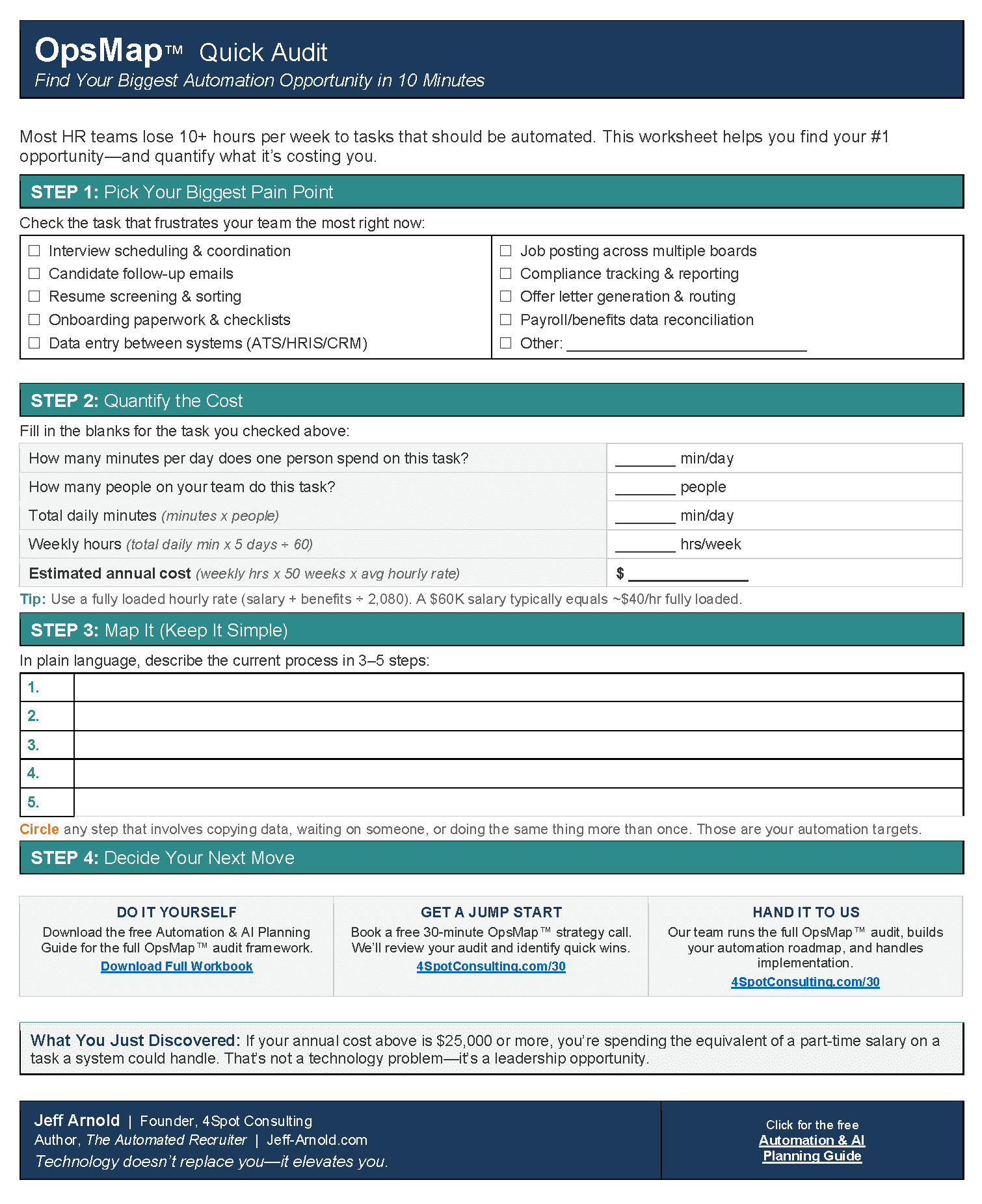
3. AI-Driven Candidate Sourcing and Engagement
Proactive candidate sourcing is crucial in a competitive talent market, but manually searching through LinkedIn and other platforms is incredibly time-consuming. AI-driven sourcing tools can automate and enhance this process by identifying passive candidates who match specific job requirements and company profiles across various online platforms. These tools leverage machine learning to analyze publicly available data, social profiles, and professional networks to pinpoint individuals with the right skills, experience, and even potential cultural alignment. Beyond identification, AI can assist in personalized outreach, crafting initial messages that resonate with candidates based on their professional background and interests. An integration built with Make.com could, for example, identify potential candidates on platforms, extract their relevant details, then use AI to draft personalized introductory emails that are automatically queued for a recruiter’s review and send. This targeted, data-backed approach dramatically expands the talent pool and improves the effectiveness of outreach campaigns, allowing recruiting teams to engage with a larger volume of highly relevant candidates with far less manual effort.
4. Automated Interview Scheduling and Logistics
Coordinating interviews across multiple candidates and hiring managers is a notorious time sink for recruitment teams. The back-and-forth of finding mutually agreeable times, booking rooms (virtual or physical), and sending confirmations can consume hours of administrative time. AI-powered scheduling tools virtually eliminate this inefficiency. These systems integrate with calendars, allow candidates to select available slots, and automatically send out invitations, reminders, and follow-up communications. More advanced systems can even factor in interviewer preferences, time zones, and interview panel requirements. By implementing such an automation, often via tools like Make.com, we ensure that as soon as a candidate passes an initial screening, an automated sequence is triggered to facilitate scheduling. This drastically reduces the administrative burden on recruiters, minimizes scheduling errors, and accelerates the time-to-interview, ensuring a smooth and professional experience for both candidates and internal teams. The focus shifts from logistical headaches to substantive interview discussions.
5. Predictive Analytics for Employee Turnover and Retention
Understanding and mitigating employee turnover is a strategic imperative for any business looking to sustain growth and stability. AI offers powerful capabilities in predictive analytics to identify employees at risk of leaving the company before they actually resign. By analyzing various data points—such as performance reviews, compensation data, tenure, promotion history, manager feedback, engagement survey results, and even sentiment from internal communications—AI algorithms can pinpoint patterns and indicators associated with future turnover. This allows HR leaders to proactively intervene with targeted retention strategies, whether it’s through career development opportunities, mentorship programs, adjusted compensation, or addressing specific concerns. For instance, an OpsBuild project might involve consolidating disparate HR data into a single source of truth, then applying AI models to predict turnover risk. This foresight transforms retention from a reactive measure into a proactive, data-driven strategy, significantly reducing the costs associated with recruitment and onboarding new hires, and preserving institutional knowledge.
6. AI-Enhanced Employee Onboarding and Training
A successful onboarding experience is critical for employee retention and productivity, but it often involves a disjointed array of paperwork, mandatory training, and departmental introductions. AI can personalize and streamline this process significantly. From automated document generation (e.g., offer letters, contracts via PandaDoc) to intelligent learning paths, AI ensures new hires receive timely and relevant information tailored to their role and needs. Chatbots can serve as 24/7 onboarding guides, answering initial questions and directing new employees to necessary resources. AI can also assess a new hire’s knowledge gaps and recommend specific training modules, accelerating their ramp-up time. For example, we’ve implemented systems using Make.com that automate the entire onboarding workflow, from pre-boarding communications to system access provisioning and initial training assignments, all triggered upon acceptance of an offer. This not only reduces the administrative burden on HR but also creates a highly engaging and efficient onboarding experience, ensuring new employees feel supported and become productive members of the team much faster.
7. Performance Management and Feedback Automation
Traditional performance reviews can often be sporadic, subjective, and time-consuming, failing to provide continuous, actionable insights. AI can transform performance management into a more dynamic and objective process. AI-powered tools can analyze qualitative and quantitative data from various sources—project performance, 360-degree feedback, goal attainment, and even communication patterns—to provide more comprehensive and unbiased insights into employee performance. They can identify high performers, highlight areas for improvement, and suggest personalized development plans. Furthermore, AI can automate the collection of continuous feedback, prompting managers and peers for input at regular intervals, rather than just annually. This allows for real-time adjustments and coaching, fostering a culture of continuous growth. An OpsMesh strategy might integrate project management tools, communication platforms, and HR systems to create a holistic view, with AI flagging trends and suggesting interventions, enabling a more effective, data-driven approach to employee development and engagement.
8. AI-Driven Skill Gap Analysis and Learning Recommendations
In a rapidly changing business environment, ensuring that your workforce possesses the necessary skills for future challenges is paramount. AI can play a crucial role in identifying current skill gaps within an organization and proactively recommending personalized learning and development pathways. By analyzing employees’ current roles, performance data, career aspirations, and industry trends, AI algorithms can pinpoint missing competencies. It can then curate and suggest relevant training courses, certifications, and internal mentorship opportunities from a vast library of resources. This moves beyond generic training programs to highly targeted, individualized development plans. For instance, an OpsMap diagnostic might reveal widespread skill deficiencies that AI can then help address by recommending specific online courses or internal workshops. This strategic application of AI ensures that workforce development is not only efficient but also directly aligned with business objectives, fostering a culture of continuous learning and future-proofing the organization against evolving market demands.
9. Compliance and Policy Management Automation
Navigating the complex landscape of HR compliance and policy management is a constant challenge, with regulations frequently changing and requiring meticulous attention to detail. AI can significantly reduce the risk of non-compliance and streamline policy dissemination and acknowledgment. AI-powered systems can monitor regulatory changes, automatically update relevant policies, and ensure that employees are notified and acknowledge new or revised guidelines. These systems can also automate the collection and storage of compliance documentation, ensuring audit readiness. For instance, using tools like PandaDoc in conjunction with Make.com, we can automate the creation and distribution of compliance documents, track their completion, and store them securely. AI can even analyze policy language for clarity and consistency, reducing ambiguity. This frees HR teams from the burdensome task of manual policy management, allowing them to focus on strategic initiatives while ensuring the organization remains compliant and protected from legal and financial risks associated with oversight.
10. AI-Enhanced Employee Experience and Engagement Tools
A positive employee experience is a cornerstone of a high-performing organization, directly impacting productivity, retention, and overall company culture. AI can enhance this experience by providing personalized interactions and insights into employee sentiment. AI-powered tools can analyze feedback from engagement surveys, internal communications (with privacy considerations), and HR inquiries to gauge employee morale and identify areas of concern or opportunities for improvement. AI chatbots can act as virtual HR assistants, providing instant support for HR-related queries, benefits information, or policy clarification, making HR resources more accessible and immediate. Imagine a scenario where an AI tool identifies a dip in engagement in a specific department and suggests targeted interventions to management. This proactive approach, facilitated by AI, ensures that employees feel heard, supported, and connected, fostering a more positive and productive work environment that resonates with the principles of a human-first approach while leveraging technological efficiency.
11. Data-Driven Compensation and Benefits Optimization
Determining competitive and equitable compensation packages is crucial for attracting and retaining top talent, yet it often relies on outdated market data and subjective evaluations. AI brings a new level of precision to compensation and benefits optimization. AI-powered analytics can process vast datasets, including market salary benchmarks, internal compensation structures, employee performance, and regional economic factors, to recommend fair and competitive compensation ranges. It can identify pay inequities, assess the ROI of different benefits packages, and model the impact of various compensation strategies on employee satisfaction and retention. For instance, an AI system might analyze a candidate’s specific skill set, experience level, and location, and then cross-reference this with real-time market data to suggest an optimal offer range. This data-driven approach ensures that an organization’s compensation strategy is not only competitive and compliant but also optimized to attract the best talent while managing costs effectively, transforming guesswork into strategic decision-making.
12. Automated HR Helpdesk and Query Resolution
HR departments are often inundated with repetitive inquiries regarding benefits, payroll, policies, and administrative procedures, diverting valuable HR staff time away from more strategic tasks. AI-powered HR helpdesks can automate the resolution of these common queries, providing instant and accurate responses to employees. These systems typically leverage natural language processing (NLP) to understand employee questions and retrieve relevant information from a knowledge base. For more complex issues, the AI can intelligently route the query to the appropriate HR specialist, ensuring that employees receive support without unnecessary delays. Using a solution integrated via Make.com, an employee might submit a question through a chat interface or a portal, and the AI immediately provides an answer or escalates it to the right person, tracking the resolution process. This not only significantly reduces the HR team’s workload but also improves employee satisfaction by providing rapid, consistent access to information, embodying the efficiency gains that 4Spot Consulting aims to deliver through automation.
The strategic integration of AI into HR and recruitment is no longer optional for businesses aiming for sustainable growth and operational excellence. The practical applications outlined above demonstrate a clear path towards increased efficiency, reduced costs, enhanced candidate and employee experiences, and a more data-driven approach to talent management. By automating repetitive tasks and providing intelligent insights, AI empowers HR and recruiting professionals to shift their focus from administrative burdens to strategic initiatives that truly impact the bottom line. At 4Spot Consulting, we believe in a future where HR is a proactive, strategic powerhouse, driven by smart automation and AI, and our OpsMap framework is designed to help you chart that exact course. Embracing these technologies isn’t about replacing human judgment but augmenting it, creating a more agile, resilient, and human-centric organization.
If you would like to read more, we recommend this article: The Definitive Guide to AI-Powered HR Transformation