Post: Elevate Your HR: Automate Talent Acquisition to Conquer Hidden Costs
The Unseen Cost of Manual HR Processes: How Automation Transforms Talent Acquisition
In the relentless pursuit of talent, many organizations overlook a critical drain on their resources: the sprawling, often inefficient landscape of manual human resources processes. While the focus frequently remains on direct recruitment costs, the hidden inefficiencies inherent in traditional HR operations—from resume screening to onboarding—can silently erode profitability, stifle growth, and even compromise the quality of hires. At 4Spot Consulting, we’ve witnessed firsthand how these manual bottlenecks prevent high-value HR professionals from focusing on strategic initiatives, trapping them instead in a cycle of repetitive, low-value work.
Consider the typical journey of a single job application. It often begins with an influx of resumes, many of which are irrelevant. Manual screening consumes hours, even days, of a recruiter’s precious time. Then comes scheduling interviews, managing candidate communications, preparing offer letters, and finally, the multi-faceted process of onboarding—all tasks ripe for human error and significant time expenditure. Each step, when handled manually, is not just a task; it’s an opportunity for delay, miscommunication, and a less-than-optimal candidate experience, ultimately reflecting poorly on the employer brand.
The Tangible Impact of Inefficiency on Your Bottom Line
The costs associated with manual HR processes extend far beyond just salary expenses for administrative tasks. They manifest as delayed hiring cycles, which translate into longer periods of understaffing, lost productivity, and missed revenue opportunities. A recent study highlighted that the average cost per hire can range significantly, but a substantial portion of this is attributable to the time spent on manual administrative tasks. Moreover, the quality of hire can suffer when recruiters are overwhelmed by volume, leading to hurried decisions and a higher turnover rate—another direct hit to the budget.
Beyond the financial implications, there’s the intangible cost of employee morale and retention. High-value HR and recruiting professionals, when bogged down by tedious data entry and repetitive tasks, experience burnout. This often leads to disengagement or, worse, their departure, further exacerbating the talent acquisition challenge. The very individuals meant to champion the employee experience find themselves ensnared in processes that undermine their own effectiveness and job satisfaction.
From Burden to Breakthrough: The Power of Strategic Automation
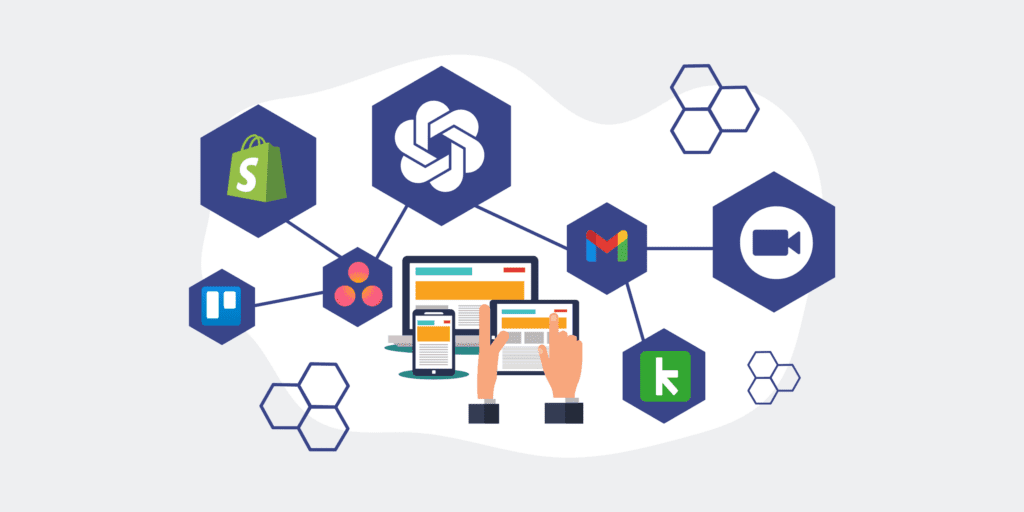
This is where strategic automation and AI integration fundamentally transform HR and talent acquisition. Automation isn’t about replacing human expertise; it’s about amplifying it, freeing up your most valuable team members to focus on what truly matters: strategic planning, candidate engagement, and fostering a positive workplace culture. Our OpsMesh framework at 4Spot Consulting is designed precisely for this purpose—to weave together disparate systems and processes into a seamless, intelligent workflow.
Imagine a system where incoming resumes are automatically parsed, screened against predefined criteria using AI, and promising candidates are immediately added to your CRM, triggering automated outreach for initial screenings. Interview scheduling can become a self-service process for candidates, automatically syncing with your team’s calendars. Offer letter generation, background checks, and even initial onboarding paperwork can be largely automated, ensuring accuracy and compliance while significantly reducing the administrative burden.
The 4Spot Consulting Approach: Crafting Intelligent HR Ecosystems
Our work begins with an OpsMap™—a comprehensive diagnostic designed to uncover the hidden inefficiencies in your HR and recruiting workflows. We don’t just recommend technology; we map out the strategic opportunities for automation that will yield the highest ROI for your specific business. This strategic audit is crucial, as blindly implementing tools without a clear understanding of your unique pain points often leads to more complexity, not less.
Following the OpsMap™, our OpsBuild phase brings these solutions to life. Utilizing platforms like Make.com, we create bespoke integrations that connect your applicant tracking systems (ATS), CRMs (like Keap and HighLevel), communication tools, and document management platforms. Our expertise lies in crafting a “single source of truth” for your HR data, eliminating discrepancies and ensuring that every team member has access to accurate, up-to-date information.
Real-World Impact: Saving Hours, Boosting Outcomes
We’ve seen the transformative power of this approach firsthand. For an HR tech client, we implemented an automation solution that processed incoming resumes using Make.com and AI enrichment, then seamlessly synced the parsed data to their Keap CRM. This single automation saved them over 150 hours per month, dramatically reducing the time spent on manual data entry and screening. The result? Recruiters could dedicate more time to engaging top talent, leading to faster hires and a significant improvement in candidate experience.
This isn’t just about saving time; it’s about shifting your HR department from a reactive administrative function to a proactive strategic partner. By automating the mundane, you empower your HR leaders to focus on talent development, retention strategies, and building a workforce that propels your business forward. The unseen costs of manual processes quickly become the visible gains of efficiency, scalability, and ultimately, sustained growth.
Ready to uncover automation opportunities that could save you 25% of your day? Book your OpsMap™ call today.
If you would like to read more, we recommend this article: Mastering Business Automation for Sustainable Growth


RELATED POST