Post: B2B Document Automation: Unlocking Efficiency and Scalability
Beyond Email Attachments: Automating Document Management for Scalable B2B Operations
In the high-stakes world of B2B operations, efficiency isn’t just a buzzword—it’s the bedrock of sustained growth and profitability. Yet, many companies, even those scaling rapidly, remain ensnared in a web of manual document management. From contracts and proposals to invoices and client data, the sheer volume of paperwork (digital or otherwise) can overwhelm even the most dedicated teams, diverting valuable human capital from strategic initiatives to repetitive, low-value administrative tasks. This isn’t merely an inconvenience; it’s a silent drain on resources, a breeding ground for human error, and a significant bottleneck to true scalability.
Think about the journey of a single client contract. It starts as a template, gets customized, moves through internal approvals, is sent for client review, undergoes revisions, requires signatures, and then needs to be filed, categorized, and potentially integrated with CRM or project management systems. Each step, if handled manually, introduces points of friction, delays, and the potential for a misplaced file or an overlooked clause. For a B2B firm juggling multiple clients and complex projects, this manual churn quickly becomes unsustainable, directly impacting service delivery, client satisfaction, and ultimately, the bottom line. At 4Spot Consulting, we recognize this pervasive challenge and understand that liberating your high-value employees from this document drudgery is not just about saving time; it’s about unlocking potential.
The Hidden Costs of Manual Document Handling
The immediate cost of manual document processes is often measured in hours—the time spent drafting, reviewing, sending, chasing signatures, and filing. But the true expense runs far deeper. There’s the cost of human error, which can range from minor data entry mistakes to critical compliance breaches. There’s the cost of delayed sales cycles, where a slow contract turnaround can mean lost opportunities. There’s the cost of operational opacity, where documents are scattered across disparate systems or in individual inboxes, making it impossible to establish a single source of truth for critical client information. And perhaps most critically, there’s the opportunity cost: highly skilled professionals, hired for their strategic thinking and problem-solving abilities, are instead spending a significant portion of their day on tasks that a well-designed automated system could handle effortlessly.
This isn’t a problem that can be solved by simply going “paperless” if the digital processes themselves mimic the inefficiency of physical ones. Scanning a document into a shared drive without proper naming conventions, metadata, or automated workflows for retrieval and archiving is merely digitizing chaos. True transformation comes from designing intelligent systems that understand the lifecycle of your documents, from creation to secure storage and eventual archiving, all while ensuring seamless access and compliance.
Automating Your Document Lifecycle: The 4Spot Consulting Approach
At 4Spot Consulting, our approach to document management automation is embedded within our overarching OpsMesh™ framework—a strategic blueprint designed to connect your disparate business systems and workflows. We don’t just implement tools; we engineer solutions that eliminate bottlenecks, enhance accuracy, and drive exponential efficiency gains. Our journey with clients often begins with an OpsMap™ diagnostic, where we meticulously audit existing document processes to uncover every inefficiency and opportunity for automation.
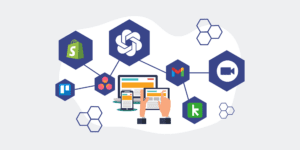
For document management, this often involves leveraging powerful low-code platforms like Make.com to orchestrate complex workflows across your entire tech stack. Imagine a scenario where a new client agreement is automatically generated from your CRM (like Keap or HighLevel) upon proposal acceptance. PandaDoc or a similar e-signature solution handles the signing process, while Make.com ensures that once signed, the document is automatically filed in the correct cloud storage (e.g., Google Drive, SharePoint), a copy is synced to the client’s CRM record, and relevant stakeholders are notified. AI can even be employed to extract key data points from the document, further enriching your CRM and ensuring data integrity without manual input.
This integrated approach drastically reduces the manual touchpoints. It ensures documents are not just stored, but are active, intelligent components of your business operations. Our solutions create a robust, auditable trail for every document, minimizing compliance risks and providing unparalleled visibility into your operational landscape. We empower your team to access exactly what they need, precisely when they need it, while eliminating the fear of lost files or outdated versions.
Measurable Impact and Future-Proofing Your Operations
The benefits of automating document management extend far beyond simply saving a few hours. We’ve seen clients reclaim upwards of 25% of their day, redirecting that invaluable time towards client engagement, strategic planning, and innovation. For instance, we helped an HR tech client save over 150 hours per month by automating their resume intake and parsing process using Make.com and AI enrichment, then syncing to Keap CRM. This transformation didn’t just save time; it accelerated their hiring cycles, improved candidate experience, and significantly boosted their operational capacity.
By implementing a strategic, automation-first approach to document management, B2B companies can move past the administrative quagmire and focus on what truly drives growth. It fosters a culture of accuracy, reduces operational costs, and provides a resilient foundation for future scaling. This isn’t about replacing people with technology; it’s about empowering people with technology to perform at their highest potential, focusing on the tasks that require human creativity, empathy, and strategic insight.
Ready to uncover automation opportunities that could save you 25% of your day? Book your OpsMap™ call today. Let’s chart a course to streamline your document workflows and unlock new levels of efficiency for your business.
If you would like to read more, we recommend this article: The Definitive Guide to Business Process Automation for B2B Growth



RELATED POST