Post: CRM Data Backup: The B2B Foundation for Growth & Resilience
Safeguarding Your B2B Future: The Critical Imperative of CRM Data Backup
In the high-stakes world of B2B operations, your Customer Relationship Management (CRM) system isn’t just a database; it’s the beating heart of your revenue engine. It houses every interaction, every lead, every deal, and every critical piece of information that drives sales, marketing, and customer success. Yet, surprisingly often, we encounter businesses operating without a robust, verified CRM data backup strategy. This isn’t just a minor oversight; it’s a profound vulnerability that can cripple growth, erode trust, and even threaten the very existence of a company.
Imagine a scenario where your primary CRM instance becomes inaccessible. Perhaps it’s a server failure, a cyberattack, a catastrophic human error leading to mass data deletion, or even a vendor-side issue. Without a reliable backup, years of accumulated intelligence, client histories, and sales pipeline data could vanish in an instant. For a B2B company striving for high growth and operational excellence, this isn’t just a setback; it’s an existential threat. The potential losses extend far beyond mere data recovery costs, impacting revenue, reputation, and competitive advantage.
The Hidden Risks of Unprotected CRM Data
Many business leaders assume their CRM provider handles all necessary backups, or that their general IT backup strategy covers everything. This is a dangerous misconception. While most CRM platforms offer some level of internal redundancy for disaster recovery, their terms of service often clarify that customer data integrity remains the customer’s responsibility. This means that if an employee accidentally deletes a crucial sales pipeline, or a malicious actor infiltrates your system, the CRM provider’s standard recovery might not be granular enough or timely enough to prevent significant damage.
The risks associated with inadequate CRM data backup are multifaceted:
Revenue Loss and Operational Disruption
Without access to your CRM, your sales team is blind. Leads can’t be followed up, proposals can’t be tracked, and opportunities can fall through the cracks. Marketing campaigns lose their historical context, and customer service teams can’t access vital support tickets or client notes. This immediate operational paralysis translates directly into lost revenue, delayed sales cycles, and a sharp decline in productivity. High-value employees suddenly find themselves engaged in low-value, frantic attempts to reconstruct lost information, rather than driving business forward.
Erosion of Customer Trust and Reputation Damage
In a B2B context, trust is paramount. If you lose customer data, or if your ability to serve clients is compromised due to a data incident, your reputation takes a severe hit. Clients expect a seamless, secure experience. A data loss event, regardless of its cause, signals a lack of preparedness and can lead to clients questioning your reliability, potentially driving them into the arms of competitors. Rebuilding trust is a long, arduous, and often expensive process.
Compliance Headaches and Legal Exposure
Depending on your industry and geographic reach, data retention and protection regulations (like GDPR, CCPA, or industry-specific mandates) are non-negotiable. A CRM data loss event can put you in breach of these regulations, leading to hefty fines, legal challenges, and extensive audits. The costs of non-compliance can far outweigh the investment in a robust backup solution.
Building a Resilient CRM Data Strategy with 4Spot Consulting
At 4Spot Consulting, our OpsMesh framework emphasizes building resilient, automated business systems designed for scalability and minimal human error. CRM data backup isn’t an afterthought; it’s a foundational component of this strategy. We understand that for B2B companies using platforms like Keap and HighLevel, the nuances of data architecture require expert attention.
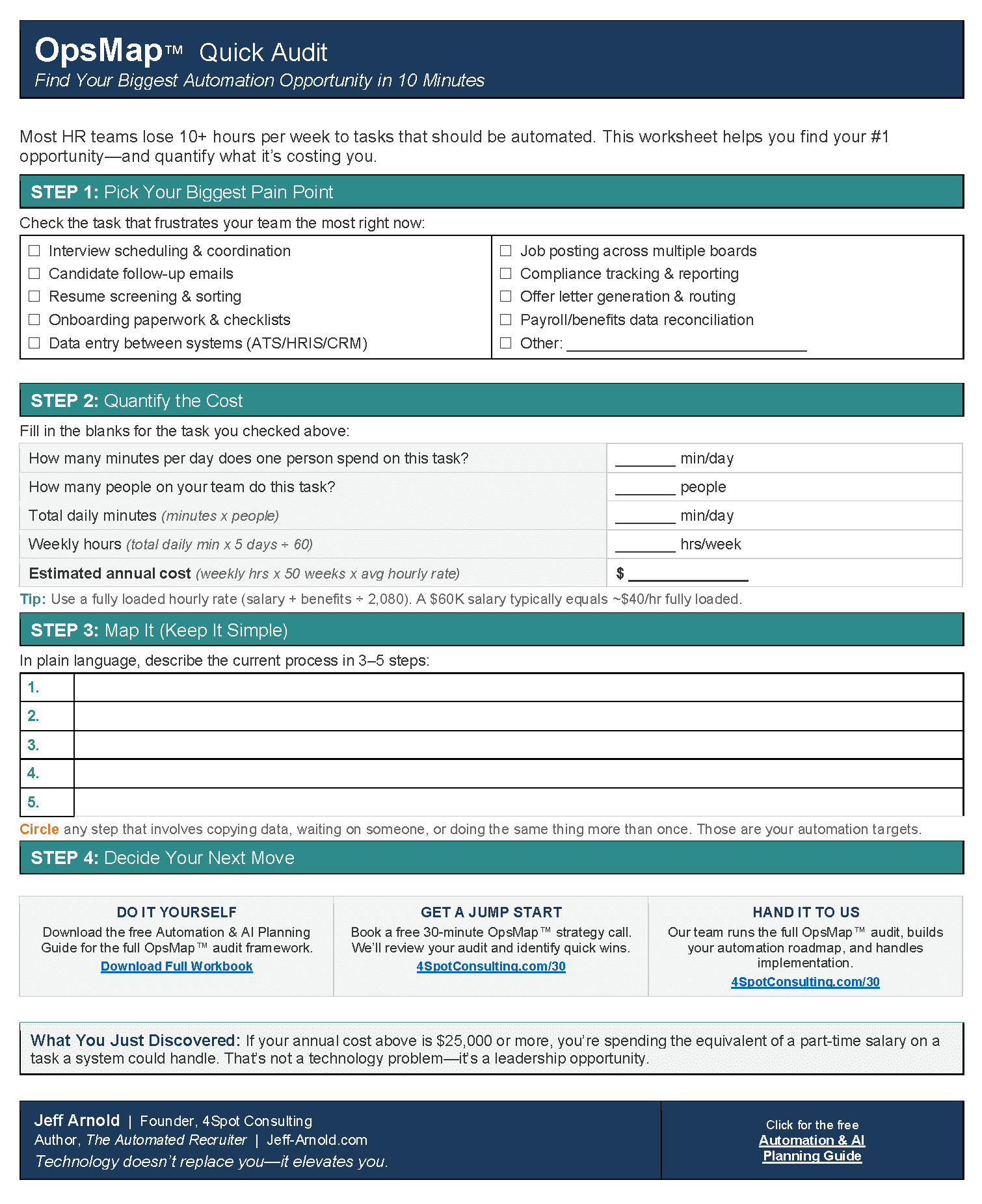
Our approach goes beyond simple file dumps. We conduct an OpsMap™ diagnostic to strategically audit your current CRM usage, identifying critical data points, potential vulnerabilities, and the most effective backup methodologies. This isn’t about throwing technology at the problem; it’s about a strategic-first approach that plans before it builds.
We leverage low-code automation tools like Make.com to create automated, verifiable backup workflows. This ensures that your CRM data is not only regularly replicated but also structured in a way that allows for rapid, granular recovery. Imagine being able to restore a specific client record, a deleted project, or an entire historical data set with confidence and speed, minimizing downtime and mitigating risk.
This proactive strategy helps establish a true “single source of truth” for your organization, preventing data silos and ensuring that critical information is always accessible and secure. It eliminates the low-value, high-stress work of data recovery, allowing your high-value employees to focus on what they do best: driving growth and serving clients.
Investing in a comprehensive CRM data backup strategy isn’t an expense; it’s an insurance policy for your B2B future. It safeguards your revenue streams, protects your reputation, ensures compliance, and ultimately allows your business to scale with confidence, knowing that your most valuable asset—your data—is always protected.
If you would like to read more, we recommend this article: The Critical Imperative of CRM Data Backup for B2B Growth


RELATED POST