Post: AI in Recruiting: From Resumes to Predictive Talent Intelligence
Beyond the Resume: Leveraging AI for Deeper Talent Insights in Recruiting
The traditional hiring landscape, heavily reliant on resumes and initial interviews, often provides a two-dimensional view of a candidate. In today’s competitive talent market, where every hire is a strategic investment, businesses can no longer afford to make decisions based on limited data. High-growth B2B companies, particularly those scaling rapidly, face the acute challenge of not just finding talent, but truly understanding its potential impact on their organization. This is where the strategic integration of Artificial Intelligence transforms the recruitment paradigm, moving us beyond surface-level evaluations to unearth profound talent insights.
For decades, the resume has served as the primary gatekeeper, a document designed to highlight accomplishments and skills. While valuable, it’s inherently a historical artifact, often optimized for keywords and lacking the dynamic context of a candidate’s true capabilities, growth trajectory, or cultural fit. Human biases, both conscious and unconscious, inevitably creep into manual review processes, leading to missed opportunities and suboptimal hiring decisions. This bottleneck not only slows down time-to-hire but also impacts the quality of talent entering the organization, directly affecting operational efficiency and long-term scalability.
Unlocking the Subtleties: AI’s Role in Talent Discovery
AI, when strategically deployed, acts as an advanced analytical engine, sifting through vast quantities of data points that extend far beyond a candidate’s CV. It can analyze public profiles, project portfolios, professional networks, and even communication styles to build a richer, more nuanced candidate profile. This isn’t about replacing human recruiters; it’s about empowering them with unprecedented insights, allowing them to focus on the human elements of connection, negotiation, and cultural alignment rather than tedious data aggregation.
Consider the realm of skill assessment. While a resume lists “proficient in Python,” AI tools can go deeper, analyzing code samples, contributions to open-source projects, or even responses in simulated technical challenges to provide a granular understanding of actual proficiency and problem-solving approaches. For roles requiring specific soft skills like leadership, collaboration, or adaptability, AI can analyze behavioral cues from recorded interviews (with consent), identify patterns in written communications, or assess engagement in collaborative projects. This provides a more objective and comprehensive picture than subjective interviewer notes alone.
Predictive Analytics: Anticipating Success, Reducing Turnover
One of AI’s most powerful applications in recruiting is its predictive capability. By analyzing historical data—success metrics of past hires, their career trajectories within the company, and even factors contributing to turnover—AI algorithms can identify correlations and predict which candidates are most likely to succeed in a specific role and thrive within the company culture. This moves recruitment from a reactive process to a proactive, data-driven strategy, significantly reducing the risk of mis-hires and the associated costs of onboarding, training, and potential attrition.
For high-growth B2B companies, reducing employee turnover is paramount. Every departure represents a loss of institutional knowledge and a significant cost to replace. AI-driven insights can help identify candidates whose values and work styles align more closely with the company’s ethos, leading to higher job satisfaction and longer tenure. This isn’t about creating a homogenous workforce but about fostering environments where diverse talents can flourish because their fundamental working styles are compatible with the organizational structure and values.
Streamlining Operations, Enhancing Candidate Experience
Beyond deeper insights, AI automates the mundane, high-volume tasks that traditionally consume a recruiter’s day. Screening thousands of resumes, scheduling interviews, sending personalized follow-ups, and managing applicant tracking systems can all be significantly optimized. This operational efficiency means recruiters can manage a larger pipeline more effectively, reduce time-to-hire, and crucially, improve the candidate experience. A faster, more transparent, and personalized recruitment process leaves a positive impression, enhancing employer branding and attracting top talent.
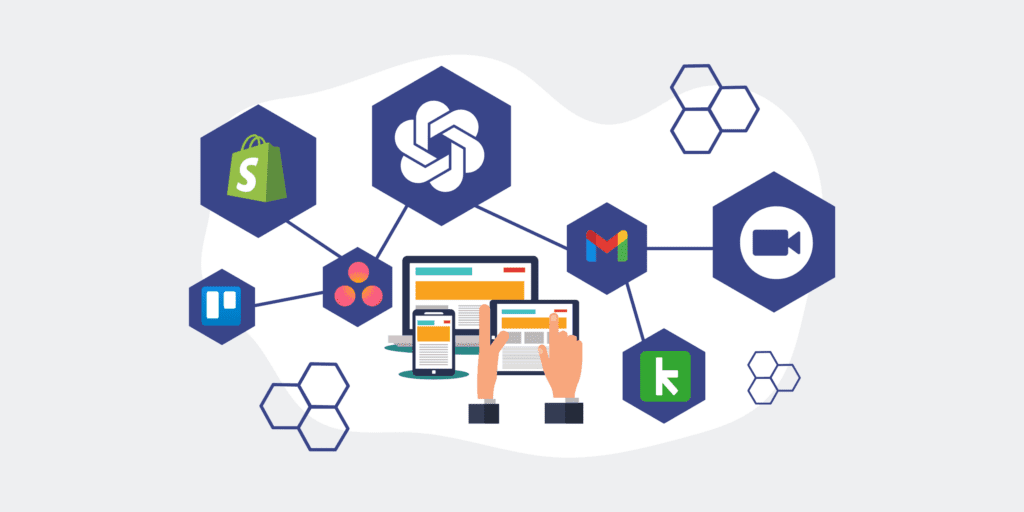
At 4Spot Consulting, we approach these challenges with our OpsMesh framework. We don’t just implement AI tools; we strategically audit your existing recruitment processes through an OpsMap to uncover inefficiencies and identify opportunities where AI and automation can deliver the greatest ROI. We then build custom solutions, integrating platforms like Make.com to connect disparate HR tech, CRM, and communication systems. This ensures a “single source of truth” for candidate data, eliminating manual errors and providing a comprehensive view of every applicant from initial contact to onboarding.
The Human Element, Amplified by AI
It’s crucial to reiterate that AI in recruiting is a force multiplier for human expertise, not a replacement. The human touch remains irreplaceable in building relationships, understanding nuanced motivations, and making the ultimate hiring decision. What AI offers is the ability to free up valuable human capital from repetitive tasks and equip them with data-rich profiles that enable more informed, strategic, and equitable decisions. This partnership between human intuition and artificial intelligence creates a more robust, fair, and efficient hiring ecosystem.
We’ve seen clients in HR tech save over 150 hours per month by automating resume intake, parsing, and syncing data to their CRM using Make.com and AI enrichment. This frees up their high-value employees to engage more deeply with promising candidates, rather than getting bogged down in administrative tasks. The result is not just time saved, but a demonstrable increase in the quality of hires and a significant boost to the overall operational capacity.
For high-growth B2B companies striving for scalability and sustained success, the question is no longer if to adopt AI in recruiting, but how to do so strategically. It’s about leveraging technology to gain a competitive edge in talent acquisition, ensuring every hire contributes meaningfully to the bottom line.
If you would like to read more, we recommend this article: Unlocking Business Efficiency: The Power of Strategic Automation


RELATED POST