Post: Strategic Automation: The Path to B2B Resilience and Growth
Beyond Efficiency: Automating for Strategic Business Resilience
In today’s relentlessly dynamic business landscape, simply operating efficiently is no longer enough to guarantee sustained success. Businesses face an onslaught of evolving market demands, workforce shifts, and competitive pressures that demand more than just optimized processes—they demand strategic resilience. Many organizations, despite significant investments in technology, still find themselves reactive rather than proactive, bogged down by manual processes that hinder agility and innovation. This isn’t just about saving time; it’s about building a foundational infrastructure that can adapt, scale, and thrive amidst uncertainty, turning operational challenges into strategic advantages.
The traditional view of automation often stops at cost reduction and basic efficiency gains. While these are certainly valuable outcomes, they only scratch the surface of automation’s true potential. For high-growth B2B companies, particularly those with revenues exceeding $5M ARR, automation should be a cornerstone of their strategic planning. It’s about creating systems that not only perform tasks faster but also anticipate needs, mitigate risks, and free up high-value employees to focus on strategic initiatives that drive top-line growth and market differentiation. This profound shift from tactical efficiency to strategic resilience is where true competitive advantage is forged.
The Hidden Costs of Manual Operations in a Dynamic Market
Consider the daily reality within many organizations. Critical functions like HR and recruiting, CRM management, and data organization are frequently mired in repetitive, error-prone manual tasks. Recruitment teams spend countless hours sifting through resumes, scheduling interviews, and sending follow-up emails—time that could be better spent engaging with top-tier candidates. Sales and operations teams grapple with inconsistent data entry across disparate systems, leading to a fragmented customer view and lost opportunities. These aren’t just minor inconveniences; they represent significant drains on resources, inflate operational costs, and, critically, introduce human error into vital business processes.
Moreover, manual processes are inherently rigid. When market conditions change rapidly, or when a company experiences significant growth, these operations become bottlenecks. They stifle the ability to scale quickly, respond to customer feedback in real-time, or adapt to new regulatory requirements without extensive, costly retooling. This lack of agility directly impacts an organization’s resilience, leaving it vulnerable to disruptions that more strategically automated competitors are better equipped to navigate. The cumulative effect is often a stagnation of innovation and a widening gap between a company’s aspirations and its operational capabilities.
Building an Adaptive Backbone with Intelligent Automation
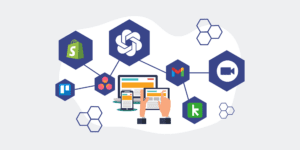
At 4Spot Consulting, our experience, refined over decades of leadership in both startups and Fortune 500 companies, has shown us that true resilience comes from a strategic, integrated approach to automation. We don’t just implement tools; we build an “OpsMesh”—an overarching automation strategy framework that connects disparate systems and processes into a cohesive, intelligent network. This isn’t about applying a one-size-fits-all solution; it’s about conducting a precise “OpsMap” diagnostic to uncover the specific inefficiencies and automation opportunities unique to your business, then custom-building robust systems through “OpsBuild” using powerful platforms like Make.com, Keap, and AI tools.
For example, we’ve helped an HR tech client save over 150 hours per month by automating their resume intake and parsing process using Make.com and AI enrichment, then syncing this critical data directly into their Keap CRM. This wasn’t merely about processing resumes faster; it transformed their recruitment pipeline into a proactive, data-driven system, ensuring they could rapidly identify and engage the best talent without manual bottlenecks. This shift meant their high-value recruiters could focus on building relationships and closing hires, rather than administrative drudgery—a direct contribution to the firm’s strategic growth and ability to attract essential human capital during peak hiring seasons.
From Reaction to Proaction: Embracing a Strategic Future
Embracing automation as a strategic imperative means moving beyond the reactive mindset of merely fixing problems as they arise. It’s about proactively designing systems that reduce human error, minimize operational costs, and provide the scalability needed to seize new opportunities. Our approach ensures that every automation initiative is tied directly to tangible business outcomes and a clear return on investment. We focus on areas like HR and recruiting automation, robust CRM and data backup solutions, consolidating to a single source of truth, and leveraging AI for truly intelligent operations. The goal is simple: to eliminate low-value work for high-value employees, thereby unlocking their potential for creative problem-solving and strategic thinking.
The future of business resilience isn’t found in merely working harder or investing in more siloed technologies. It lies in working smarter, through interconnected, AI-powered automation that acts as the adaptive backbone of your organization. This strategic foresight allows businesses to not only withstand the unpredictable nature of modern markets but to actively shape their destiny, positioning themselves for continuous growth and sustainable competitive advantage. We believe that by saving you 25% of your day through intelligent automation, we empower your team to focus on what truly matters: innovation, strategy, and unparalleled client service.
If you would like to read more, we recommend this article: Unlocking Business Growth with Strategic Automation




RELATED POST