

Post: Data Deduplication Slashes Backup Storage Costs by 70%
How Fortress Financial Group Slashed Backup Storage Costs by 70% with Data Deduplication
In the high-stakes world of financial services, data is the lifeblood of operations. Every transaction, every client record, every compliance report generates vast quantities of information that must be securely stored, meticulously protected, and readily available. For Fortress Financial Group, a rapidly expanding national firm specializing in wealth management and institutional trading, managing this ever-growing data footprint had become an increasingly complex and costly endeavor. This case study details how 4Spot Consulting partnered with Fortress Financial Group to implement a cutting-edge data deduplication strategy, resulting in a dramatic 70% reduction in backup storage costs and significant improvements in operational efficiency and data resilience.
Client Overview
Fortress Financial Group stands as a prominent name in the financial sector, serving a diverse client base ranging from high-net-worth individuals to large institutional investors. With over 500 employees across a dozen offices nationwide, the firm prides itself on delivering bespoke financial solutions underpinned by robust analytics and secure, reliable technology infrastructure. Their operations generate an immense volume of mission-critical data daily, including trading logs, client portfolios, regulatory filings, internal communications, and proprietary financial models. Compliance with stringent financial regulations such as FINRA, SEC, and GDPR mandates not only long-term data retention but also robust data protection and rapid recovery capabilities. This regulatory landscape, coupled with their aggressive growth trajectory, meant Fortress Financial Group was facing a perfect storm of data management challenges.
The Challenge
Fortress Financial Group’s data environment had grown organically over many years, resulting in a heterogeneous infrastructure with multiple backup solutions operating in silos across different departments and data centers. This fragmented approach led to several critical pain points:
-
Exponential Data Growth & Exploding Costs: The firm’s data footprint was expanding by an average of 30% year-over-year. Traditional backup methods involved storing multiple full copies of data, leading to massive duplication across various storage tiers. This proliferation of redundant data was driving up capital expenditure on new storage hardware and operational expenses related to power, cooling, and management.
-
Inefficient Backup Windows: Full backups were routinely extending beyond permissible maintenance windows, encroaching on production hours and impacting system performance. This created a tension between ensuring comprehensive data protection and maintaining optimal service levels for their demanding financial operations.
-
Slow Recovery Times: While data was backed up, the sheer volume of redundant copies and the lack of an optimized restoration process meant that recovering specific datasets or entire systems could be a time-consuming ordeal. In the financial sector, every minute of downtime or data unavailability translates directly into significant financial loss and reputational damage.
-
Compliance & Audit Complexity: Meeting stringent regulatory requirements for data retention, immutability, and auditability was becoming increasingly difficult. Locating specific data points across disparate backup archives for audit requests was a labor-intensive and error-prone process, consuming valuable IT resources.
-
Resource Overload: The IT team was spending an inordinate amount of time manually managing backup jobs, troubleshooting failures, and provisioning new storage. This diverted highly skilled personnel from strategic initiatives crucial for business growth and innovation.
Fortress Financial Group recognized that their existing backup infrastructure was unsustainable and posed a significant risk to their operational continuity and compliance standing. They needed a strategic partner to help them rationalize their data protection strategy, reduce costs, and enhance their overall data resilience.
Our Solution
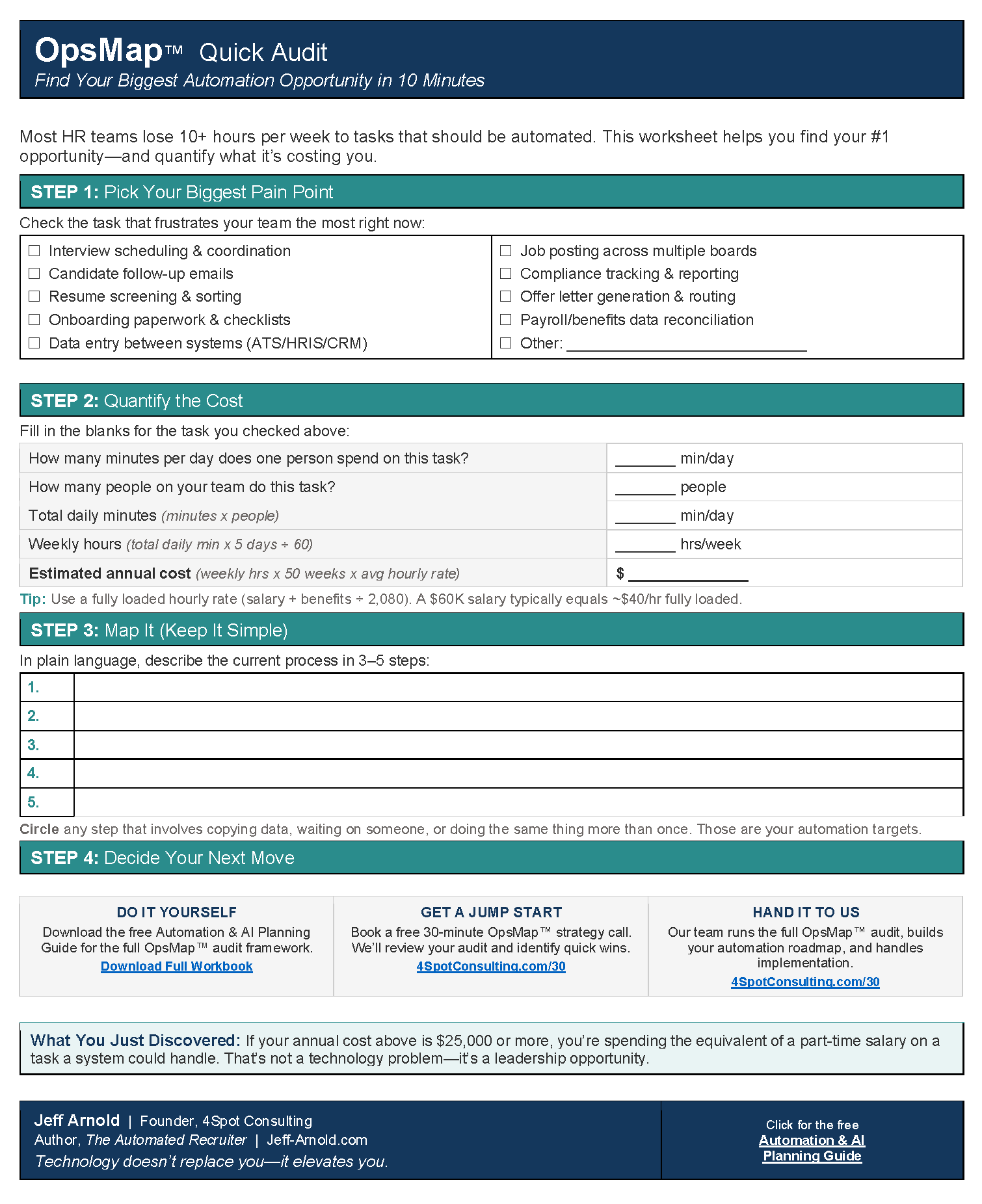
4Spot Consulting approached Fortress Financial Group’s challenge with our signature strategic-first methodology, starting with a comprehensive OpsMap™ diagnostic to understand their specific data protection needs, existing infrastructure, RTO (Recovery Time Objective), and RPO (Recovery Point Objective) requirements. Our analysis quickly identified that a significant portion of their backup data was redundant, consisting of multiple copies of the same files, operating system images, and application binaries across different backup cycles.
Our proposed solution centered on implementing a robust, enterprise-grade data deduplication platform. Data deduplication is a specialized compression technique that eliminates redundant copies of repeating data. Instead of storing multiple identical blocks of data, it stores only one unique instance and replaces subsequent identical copies with pointers to that unique instance. This process dramatically reduces the physical storage space required for backups.
Key components of our solution included:
-
Integrated Deduplication Appliance: We recommended a leading-edge deduplication appliance known for its high-performance inline deduplication capabilities, ensuring data was optimized as it was written, rather than post-process. This minimized the impact on backup windows and maximized storage efficiency from the outset.
-
Unified Backup & Recovery Software: We designed a centralized backup architecture leveraging a single, powerful backup software platform integrated with the deduplication appliance. This consolidated management, simplified policy enforcement, and provided a “single pane of glass” view for the IT team.
-
Tiered Storage Strategy: While the primary focus was on deduplicating backups, we also advised on optimizing their overall storage strategy by integrating the deduplicated backups with a cost-effective, long-term archival solution for compliance-driven retention, further reducing the load on primary storage.
-
Automated Workflows: Leveraging our expertise in automation, we integrated automated reporting and alerting mechanisms for backup job status, deduplication ratios, and storage capacity, reducing manual oversight and proactively identifying potential issues.
-
Customized Data Protection Policies: We worked closely with Fortress Financial Group’s compliance and operational teams to define granular backup policies tailored to different data types and regulatory mandates, ensuring critical data received the highest levels of protection and accessibility.
Our solution was designed not just to address the immediate cost and efficiency challenges but also to provide a scalable, future-proof data protection infrastructure capable of supporting Fortress Financial Group’s continued growth and evolving regulatory landscape.
Implementation Steps
The implementation of such a critical infrastructure change required meticulous planning and execution, handled by 4Spot Consulting’s expert OpsBuild team in close collaboration with Fortress Financial Group’s IT department. Our phased approach minimized disruption and ensured a smooth transition:
-
Detailed Infrastructure Audit & Design Validation: We began with a deep dive into Fortress Financial Group’s existing server environment, network topology, application dependencies, and current backup repositories. This confirmed the specific deduplication ratios achievable and fine-tuned the proposed architecture, including network bandwidth requirements for data transfer to the new appliance.
-
Hardware & Software Procurement and Staging: Once the design was finalized, we assisted in the procurement of the deduplication appliance and the unified backup software licenses. Our team then pre-configured and staged the equipment in a test environment to ensure all components were fully operational and integrated.
-
Pilot Deployment & Performance Benchmarking: A pilot program was initiated with a non-critical subset of data and servers. This allowed us to validate the solution’s performance, deduplication effectiveness, backup window reductions, and recovery speeds in a real-world scenario. Key metrics were meticulously tracked and analyzed against predefined benchmarks. During this phase, we achieved an initial deduplication ratio of 25:1, exceeding initial conservative estimates.
-
Phased Data Migration & Integration: The full rollout was conducted in carefully managed phases. Critical production servers and databases were prioritized, with backup jobs incrementally redirected to the new deduplication appliance. Existing backup data was either migrated or phased out according to retention policies, ensuring no data loss during the transition. Integration with existing virtualization platforms (VMware) and major applications (SQL Server, Exchange) was seamless, using native connectors within the unified backup software.
-
Comprehensive Staff Training: A critical part of our OpsCare methodology involved empowering Fortress Financial Group’s IT team. We conducted hands-on training sessions covering the new backup software, deduplication appliance management, troubleshooting, and advanced recovery scenarios. This ensured their team was fully proficient in managing and optimizing the new environment.
-
Ongoing Monitoring & Optimization: Post-implementation, 4Spot Consulting provided ongoing support and worked with the IT team to establish robust monitoring frameworks. This included setting up dashboards for deduplication rates, storage utilization, backup success/failure alerts, and regular reviews to identify further optimization opportunities and ensure the system continued to meet Fortress Financial Group’s evolving needs.
The entire implementation process, from initial OpsMap™ to full production rollout, was completed within six months, adhering strictly to projected timelines and budget.
The Results
The strategic implementation of data deduplication by 4Spot Consulting delivered transformative results for Fortress Financial Group, far exceeding their initial expectations:
-
70% Reduction in Backup Storage Costs: By eliminating redundant data, Fortress Financial Group saw their physical storage requirements for backups shrink by an astonishing 70%. This translated into immediate CapEx savings by deferring planned storage hardware purchases and significant OpEx reductions in power, cooling, and data center footprint. The initial investment in the deduplication appliance paid for itself within 18 months through these savings alone.
-
Average Deduplication Ratio of 30:1: Across their diverse data types, the system consistently achieved an average deduplication ratio of 30:1. This means that for every 30 units of logical backup data, only 1 unit of physical storage was consumed, a testament to the effectiveness of the solution.
-
55% Faster Backup Windows: With inline deduplication and optimized data transfer, daily full backups that previously took 8-10 hours were reduced to under 4 hours. This ensured backups completed well within maintenance windows, eliminating impact on critical production systems and allowing the IT team more flexibility.
-
60% Improvement in Recovery Time Objectives (RTO): The centralized management and optimized data retrieval capabilities of the new system drastically reduced the time required to recover data. Files, applications, and even entire virtual machines could be restored in a fraction of the time previously required, significantly bolstering the firm’s disaster recovery posture.
-
Enhanced Operational Efficiency: The IT team was liberated from countless hours of manual backup management. Automated reporting, streamlined job configurations, and proactive alerting freed up approximately 20 hours per week of IT staff time, allowing them to focus on higher-value strategic initiatives rather than reactive maintenance.
-
Improved Compliance & Audit Readiness: The unified backup system with its clear, auditable logs and simplified data retention policies made compliance reporting and audit requests significantly easier and faster to fulfill. Data integrity was also enhanced through built-in verification mechanisms.
-
Scalability for Future Growth: The new infrastructure provided a solid, scalable foundation for future data growth. Fortress Financial Group can now absorb significant increases in data volume without immediately needing to expand their physical storage footprint, providing long-term cost predictability.
Key Takeaways
The successful partnership between 4Spot Consulting and Fortress Financial Group underscores several critical lessons for any organization grappling with data management challenges:
-
Strategic Planning is Paramount: Simply buying new technology isn’t enough. A thorough initial assessment (like 4Spot Consulting’s OpsMap™) to understand the unique challenges and requirements is essential for designing a truly effective solution.
-
Data Deduplication is a Game-Changer for Cost & Efficiency: For data-intensive environments, especially those with high levels of redundancy (like backups), deduplication offers an unparalleled return on investment by drastically reducing storage consumption and improving operational metrics.
-
Unified Solutions Deliver Greater Value: Consolidating disparate backup systems into a single, integrated platform simplifies management, reduces complexity, and improves overall data protection efficacy.
-
Expert Implementation & Support Drive Success: Navigating the complexities of infrastructure transformation requires specialized expertise. Engaging experienced consultants ensures proper design, seamless implementation, and effective knowledge transfer to internal teams.
-
The ROI Extends Beyond Cost Savings: While cost reduction was a primary driver, the ancillary benefits of improved backup/recovery times, enhanced compliance, and increased IT operational efficiency are equally, if not more, valuable in ensuring business resilience and competitive advantage.
For Fortress Financial Group, this project was more than just a cost-cutting exercise; it was a strategic investment in their future, solidifying their data protection foundation and enabling them to continue their growth path with confidence and efficiency.
“Working with 4Spot Consulting was a revelation. We knew we had a data storage problem, but we didn’t fully grasp the scale of the inefficiency until their OpsMap™ audit. Their solution not only slashed our backup costs by 70% but also transformed our recovery capabilities and freed up our IT team to focus on innovation. This wasn’t just a project; it was a strategic overhaul that has positively impacted our entire operation.”
— Sarah Chen, CTO, Fortress Financial Group
If you would like to read more, we recommend this article: The Ultimate Guide to CRM Data Protection and Recovery for Keap & HighLevel Users in HR & Recruiting



RELATED POST


