

Post: AI Resume Parsing Case Study: Save Time, Improve Accuracy
Case Study Spotlight: Revolutionizing Recruitment with Successful AI Resume Parsing Implementations
In the high-stakes world of modern recruiting, speed, accuracy, and efficiency are not merely advantages—they are non-negotiable necessities. The traditional methods of sifting through countless resumes, often a manual and error-prone endeavor, simply can’t keep pace with the demands of today’s competitive talent landscape. Business leaders and HR professionals are constantly seeking ways to eliminate bottlenecks, reduce human error, and empower their teams to focus on high-value interactions rather than tedious data entry. This is precisely where AI-powered resume parsing steps in, transforming a historical pain point into a strategic advantage.
At 4Spot Consulting, we’ve witnessed firsthand how a well-executed AI resume parsing implementation can be a game-changer. It’s not just about automating a single task; it’s about establishing a more robust, scalable, and accurate foundation for your entire recruitment ecosystem. We don’t advocate for technology for its own sake; every solution we build is meticulously designed to deliver tangible ROI and contribute directly to your bottom line, freeing up your most valuable assets – your people – to do what they do best.
The Hidden Costs of Manual Resume Processing: A Strategic Overview
Before diving into the success stories, it’s crucial to understand the challenges that AI resume parsing addresses. Think about the lifecycle of a single job application: a candidate submits their resume, it lands in an inbox or ATS, and then a human often spends valuable time manually extracting information—name, contact details, work history, skills, education—to populate a CRM or internal database. This process is ripe for inefficiency and error:
- Time Drain: Recruiters and HR staff are high-value employees whose time should be spent engaging with candidates, not performing clerical data entry. Manual parsing can consume hundreds of hours annually.
- Data Inaccuracy: Typos, missed details, or inconsistent data entry can lead to a fragmented and unreliable candidate database, hindering future outreach and talent matching.
- Scalability Limits: As hiring needs increase, the manual process becomes an insurmountable bottleneck, limiting your ability to process applications quickly and respond to candidates in a timely manner.
- Candidate Experience: Slow processing can translate into a sluggish candidate experience, potentially deterring top talent who expect prompt and professional communication.
These aren’t just minor annoyances; they represent significant operational costs and missed opportunities for businesses striving for growth.
Unpacking Success: Real-World AI Resume Parsing Implementations
When we talk about successful AI resume parsing, we’re not speaking hypothetically. We’re referring to concrete scenarios where businesses have leveraged intelligent automation to achieve remarkable improvements. Consider a high-growth HR tech client we recently partnered with. They were managing thousands of inbound applications monthly, with their team spending an exorbitant amount of time manually transcribing resume data into their Keap CRM and various internal systems. This led to delays, inaccuracies, and significant recruiter burnout.
From Manual Grind to Automated Flow: The Transformation
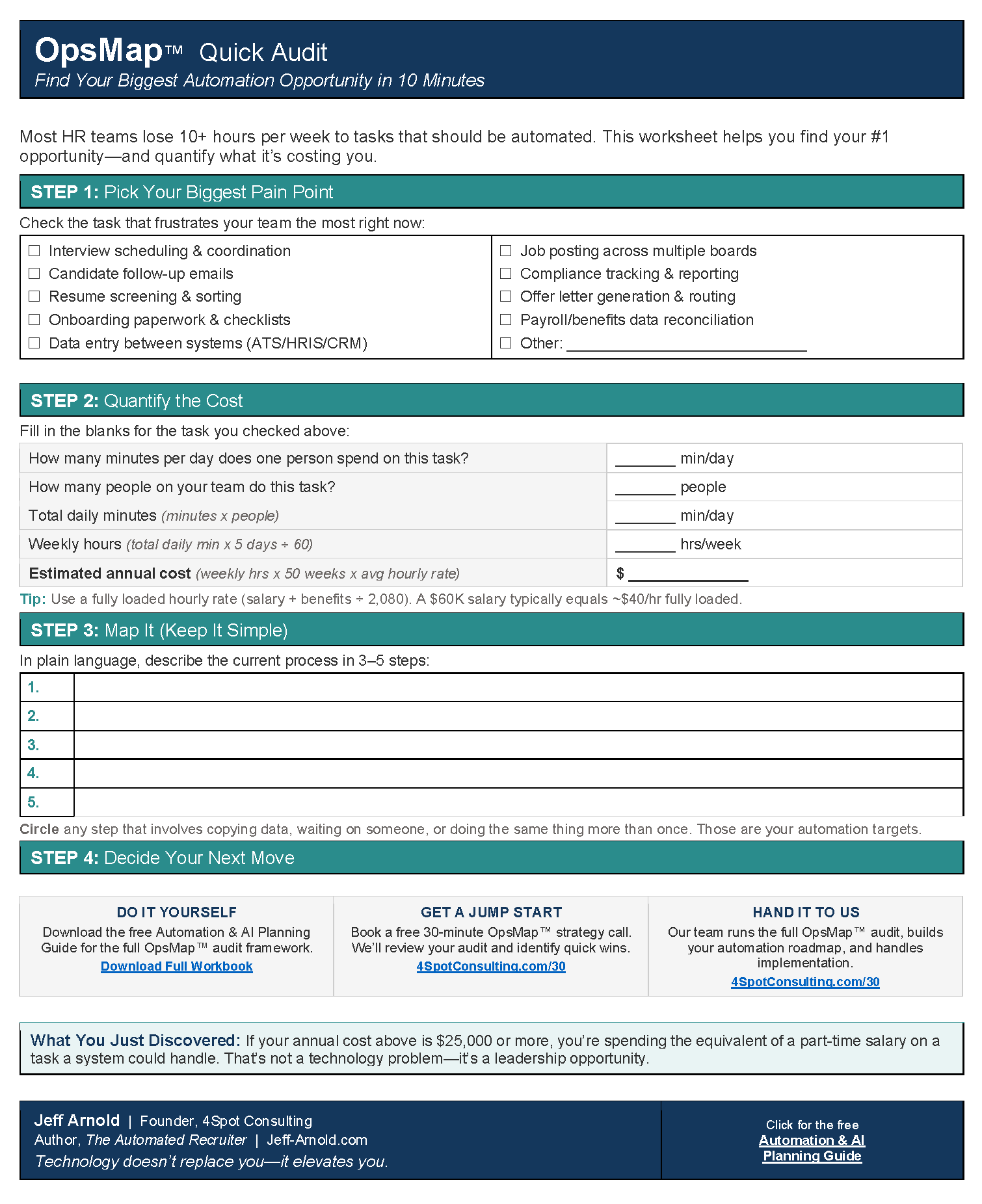
Our approach began with an OpsMap™ diagnostic, strategically mapping their existing processes to pinpoint every inefficiency. We then designed and implemented a custom solution using Make.com (formerly Integromat) as the central orchestration platform. Here’s how it unfolded:
- Intelligent Intake: Candidate resumes, regardless of format (PDF, DOCX), are automatically pulled from various sources.
- AI-Powered Extraction & Enrichment: We integrated advanced AI parsing capabilities that accurately extract key data points—not just contact info, but granular details like specific skills, industry experience, salary expectations, and more. This data is then enriched against pre-defined criteria.
- Seamless CRM Integration: The parsed and enriched data is then automatically pushed into their Keap CRM, populating fields accurately and creating a comprehensive candidate profile without any manual intervention.
- Automated Workflows: Beyond parsing, the system triggers subsequent automated actions, such as sending personalized acknowledgments to candidates, scheduling initial screening questions, or routing top-tier candidates directly to the relevant hiring manager.
The results were transformative. The client was able to save over 150 hours per month that were previously dedicated to manual resume processing. This wasn’t just a cost saving; it freed up their recruiters to spend more time building relationships with candidates, conducting meaningful interviews, and ultimately making better hires faster. Their candidate data integrity improved dramatically, providing a single source of truth for their entire talent pipeline.
Scalability and Accuracy: The Dual Advantage
Another example involves a recruitment firm grappling with rapid expansion. Their existing manual parsing processes couldn’t scale with the influx of new requisitions and applications. They faced the risk of losing valuable candidates in the backlog. By implementing a similar AI-driven parsing system, we enabled them to:
- Process Applications 24/7: The system works tirelessly, ensuring no application is left unaddressed, even outside business hours.
- Maintain Data Quality: AI parsing reduces human error to near zero, ensuring that every data point—from the smallest detail to critical keywords—is captured consistently.
- Enhance Candidate Matching: With structured, accurate data, the firm could then leverage their CRM to perform more sophisticated searches and match candidates to roles with far greater precision, reducing time-to-fill for critical positions.
These implementations underscore a critical truth: AI resume parsing isn’t just about cutting costs; it’s about building a more resilient, scalable, and intelligent recruitment operation that directly contributes to business growth and competitive advantage.
Beyond the Hype: Strategic Implementation for Tangible ROI
The success of AI resume parsing isn’t just about deploying a tool; it’s about a strategic approach to automation. At 4Spot Consulting, we emphasize that technology is only as good as the strategy behind it. Our OpsMesh framework ensures that any automation isn’t an isolated fix but an integrated component of a larger, more efficient operational ecosystem. We don’t just implement; we build solutions that integrate seamlessly with your existing tech stack (CRM, ATS, communication tools) and deliver measurable ROI. We focus on eliminating the low-value work that burdens high-value employees, thereby saving you 25% of your day.
If your HR or recruiting teams are still bogged down by manual resume processing, it’s time to explore the proven benefits of AI. The successful implementations we’ve spearheaded demonstrate a clear path to reclaiming time, improving accuracy, and enhancing your overall talent acquisition strategy. It’s an investment that pays dividends in efficiency, employee satisfaction, and ultimately, your bottom line.
If you would like to read more, we recommend this article: Field-by-Field Change History: Unlocking Unbreakable HR & Recruiting CRM Data Integrity


RELATED POST


