Cut Time-to-Hire and Boost Quality with RecOps Automation

2026-04-16T15:08:03-08:00AI in Recruiting & Talent Acquisition, HR Automation|

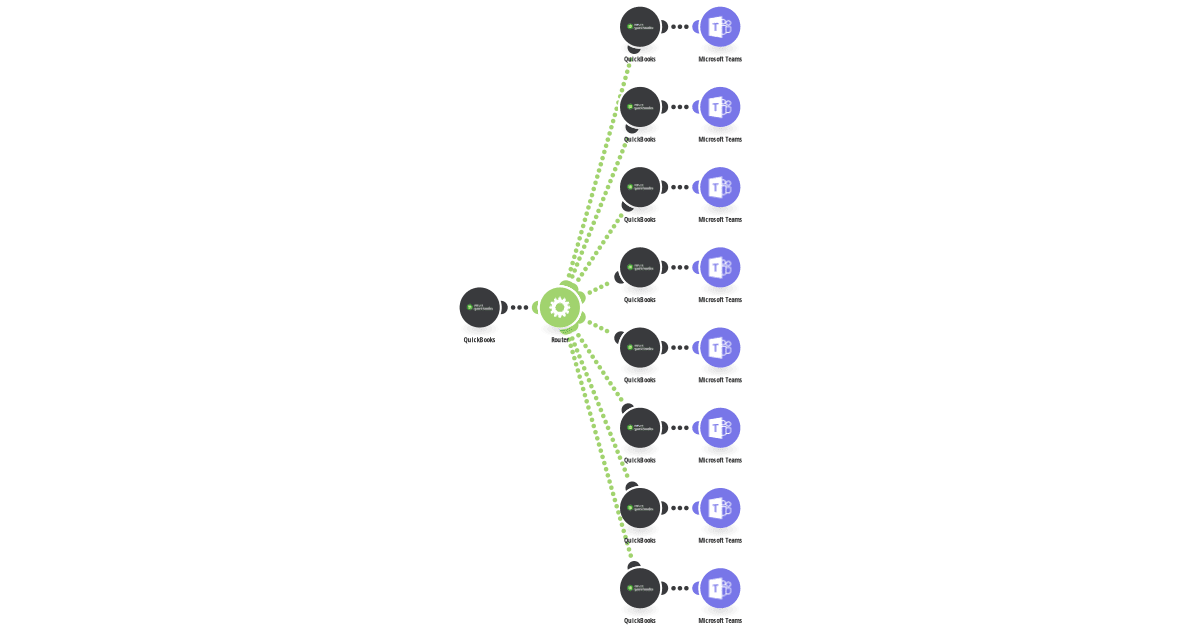
Recruiting operations automation delivers its fastest ROI by eliminating the administrative bottlenecks that delay every stage of the hiring funnel — not by replacing recruiters, but by removing the work that prevents them from doing their jobs. These nine RecOps automations, ranked by measurable impact, are the difference between a 30-day close and a 60-day one.

Make.com: Build Robust, Scalable Data Pipelines Fast

2026-04-16T15:08:08-08:00AI in Recruiting & Talent Acquisition, HR Automation|

Make.com™ is the definitive visual platform for building robust, scalable data pipelines without code. Its canvas-based scenario builder handles multi-branch conditional logic, iterative data transformation, and real-time error recovery that simpler trigger-action tools cannot replicate. Teams that adopt Make.com™ for ETL workflows eliminate manual data handling and reduce the operational errors that cost organizations tens of thousands of dollars per incident.

Make.com vs. Zapier for Business Scaling (2026): Which Automation Platform Future-Proofs Growth?

2026-04-16T15:08:06-08:00AI in Recruiting & Talent Acquisition, HR Automation|

Make.com™ is the platform for scaling businesses with complex, multi-branch workflows, high-volume data, and conditional logic that linear tools cannot handle. Zapier suits rapid deployment of simple, trigger-action automations across a wide app library. Choose Make.com™ when your processes branch; choose Zapier when speed of setup outweighs depth of control.

9 Ways to Quantify the ROI of Automation for Your Business in 2026

2026-04-16T15:08:01-08:00AI in Recruiting & Talent Acquisition, HR Automation|

Automation ROI is measurable, not theoretical. The nine metrics below cover time reclaimed, error costs eliminated, recruiting cycle savings, and compounding throughput gains. Apply them in sequence—starting with your highest-volume manual process—and your first automation scenario typically pays for the entire platform within 60 days.

9 Social Media Automation Workflows That Save Your Marketing Team Hours Every Week (2026)

2026-04-16T00:29:48-08:00AI in Recruiting & Talent Acquisition, HR Automation|

Social media automation is not about scheduling tools — it is about eliminating the manual handoffs that fragment your content pipeline. The nine workflows below rank by time reclaimed per week. Multi-branch logic (approvals, platform-specific formatting, repurposing) belongs on Make.com™. Simple trigger-action posts belong on lighter platforms. Build the pipeline first, add AI at the judgment points.

Make.com vs Zapier for Payroll Automation (2026): Which Platform Handles Payroll Better?

2026-04-16T00:29:21-08:00AI in Recruiting & Talent Acquisition, HR Automation|

For payroll automation, Make.com™ wins on complex, multi-branch workflows — variable pay, multi-source data merges, conditional tax logic, and error recovery. Zapier wins on fast deployment for linear tasks: new-hire roster sync, timesheet notifications, and approval alerts. If your payroll has conditional rules and multi-system data, choose Make.com™. If it is linear and predictable, Zapier is faster to ship.

9 Advanced Conditional Logic Techniques in Make.com for Smarter Automations (2026)

2026-04-16T00:28:56-08:00AI in Recruiting & Talent Acquisition, HR Automation|

Make.com™ conditional logic goes far beyond simple filters. The nine techniques here — from nested routers and regex pattern matching to error-path branching and iterator-level conditionals — are what separate brittle automations from production-grade scenarios that self-correct, adapt to dynamic data, and scale without manual intervention.

How to Use HR Analytics for Succession Planning: A Step-by-Step Leadership Pipeline Guide

2026-04-15T05:51:32-08:00AI in Recruiting & Talent Acquisition, HR Automation|

Data-driven succession planning replaces gut-feel nominations with a repeatable analytics pipeline: audit your talent data, define measurable leadership competencies, score employees against predictive models, map development pathways, and review the bench every quarter. Organizations that follow this sequence identify high-potential leaders earlier, fill critical roles faster, and reduce the business disruption that follows unplanned departures.

Make vs. Zapier for HR Automation: Deep Comparison

2026-04-16T00:28:35-08:00AI in Recruiting & Talent Acquisition, HR Automation|

Choosing between Make and Zapier for HR automation is a workflow architecture decision, not a feature checklist. Linear trigger-action processes belong on Zapier. Multi-branch conditional logic belongs on Make. Build the automation spine first. Deploy AI only at the specific judgment points where deterministic rules fail. That sequence separates sustained ROI from expensive pilot failures.

How to Audit Your Keap HR Campaigns: Compliance, Ethics, and Strategic Impact

2026-04-16T15:07:40-08:00AI in Recruiting & Talent Acquisition, HR Automation|

A Keap HR campaign audit has six mandatory checkpoints: data privacy and consent, message and language bias, tag and list hygiene, sequence logic integrity, integration data flows, and performance measurement. Running this audit quarterly eliminates compliance exposure, catches discriminatory language before it reaches candidates, and surfaces broken automation that silently kills recruiting ROI.

7 Ways to Automate Post-Interview Feedback Collection with Make.com in 2026

2026-04-15T23:38:37-08:00AI in Recruiting & Talent Acquisition, HR Automation|

Post-interview feedback fails because it is manual, slow, and inconsistent — not because interviewers lack opinions. Automating the collection loop with Make.com™ fixes all three: feedback forms trigger instantly after the calendar event ends, responses route directly into your ATS, and hiring managers get structured summaries without a single follow-up email. The result is faster decisions and cleaner hiring data.

What Is Low-Code Recruitment Automation? The Make.com & Keap Definition

2026-04-15T23:03:12-08:00AI in Recruiting & Talent Acquisition, HR Automation|

Low-code recruitment automation is the practice of building deterministic, trigger-based hiring workflows using visual platforms — not custom code — so that every candidate handoff, status update, and follow-up sequence runs without manual intervention. When Make.com™ orchestrates data across Keap and the rest of the recruiting stack, teams replace reactive admin work with structured, repeatable pipelines.

9 Conditional Logic Rules That Make Interview Scheduling Automatic in 2026

2026-04-15T23:43:56-08:00AI in Recruiting & Talent Acquisition, HR Automation|

Interview scheduling breaks because it relies on humans making the same routing decision hundreds of times. Nine conditional logic rules inside your automation platform eliminate that bottleneck — branching candidates to the right stage, panel, and format based on experience level, role type, assessment score, and more. Build the rules once; the workflow runs indefinitely without recruiter input.

How to Build a DPO-Led HR Data Protection Program: A Practical Guide

2026-04-15T23:32:25-08:00AI in Recruiting & Talent Acquisition, HR Automation|

A DPO-led HR data protection program requires four structural controls built in sequence: a living data inventory, DPIA workflows for every new HR system, documented policies for access and retention, and a tested breach response protocol. Organizations that execute this sequence reduce regulatory exposure and rebuild employee trust before any AI tool enters the picture.

Fix Stubborn HR Payroll Errors Using Scenario Recreation

2026-04-15T23:35:04-08:00AI in Recruiting & Talent Acquisition, HR Automation|

Scenario recreation is the fastest path to fixing stubborn HR payroll errors because it isolates the exact data conditions, rule interactions, and system touchpoints that produced the failure — in a controlled environment, before the next pay cycle. These 9 techniques turn opaque, recurring errors into traceable, correctable events with full audit evidence.

How to Build a Data-Driven HR Culture: A Leader’s Roadmap

2026-04-15T11:32:21-08:00AI in Recruiting & Talent Acquisition, HR Automation|

Building a data-driven HR culture requires five sequential moves: clean data infrastructure, clear governance, analytics literacy across the HR team, automated reporting pipelines, and executive alignment on metrics that tie to revenue. Skip the infrastructure phase and every downstream insight is unreliable. Get the sequence right and HR stops being a cost center and starts driving board-level decisions.

How to Map a Keap Recruitment Funnel: Attract and Hire Top Talent

2026-04-16T15:07:14-08:00AI in Recruiting & Talent Acquisition, HR Automation|

A Keap™ recruitment funnel moves candidates from first click to signed offer without manual chase. Build it in six steps: capture with tagged web forms, trigger instant nurture sequences, score and segment by role fit, automate interview scheduling, stage pipeline milestones, and activate onboarding on acceptance. Every stage runs on workflow logic, not recruiter memory.

DPIAs for HR Tech: Assess Privacy Risk & Ensure Compliance

2026-04-15T23:33:27-08:00AI in Recruiting & Talent Acquisition, HR Automation|

A Data Privacy Impact Assessment run before HR tech deployment is not a compliance checkbox — it is the primary mechanism for catching high-risk data flows before they become regulatory liability. Organizations that execute DPIAs at the scoping stage, not after go-live, eliminate the conditions that produce GDPR fines, employee trust failures, and remediation costs that dwarf the original technology investment.

Granular Audit Logging vs. Basic Logging for HR Security (2026): Which Actually Protects You?

2026-04-15T23:36:57-08:00AI in Recruiting & Talent Acquisition, HR Automation|

Basic audit logging records that an event happened. Granular audit logging records who acted, on which field, from which device, at what time, and with what result — turning a vague timestamp into a legally defensible evidence chain. For any HR operation subject to GDPR, CCPA, or HIPAA, granular logging is the minimum viable standard, not a premium option.

Make.com: Build Clean HR Data Pipelines for Smarter Analytics

2026-04-15T23:44:40-08:00AI in Recruiting & Talent Acquisition, HR Automation|

HR analytics fails at the data layer, not the insight layer. Eight automation strategies — from duplicate detection and format standardization to missing-field enrichment and cross-system validation — turn Make.com™ into the enforcement engine that keeps every record clean before it reaches a dashboard or AI model. Build the pipeline once; every downstream decision benefits permanently.

Automate Reference Checks: 9 Make.com Workflows That Cut Days Off Your Hiring Cycle

2026-04-15T23:39:05-08:00AI in Recruiting & Talent Acquisition, HR Automation|

Reference checks are the last manual bottleneck in a modern hiring pipeline. Automating them with Make.com™ eliminates coordinator overhead, standardizes every referee's question set, and delivers structured feedback directly into your ATS—typically cutting reference turnaround from five-plus days to under 24 hours. These nine workflows cover every stage from request to report.

How to Automate Candidate Pre-Screening and Qualification with Make.com and Keap

2026-04-15T22:58:41-08:00AI in Recruiting & Talent Acquisition, HR Automation|

Automate candidate pre-screening by routing application-form submissions through Make.com™ into Keap, scoring answers against hard criteria, applying qualification tags, and branching candidates into the right pipeline stage — all before a recruiter touches the record. The result is a deterministic filter that cuts manual triage hours and keeps only qualified candidates moving forward.

Make.com Modules vs. Manual HR Workflows (2026): Which Builds Better HR AI Applications?

2026-04-15T23:17:53-08:00AI in Recruiting & Talent Acquisition, HR Automation|

Make.com™ module-driven HR AI workflows outperform manual processes on every measurable dimension — speed, accuracy, scalability, and cost. Webhooks, HTTP/API, Iterators, Aggregators, and the Text Parser form the core module stack that turns fragmented HR data into intelligent, automated decisions. Manual handling cannot compete once headcount scales past ten open roles simultaneously.

HR Data Privacy: Executive Guide to Analytics and GDPR

2026-04-15T11:32:25-08:00AI in Recruiting & Talent Acquisition, HR Automation|

HR analytics creates competitive advantage only when executives treat data privacy as foundational infrastructure — not a compliance afterthought. Organizations that embed privacy-by-design into every HR data pipeline before deploying AI-driven workforce analytics avoid regulatory penalties, preserve employee trust, and extract more accurate insights because employees actually cooperate with the data process.

9 Make™ Filtering Strategies for Precision Recruitment in 2026

2026-04-15T23:44:03-08:00AI in Recruiting & Talent Acquisition, HR Automation|

Make™ filtering is the difference between a hiring pipeline that works and one that buries your team in noise. These 9 strategies — ranked by recruiter impact — turn raw application data into precision-routed candidate queues, eliminate duplicate records, enforce data standards, and free recruiters to do the work only humans can do. Build the filters first; deploy AI second.

Keap for Recruiting: Powering Intelligent Talent Acquisition

2026-04-16T15:07:56-08:00AI in Recruiting & Talent Acquisition, HR Automation|

Recruiting teams that treat Keap as a CRM bolt-on instead of an automation operating system leave their pipelines leaking candidates and their recruiters buried in manual tasks. When a 45-person recruiting firm structured Keap around deliberate workflows, tag architecture, and sequenced follow-up, they recovered $312,000 in annual capacity and hit 207% ROI in 12 months.

60% Fewer HR Support Tickets with Make.com™ & AI: How Sarah Automated Employee Q&A

2026-04-15T23:14:59-08:00AI in Recruiting & Talent Acquisition, HR Automation|

Repetitive employee questions — PTO policies, benefits enrollment, onboarding steps — were consuming 12 hours a week of Sarah's HR calendar. By deploying a Make.com™-orchestrated AI knowledge-base workflow, her team cut inbound support tickets by 60%, reclaimed 6 hours per week, and delivered consistent answers in under 10 seconds. Structure before intelligence is the only sequence that works.

Make.com vs Zapier for HR Automation (2026): Which Is Better for Recruiters?

2026-04-15T23:39:11-08:00AI in Recruiting & Talent Acquisition, HR Automation|

For recruiters running multi-step hiring workflows—conditional screening, ATS sync, offer automation—Make.com™ wins on logic depth, data control, and cost per operation. Zapier wins on setup speed and app breadth for simple trigger-action tasks. Choose Make.com™ when workflow complexity matters; choose Zapier when you need a single integration live in under ten minutes.

SCCs for HR: Secure Global Employee Data Transfers

2026-04-15T23:33:25-08:00AI in Recruiting & Talent Acquisition, HR Automation|

Standard Contractual Clauses are the legal mechanism that keeps global HR data transfers GDPR-compliant when no adequacy decision exists. They require more than signature — they demand data mapping, Transfer Impact Assessments, supplementary technical controls, and enforceable vendor obligations. Organizations that treat SCCs as paperwork lose audits. Organizations that operationalize them retain them.

10 Ways HR Analytics Prepares Executives for Workforce Disruption in 2026

2026-04-15T05:51:19-08:00AI in Recruiting & Talent Acquisition, HR Automation|

HR analytics transforms executive decision-making from reactive to predictive. The ten strategies below — from skill-gap forecasting and attrition modeling to DEI accountability and M&A due diligence — give leaders the data infrastructure needed to anticipate disruption, allocate talent precisely, and protect revenue before workforce crises compound into financial ones.

Go to Top