What Is ATS Troubleshooting? Diagnosing Applicant Tracking System Failures

2026-04-15T23:37:17-08:00AI in Recruiting & Talent Acquisition, HR Automation|

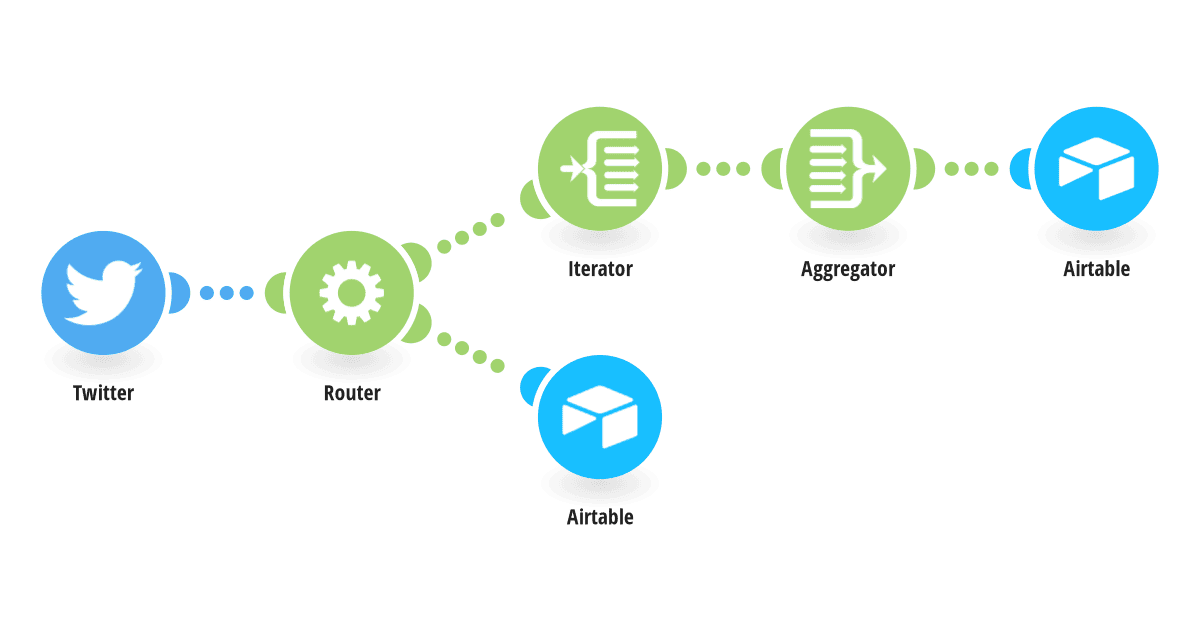
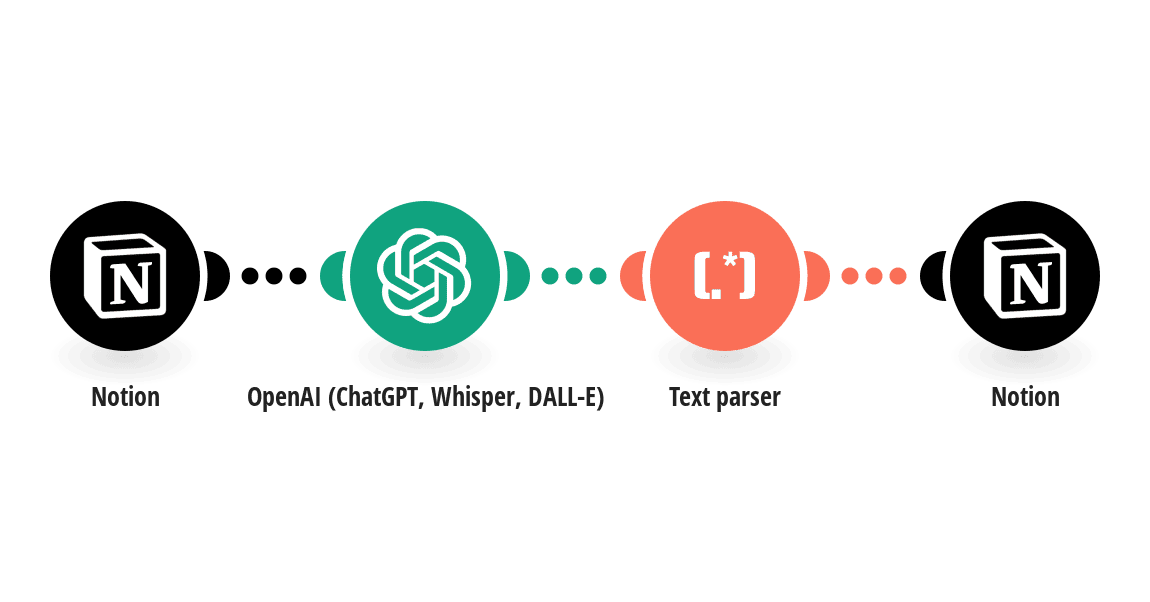
ATS troubleshooting is the structured discipline of identifying root causes behind applicant tracking system failures — from silent application rejections to broken integrations — and resolving them before they corrupt hiring data or expose your organization to compliance liability. Every failure has a traceable trigger. The organizations that find it fastest are the ones with execution logs, field-mapping audits, and a systematic debugging protocol already in place.

Automate HR Data Entry with Make.com and Vision AI

2026-04-15T23:12:48-08:00AI in Recruiting & Talent Acquisition, HR Automation|

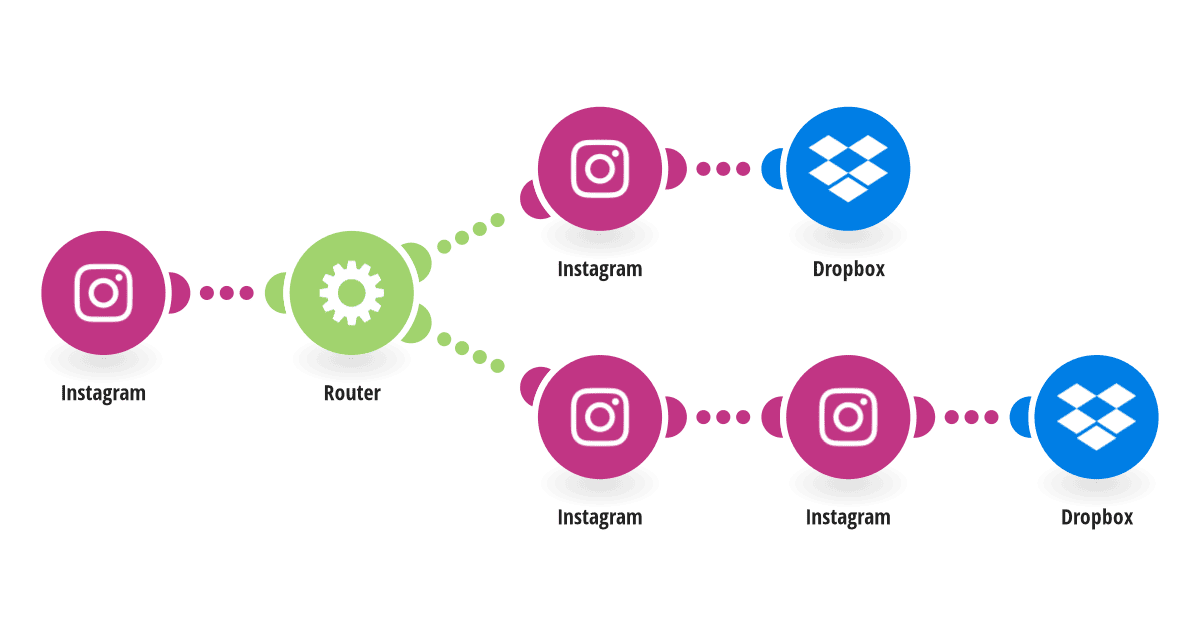
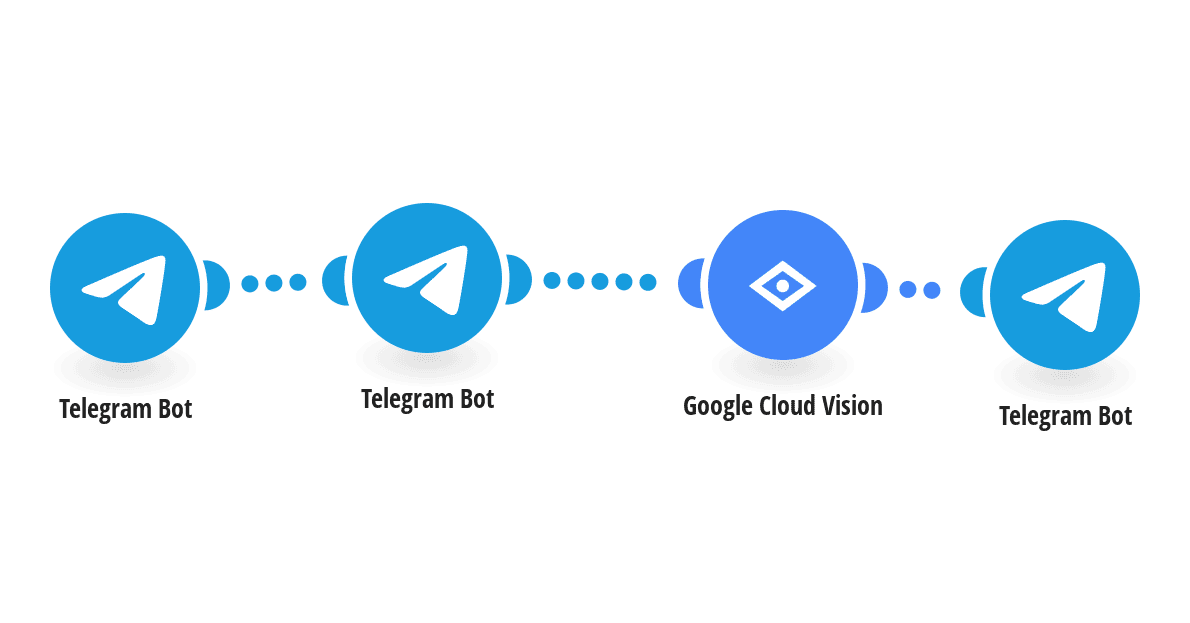
Manual HR data entry is not an efficiency problem — it is a structural failure that intelligent automation solves permanently. By connecting Vision AI to Make.com™, HR teams extract, validate, and route document data without human transcription. The result is near-zero keying errors, faster cycle times, and HR staff redirected to work that actually requires judgment.

Make.com for Recruiters: 11 CRM Integration Workflows That Cut Time-to-Hire in 2026

2026-04-15T23:38:40-08:00AI in Recruiting & Talent Acquisition, HR Automation|

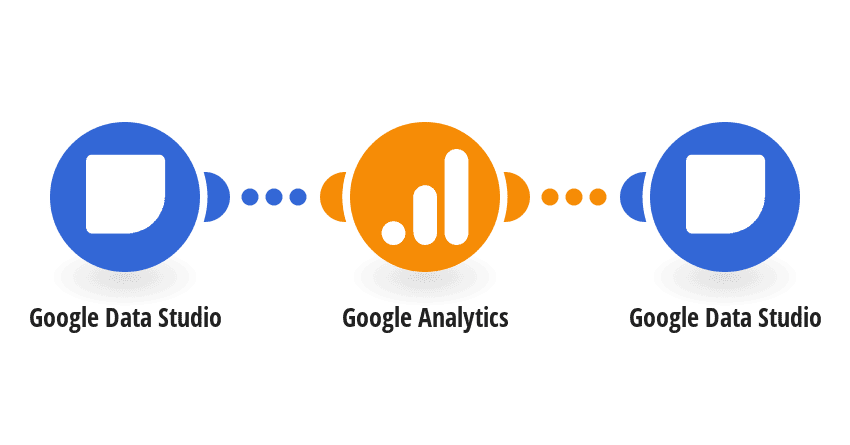
Recruitment CRM integration with Make.com™ solves the core problem most hiring teams ignore: data scattered across five systems that never talk to each other. These 11 workflows connect your ATS, CRM, calendar, communication tools, and onboarding stack into a single automated pipeline — eliminating manual entry, missed follow-ups, and the offer errors that cost you candidates.

7 Ways to Automate Candidate Feedback Collection with Make.com and Keap in 2026

2026-04-15T22:56:37-08:00AI in Recruiting & Talent Acquisition, HR Automation|

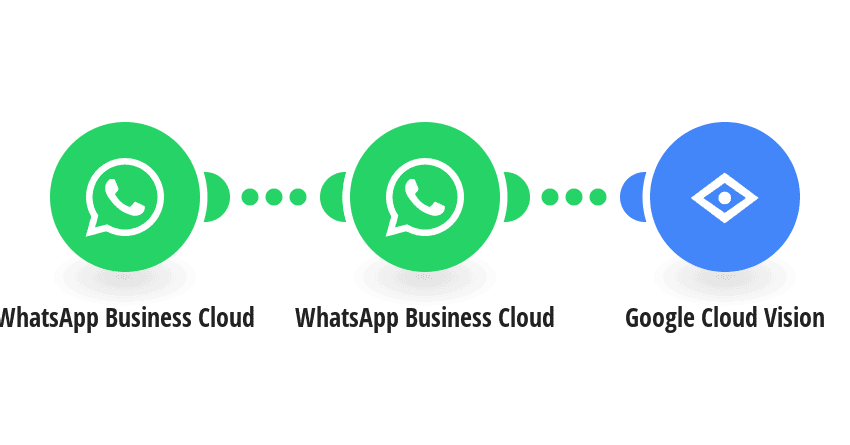
Automated candidate feedback collection closes the single biggest gap in most recruiting pipelines: the lag between an interview and a documented decision. These 7 Make.com™ and Keap workflows eliminate manual follow-up, standardize evaluator input, route data to the right people instantly, and protect candidate experience — all without adding headcount or relying on memory.

Cybersecurity for HR: Safeguard Sensitive Employee Data

2026-04-15T23:32:28-08:00AI in Recruiting & Talent Acquisition, HR Automation|

HR departments hold more sensitive data than almost any other business function — and are breached because they treat cybersecurity as an IT problem. Securing employee data requires seven structural controls: data minimization, access governance, encryption, training, vendor vetting, incident response, and continuous audit. Build those first. Technology is the enforcement layer, not the strategy.

7 Duplicate Candidate Filters to Build in Make for Cleaner Talent Pipelines in 2026

2026-04-15T23:44:33-08:00AI in Recruiting & Talent Acquisition, HR Automation|

Duplicate candidate records waste recruiter hours, corrupt hiring metrics, and create a fractured candidate experience. The fix is proactive: build duplicate-detection filters inside your automation platform before data ever touches your ATS. These 7 Make™ workflow patterns eliminate duplicates at the source, ranked from simplest to most comprehensive.

8 Ways to Supercharge Employee Referrals with Keap Automation in 2026

2026-04-16T15:06:53-08:00AI in Recruiting & Talent Acquisition, HR Automation|

Employee referral programs fail because of administrative friction, not lack of interest. Keap automation eliminates that friction by centralizing submissions, triggering personalized communication sequences, and tracking reward milestones without manual intervention. These 8 workflows turn a fragmented referral process into a self-running talent pipeline that consistently delivers pre-vetted, high-retention hires.

Master HR Data: Drive Strategic Insight and Competitive Edge

2026-04-15T11:32:21-08:00AI in Recruiting & Talent Acquisition, HR Automation|

HR data mastery is a six-step operational discipline: audit what you have, fix what is broken, consolidate across systems, define metrics that map to business outcomes, automate the pipeline, and build dashboards executives act on. Organizations that complete this sequence shift HR from a reporting function into a revenue-relevant decision engine.

How to Build Audit Logs That Make HR Automation Trustworthy and Defensible

2026-04-15T23:35:34-08:00AI in Recruiting & Talent Acquisition, HR Automation|

Audit logs are not a compliance checkbox — they are the structural spine that makes every automated HR decision observable, correctable, and legally defensible. Build them before you scale automation. Capture the who, what, when, where, and how of every system action. Without that foundation, your automation is a black box that regulators, auditors, and employees will not trust.

9 Clean HR Data Workflows That Turn Make.com™ Into a Strategic HR Asset in 2026

2026-04-15T23:44:20-08:00AI in Recruiting & Talent Acquisition, HR Automation|

Clean HR data is not a data team problem — it is an HR leadership problem. These 9 Make.com™ workflows eliminate duplicate records, fix field-mapping mismatches, enforce onboarding validation, and keep your ATS, HRIS, and payroll in sync. The result: analytics your leadership will trust and a recruiting operation that scales without adding headcount.

9 Proven ROI Wins from Make.com™ AI Workflows in HR (2026)

2026-04-15T23:07:46-08:00AI in Recruiting & Talent Acquisition, HR Automation|

Make.com™ AI workflows deliver measurable ROI in HR by eliminating manual data entry errors, collapsing time-to-hire, and freeing recruiters for strategic work. The nine returns below are ranked by financial impact — from hard-dollar error prevention to retention gains — and every figure ties to a real scenario or published benchmark, not a vendor projection.

Make.com Pre-Screening Automation: Filter Candidates Fast

2026-04-15T23:39:18-08:00AI in Recruiting & Talent Acquisition, HR Automation|

Pre-screening automation built on Make.com™ eliminates the bottleneck between application submission and recruiter review. The best workflows layer hard-filter logic, AI-powered parsing, and instant candidate communication so recruiters spend time on humans worth talking to—not on resumes that never qualified. Nine workflows cover every stage of the filter funnel.

AI HR Analytics: Predictive Insights for Executive Strategy

2026-04-15T11:32:28-08:00AI in Recruiting & Talent Acquisition, HR Automation|

AI HR analytics stops being a reporting tool and starts being a decision engine the moment executives stop asking "what happened" and start asking "what will happen next." This case study documents how one regional healthcare HR director replaced manual reporting with automated predictive pipelines — cutting hiring time 60%, reclaiming 6 hours per week, and surfacing attrition signals before they became vacancies.

What Is HR Execution History? The Data Layer Behind Process Excellence

2026-04-15T23:37:35-08:00AI in Recruiting & Talent Acquisition, HR Automation|

HR execution history is the granular, timestamped log of every step, actor, and decision inside an automated HR workflow — from offer-letter triggers to onboarding task completions. It transforms vague outcome metrics into forensic process visibility, making bottlenecks diagnosable, errors correctable, and decisions defensible to regulators and candidates alike.

How to Handle HR Right to Be Forgotten Requests: A Compliance Playbook

2026-04-15T23:32:14-08:00AI in Recruiting & Talent Acquisition, HR Automation|

HR teams that receive a Right to Be Forgotten request must work through five non-negotiable steps: verify the requester's identity, map every system holding their data, apply legal-hold exceptions, execute deletion across all repositories, and document the outcome. Skipping any step creates audit exposure and regulatory risk under GDPR, CCPA/CPRA, and state-level equivalents.

Scale Recruitment Faster with Keap and Make.com Automation

2026-04-15T23:00:25-08:00AI in Recruiting & Talent Acquisition, HR Automation|

A 45-person recruiting firm eliminated nine categories of manual work by connecting Keap to every system in its pipeline through Make.com™ automation. The result: $312,000 in annual savings, 207% ROI inside 12 months, and recruiters redirected from data entry to revenue-generating placement activity. Structured automation built before AI is the correct sequence.

How to Customize AI Models in Make.com for HR: A No-Code Implementation Guide

2026-04-15T23:12:00-08:00AI in Recruiting & Talent Acquisition, HR Automation|

HR teams can configure AI models directly inside Make.com™ without coding by connecting pre-built AI service modules to existing HRIS, ATS, and communication platforms through a visual scenario builder. The process follows five steps: define the HR trigger, select an AI module, map your data fields, set routing logic, and activate monitoring. Structure first, AI second — every time.

Keap SMS Campaigns: Recruit Faster & Improve Engagement

2026-04-16T15:06:50-08:00AI in Recruiting & Talent Acquisition, HR Automation|

Keap SMS campaigns are the fastest way to eliminate candidate ghosting and reduce time-to-hire. SMS open rates exceed 90% — dwarfing email — and Keap's tag-based automation delivers the right message at the right stage without manual follow-up. These nine tactics transform SMS from a novelty channel into the structural backbone of your recruiting pipeline.

HR System Data Migration Checklist: Governance Plan

2026-04-16T00:01:15-08:00AI in Recruiting & Talent Acquisition, HR Automation|

HR data migration fails when governance is bolted on after the move, not built in before it. The checklist mindset—run a script, validate a row count, close the ticket—guarantees you inherit every bad data habit your old system had. Govern first, migrate second: that sequence determines whether your new HRIS becomes a strategic asset or a liability with a shiny interface.

HR Data Access Controls Audit: Frequently Asked Questions

2026-04-16T00:00:34-08:00AI in Recruiting & Talent Acquisition, HR Automation|

An HR data access controls audit systematically verifies who can reach sensitive employee data, whether that access is justified, and whether controls meet GDPR, CCPA, and internal policy requirements. Audits conducted quarterly for high-risk systems — and annually at minimum for all HR platforms — are the baseline that separates defensible governance from regulatory exposure.

Global Data Privacy Laws: HR Compliance for GDPR & PIPL

2026-04-16T00:00:43-08:00AI in Recruiting & Talent Acquisition, HR Automation|

Global HR data privacy compliance is not a legal checkbox — it is the structural foundation that determines whether your HR automation and AI projects survive regulatory scrutiny. GDPR, PIPL, and the expanding patchwork of state laws share one demand: HR systems must be built for accountability before they are built for efficiency.

AI HR Data Governance: Fortify Security and Compliance

2026-04-16T00:00:17-08:00AI in Recruiting & Talent Acquisition, HR Automation|

AI strengthens HR data governance by automating data classification, detecting access anomalies in real time, enforcing retention schedules, and generating audit trails no manual process can match. The prerequisite is structural: clean pipelines, role-based access, and documented policies must exist before AI touches a single employee record.

HR Data Silos: Frequently Asked Questions

2026-04-16T00:00:07-08:00AI in Recruiting & Talent Acquisition, HR Automation|

HR data silos form when systems, departments, and acquisition histories accumulate data without shared definitions, ownership, or pipelines. Governance — not more technology — is the fix. Define ownership, standardize records, automate data flows, and enforce access controls. Every other HR analytics or AI initiative depends on solving this first.

HR Data Governance: Frequently Asked Questions

2026-04-15T23:59:59-08:00AI in Recruiting & Talent Acquisition, HR Automation|

HR data governance is the structural foundation that determines whether your people data drives strategy or creates liability. Without defined ownership, quality standards, and access controls in place before AI or analytics touches employee records, compliance failures and biased decisions are inevitable — not accidental.

What Is HR Data Transparency? Building Employee Trust Through Open Data Practices

2026-04-15T23:59:31-08:00AI in Recruiting & Talent Acquisition, HR Automation|

HR data transparency is the systematic practice of disclosing to employees what personal data is collected, the purpose behind collection, how the data is used, who accesses it, and how long it is retained — paired with enforceable controls that back those disclosures. Transparency is not a communications exercise; it is a structural governance commitment that determines whether employees trust the systems that evaluate, compensate, and advance them.

HR Data Governance Maturity Model: Stages and Assessment

2026-04-15T23:59:02-08:00AI in Recruiting & Talent Acquisition, HR Automation|

An HR data governance maturity model is a five-stage diagnostic framework that maps how systematically an organization collects, controls, and activates employee data. Most HR teams start reactive and siloed. Advancing to defined or optimized governance unlocks predictive analytics, eliminates compliance exposure, and builds the audit trails AI-driven HR tools require to function responsibly.

Data Governance Culture in HR: Build Trust & Accountability

2026-04-15T23:59:12-08:00AI in Recruiting & Talent Acquisition, HR Automation|

HR data governance culture is the shared set of values, behaviors, and accountability norms that govern how every person in an HR function handles employee data — every day, not just during audits. Technology and policy create the rails; culture determines whether anyone actually stays on them. Organizations that embed governance into daily HR behavior reduce breach risk, improve data quality, and make AI-ready decisions faster than those relying on compliance checklists alone.

Secure HR Data: Compliance with GDPR, CCPA, and Global Laws

2026-04-15T23:58:20-08:00AI in Recruiting & Talent Acquisition, HR Automation|

GDPR is the most demanding HR data protection law globally — broader in scope, harsher in penalties, and more prescriptive about employee consent than any U.S. or APAC equivalent. CCPA and its successors add meaningful domestic obligations but are narrower. Multinational HR teams must treat GDPR as their compliance floor, then layer regional rules on top.

HR Data Breach Governance: Prepare Your Systems Now

2026-04-15T23:58:42-08:00AI in Recruiting & Talent Acquisition, HR Automation|

HR data breach governance is the pre-incident framework of policies, access controls, data mapping, and accountability structures that determines how fast an organization contains a breach and how little damage it sustains. Organizations that build this framework before an incident occurs face dramatically lower regulatory exposure, faster recovery, and measurably stronger employee trust.

Go to Top