
Blog
Keap Contact Deletion Recovery: 10 Steps for HR Data Integrity
Deleted Keap contacts? HR and recruiting teams must act fast. Follow 10 essential steps for Keap contact deletion recovery, conducting root cause analysis, and implementing secure data backups immediately.
What Are AI Ethics Guidelines for Recruitment? The HR Compliance Framework Explained
AI ethics guidelines for recruitment are formal frameworks that govern how artificial intelligence may be used in hiring decisions — mandating transparency, bias mitigation, human oversight, and data privacy protections. Every organization running AI-assisted screening, scoring, or matching inside an ATS must align its workflows with these requirements or accept legal, reputational, and operational risk.
AI Chatbots in Onboarding: Frequently Asked Questions
AI chatbots in onboarding are not a replacement for human connection — they are a precision automation layer that eliminates the repetitive, information-heavy tasks that drain HR bandwidth and frustrate new hires. Deployed correctly on top of a solid automation spine, chatbots cut time-to-productivity, reduce early attrition, and free HR teams for judgment-level work that actually moves retention numbers.
Keap Order Migration Pitfalls: Avoid Costly Data Errors
Keap order migration is complex. Prevent costly operational errors stemming from incomplete data mapping, poor cleansing, and failed testing. Secure your revenue and data integrity.
Avoid AI Resume Parsing Pitfalls (Data Bias & Integration)
Implement AI resume parsing without bias or waste. Learn the top pitfalls: poor data quality, lack of customization, and failed ATS integration. Strategize your HR tech.
Master Hybrid IT Backup Scheduling for Compliance & RPOs
Optimize your hybrid IT backup scheduling strategy. Implement intelligent, granular routines to protect critical cloud and on-prem assets, meet RTOs, and ensure strict data compliance.

What Is HR Workflow Automation? How It Transforms HR from Admin to Strategy
HR workflow automation is the systematic use of software logic to execute repeatable HR tasks — scheduling, data transfer, notifications, document routing — without human intervention at each step. It eliminates the manual labor that consumes 25–30% of HR workdays, cuts costly data errors, and frees HR professionals to operate as strategic partners rather than administrative processors.
How B2B Marketers Craft Winning Customer Stories
Stop relying on basic quotes. Learn the strategic framework B2B marketers use to craft customer success stories that prove ROI, build trust, and accelerate the sales cycle.
HighLevel Sandboxes: Flawless Campaign Launches for Agencies
Reduce errors by 92%. Implement dedicated HighLevel sandbox environments for secure testing, data isolation, and faster campaign launches. Scale your agency operations.
HR Technology Glossary: AI, RPA, ATS, and HRIS Explained
HR technology terms get conflated constantly — and that confusion costs teams real money. AI, ML, RPA, ATS, and HRIS are distinct tools that serve distinct functions inside a structured workflow spine. Know what each one does, where it fits, and which to deploy first. Automation infrastructure comes before AI augmentation — every time.
Uptime Guarantees and HR Data Security Compliance
Uptime guarantees are vital for HR data compliance. Learn how vendor SLAs affect data integrity and availability, and secure your HR operations against regulatory risk.
Stop Data Breaches: HighLevel API Security Best Practices
Stop API threats and protect business continuity. Implement core HighLevel security pillars: key rotation, input validation, encryption, and continuous monitoring protocols.

Retail Staffing Automation: $1.2M Savings, 28% Faster Hiring
See how a national retail chain conquered high-volume staffing challenges using automated candidate nurturing. They cut time-to-hire by 28% and saved $1.2 million annually.
How to Use a Make.com Consultant to Automate HR: The End-to-End Playbook
Hiring a Make.com consultant for HR automation is a five-step process: audit current workflows, map priority bottlenecks, build and test scenarios in a controlled environment, deploy in phases, and measure against a pre-defined ROI baseline. Teams that follow this sequence cut manual processing time by 40–60% within the first quarter without disrupting live HR operations.
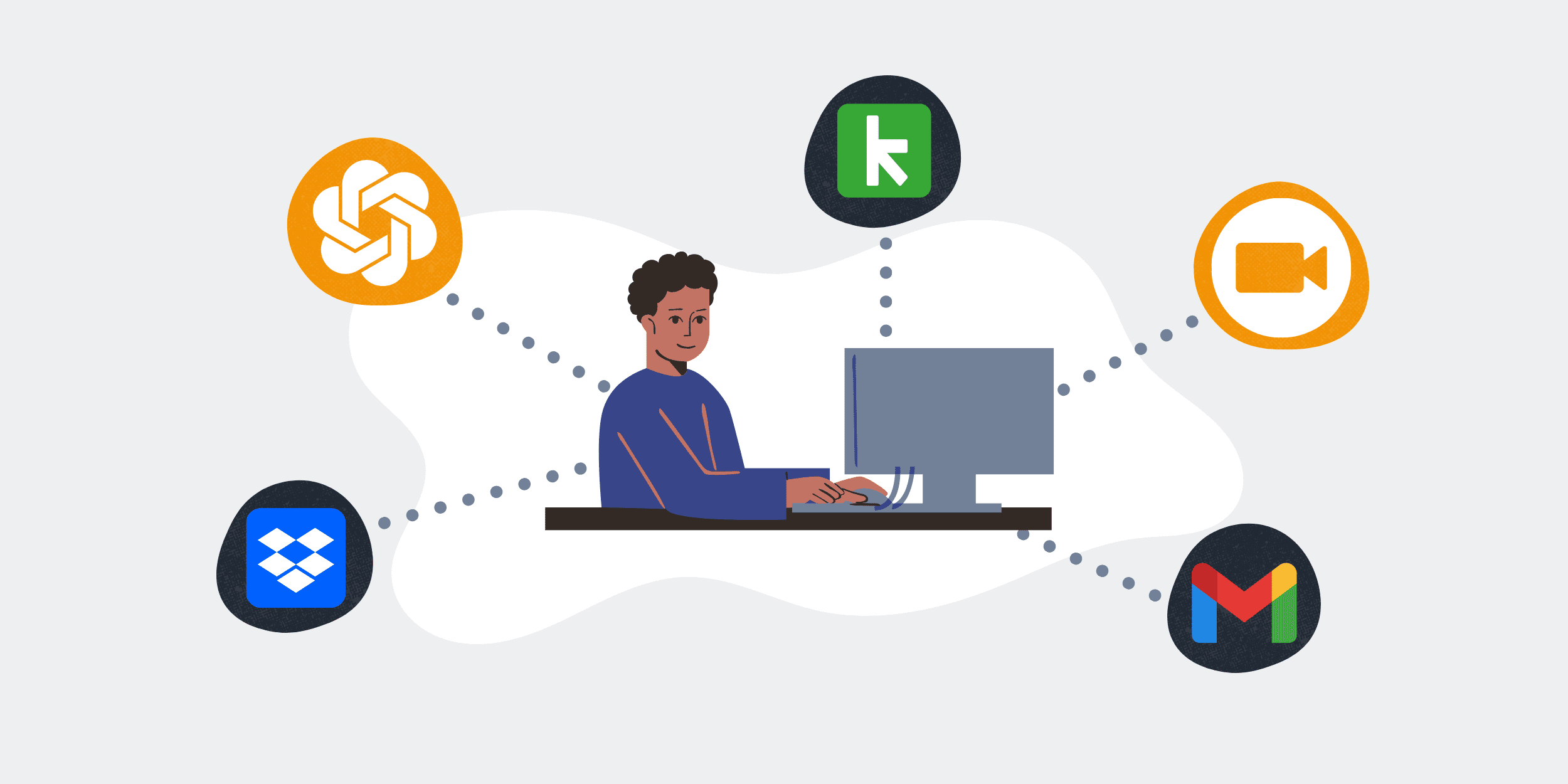
Make.com: Transform HR from Tactical Admin to Strategic Partner
Use Make.com HR automation to liberate your team from manual, tactical tasks. Automate recruitment, onboarding, and reporting workflows. Shift your focus to strategic planning and driving organizational growth.



