Comprehensive coverage of automation strategies and AI applications for human resources and recruiting professionals.

How NLP Transforms Candidate Screening: A Step-by-Step Implementation Guide

2026-04-15T22:26:05-08:00AI in Recruiting & Talent Acquisition, HR Automation|

NLP candidate screening cuts time-to-shortlist by understanding context, not just keywords — but only when it's layered onto a structured, audited hiring workflow. Build your data foundation first, configure semantic match criteria second, validate for bias third, and integrate NLP output into recruiter judgment last. In that sequence, NLP compounds quality without replacing human decision-making.

AI Chatbots for Pre-Screening: Frequently Asked Questions

2026-04-15T22:35:23-08:00AI in Recruiting & Talent Acquisition, HR Automation|

AI chatbots eliminate the manual bottleneck at the top of the recruiting funnel by engaging every applicant instantly, collecting structured qualification data at scale, and routing only verified candidates to recruiters. The result is faster time-to-fill, lower screening cost, and a standardized dataset that supports every downstream hiring decision.

What Is HR Workflow Automation? The Definition That Actually Matters

2026-04-15T22:31:00-08:00AI in Recruiting & Talent Acquisition, HR Automation|

HR workflow automation is the use of rules-based technology to execute repeatable HR tasks — scheduling, onboarding, payroll, compliance triggers — without manual intervention. It is not AI. It is the deterministic foundation that must be built before any AI layer is added. Organizations that automate the administrative spine first reclaim hours, eliminate transcription errors, and free HR to operate as a strategic function.

Human-Centered Automation: How Sarah Reclaimed 6 Hours a Week Without Losing the Human Touch

2026-04-15T22:29:31-08:00AI in Recruiting & Talent Acquisition, HR Automation|

Human-centered automation isn't a philosophy — it's a design decision. When HR leaders automate the right tasks (scheduling, status updates, document routing) and protect the right touchpoints (sensitive conversations, offer negotiations, terminations), they gain back time without eroding trust. Sarah's case proves the model: 60% faster hiring, 6 hours reclaimed weekly, zero complaints about feeling depersonalized.

What Is Data-Driven Recruitment Budgeting? A Strategic HR Finance Guide

2026-04-15T22:35:14-08:00AI in Recruiting & Talent Acquisition, HR Automation|

Data-driven recruitment budgeting is the practice of allocating and adjusting hiring spend based on real performance data — channel ROI, cost-per-hire, time-to-fill, and quality-of-hire metrics — rather than historical convention or gut feel. Teams that operate this way eliminate wasteful spend, redirect budget toward high-yield sources, and build a defensible financial case for every hiring investment.

Hyper-Personalization vs. Standard Personalization in Recruitment Marketing (2026): Which Drives Better Hiring Results?

2026-04-15T22:38:38-08:00AI in Recruiting & Talent Acquisition, HR Automation|

Hyper-personalization outperforms standard personalization in recruitment marketing when your data infrastructure and automation layer are already in place. Standard personalization wins on speed and simplicity for teams under 10 recruiters or with limited ATS data. For mid-market and enterprise recruiting, individual-level engagement driven by AI and behavioral data delivers measurably better pipeline quality and candidate conversion.

Fix AI Bias in HR: Data Privacy and Ethical Strategy

2026-04-15T23:31:57-08:00AI in Recruiting & Talent Acquisition, HR Automation|

AI bias in HR is a structural data problem, not a configuration setting. Biased training data produces biased outputs — every time. The nine strategies below address bias at its source: data curation, algorithm auditing, consent architecture, and embedded human oversight. Organizations that implement these controls before scaling AI tools eliminate the legal exposure and rebuild candidate and employee trust.

How to Automate HR Service Delivery: Make.com™ and AI Ticketing

2026-04-15T23:11:30-08:00AI in Recruiting & Talent Acquisition, HR Automation|

Automating HR service delivery starts with deterministic routing — not AI. Build a Make.com™ scenario that captures every employee inquiry, classifies it by category, resolves routine requests instantly from your HRIS, and escalates only true judgment calls to an AI layer. The result: sub-minute response times for 80%+ of tickets and HR teams reclaiming hours every week.

What Is Keap Automated Scoring? Precision Talent Identification for HR

2026-04-15T23:31:05-08:00AI in Recruiting & Talent Acquisition, HR Automation|

Keap automated scoring is a rules-based point system that assigns numeric values to candidate behaviors, qualifications, and engagement signals, then triggers workflow actions when a threshold is crossed. HR teams use it to rank applicants objectively, route high-scorers to recruiters instantly, and deprioritize weak fits — all without manual triage.

Quantify HR’s Innovation Impact on Business Value

2026-04-15T22:52:47-08:00AI in Recruiting & Talent Acquisition, HR Automation|

HR innovation impact is the quantifiable effect that HR-driven programs — talent strategy, learning investment, culture design, and workforce structure — have on an organization's capacity to generate new revenue, reduce competitive risk, and accelerate growth. Measuring it requires financial linkage, not just activity tracking. HR that cannot quantify innovation contribution cannot claim a seat at the strategy table.

9 Hidden Costs of Poor Employee Experience (And How Analytics Quantifies Each One)

2026-04-15T11:32:19-08:00AI in Recruiting & Talent Acquisition, HR Automation|

Poor employee experience is not a morale issue — it is a balance-sheet issue. Turnover replacement, productivity loss, absenteeism, and customer defection each carry a quantifiable price tag. Analytics converts these hidden drains into dollar figures executives can prioritize, fund countermeasures against, and track to closure. The organizations that measure this win; the ones that guess keep bleeding.

What Is a Unified Recruiting Ecosystem? Keap + Make.com Defined

2026-04-15T23:02:49-08:00AI in Recruiting & Talent Acquisition, HR Automation|

A unified recruiting ecosystem is a set of deterministic, integrated workflows that connect every tool in the hiring stack — CRM, ATS, calendar, job boards, and communication apps — so candidate data moves without human intervention. Keap acts as the relationship layer; Make.com™ acts as the orchestration layer. Together they eliminate the data silos that cause offer errors, missed follow-ups, and slow time-to-hire.

Automate Resume Data Mapping to Your CRM with Make.com

2026-04-15T23:46:28-08:00AI in Recruiting & Talent Acquisition, HR Automation|

Stop manually entering resumes. Learn how to use Make.com to intelligently parse and map unstructured candidate data directly into your CRM. Ensure clean, accurate data integrity and streamline your hiring workflows.

Secure Sensitive HR Data: Master Audit Logs & Compliance

2026-04-15T23:35:59-08:00AI in Recruiting & Talent Acquisition, HR Automation|

Audit logs are not a compliance checkbox — they are the operational backbone that makes every HR data access observable, defensible, and correctable. When David's team closed a $27K payroll error caused by untracked data entry, the root fix was immutable logging, not a policy memo. Build the log layer first; compliance follows automatically.

Automate Talent Acquisition End-to-End: How TalentEdge Went from Sourcing to Onboarding Without Manual Handoffs

2026-04-15T23:14:31-08:00AI in Recruiting & Talent Acquisition, HR Automation|

TalentEdge, a 45-person recruiting firm, eliminated manual handoffs across every stage of talent acquisition — sourcing, screening, interview scheduling, and onboarding — by building deterministic automation before layering in AI. The result: $312,000 in annual savings, 207% ROI in 12 months, and 12 recruiters reclaiming hours previously lost to administrative drag.

AI Automation for Executive Interview Scheduling and CX

2026-04-15T22:42:35-08:00AI in Recruiting & Talent Acquisition, HR Automation|

Automating executive interview scheduling eliminates the single largest source of candidate experience friction in senior hiring. When calendar coordination, confirmation flows, and rescheduling logic run on automation rather than email chains, recruiting teams reclaim double-digit hours per week and executive candidates experience a process that signals organizational sophistication — not chaos.

Outgrown Zapier? Upgrade to Make.com for Complex Automation

2026-04-16T00:30:21-08:00AI in Recruiting & Talent Acquisition, HR Automation|

Zapier is not a bad tool — it's the wrong tool once your workflows branch, loop, or require real data transformation. Make.com™ handles conditional logic, parallel execution, and complex data manipulation that Zapier's linear model structurally cannot. Organizations that migrate at the right inflection point cut automation costs and eliminate the brittle workaround tax that accumulates on Zapier.

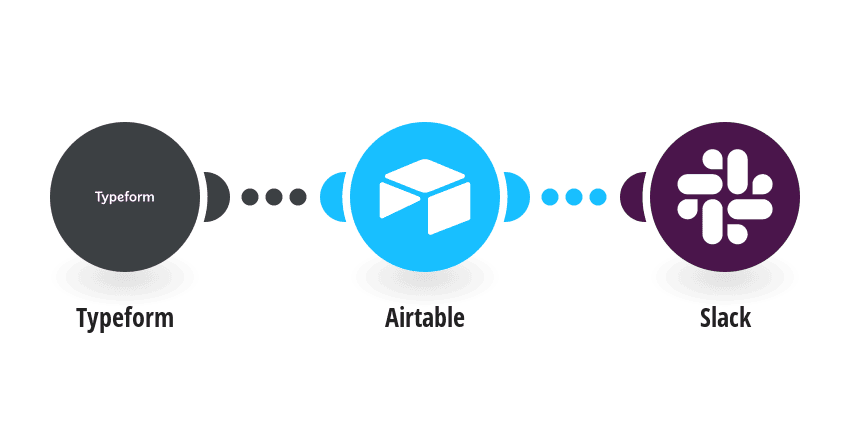
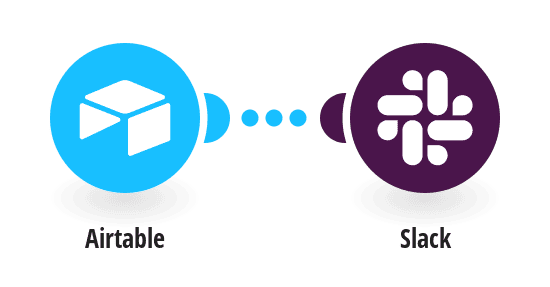
How to Connect Your ATS to Slack for Instant Candidate Alerts: A Practical Automation Guide

2026-04-16T00:30:16-08:00AI in Recruiting & Talent Acquisition, HR Automation|

Connecting your ATS to Slack takes six steps: map your trigger events, authenticate both apps in your automation platform, build the trigger, configure the Slack action, map dynamic data fields, and activate with a live test. Done correctly, your hiring team gets real-time candidate alerts without switching between systems — cutting response lag from hours to minutes.

Zapier Optimization: Frequently Asked Questions

2026-04-16T00:30:14-08:00AI in Recruiting & Talent Acquisition, HR Automation|

Zapier optimization comes down to three levers: smarter triggers, tighter filters, and fewer redundant action steps. Most teams overpay because their Zaps run on polling schedules, process irrelevant records, and duplicate logic across multiple workflows. Fix those first. When complexity outgrows Zapier's linear model, the right move is migrating to a platform built for conditional branching.

Make.com Scales Enterprise Automation Where Zapier Stops

2026-04-16T12:27:42-08:00AI in Recruiting & Talent Acquisition, HR Automation|

Enterprise automation scalability is an automation platform's capacity to sustain workflow performance as transaction volume grows, conditional logic deepens, and error-handling demands increase. Make.com™ is architected for this ceiling. Zapier's linear trigger-action model is not. Organizations that design for scale from day one avoid the costly rebuild that comes from outgrowing their first platform.

Make.com vs Zapier (2026): Which Automation Tool Is Right for You?

2026-04-16T12:27:35-08:00AI in Recruiting & Talent Acquisition, HR Automation|

Zapier wins for simple, linear trigger-action workflows that non-technical teams need running in under an hour. Make.com™ wins for multi-branch conditional logic, data transformation, and scenarios that would require multiple Zaps to replicate. Choose by workflow architecture first — platform features second. The wrong choice costs you in rework, not just subscription fees.

What Is Lead Routing Automation? The Definitive Guide for Modern Sales Teams

2026-04-16T12:27:30-08:00AI in Recruiting & Talent Acquisition, HR Automation|

Lead routing automation is the use of conditional workflow logic to instantly assign inbound leads to the correct sales rep, team, or queue—without human intervention. It eliminates manual triage, slashes response latency, and enforces routing rules consistently at any lead volume. Multi-branch scenarios outperform linear trigger-action tools for any routing logic beyond simple round-robin.

Build Predictive Workflows with Make.com and AI

2026-04-16T12:27:23-08:00AI in Recruiting & Talent Acquisition, HR Automation|

Predictive workflows are not an AI problem — they are an automation architecture problem. HR and recruiting teams that built conditional logic first and layered AI at specific judgment points cut hiring cycle time by 60%, reclaimed hundreds of hours per month, and delivered measurable cost savings. The automation spine must come before the intelligence layer.

Master Make.com Visual Automation: No-Code Guide for Business

2026-04-16T12:27:18-08:00AI in Recruiting & Talent Acquisition, HR Automation|

Make.com™ visual automation delivers measurable ROI for non-technical business teams when deployed against specific, high-frequency manual workflows. The organizations that see results start narrow — one broken process, one scenario — then expand systematically. Proof is in the hours reclaimed, errors eliminated, and revenue protected before any AI layer enters the picture.

APIs vs. Webhooks (2026): Which Powers Your Automation Platform Better?

2026-04-16T12:27:21-08:00AI in Recruiting & Talent Acquisition, HR Automation|

APIs and webhooks are not interchangeable — they are complementary integration methods with fundamentally different performance profiles. APIs run on request-response cycles best suited to on-demand data retrieval. Webhooks fire instantly on events, eliminating polling lag. Make.com™ gives you native control over both. Zapier abstracts them into simpler triggers that trade configurability for speed of setup.

Make.com vs. Zapier: Your Sales Team’s Guide to Automation (2026)

2026-04-16T15:09:51-08:00AI in Recruiting & Talent Acquisition, HR Automation|

For sales teams running simple trigger-action CRM updates and basic follow-up sequences, Zapier deploys faster and requires less setup. For teams with multi-branch lead scoring, conditional nurturing paths, or complex CRM data transformations, Make.com™ delivers the workflow architecture that Zapier's linear model cannot match. Match the platform to the complexity of the workflow, not the size of the team.

How We Diagnosed and Fixed 3 Critical Automation Failures: A Make.com Debugging Case Study

2026-04-16T12:27:16-08:00AI in Recruiting & Talent Acquisition, HR Automation|

Automation errors are architectural failures, not random glitches. In three real workflow breakdowns — a $27K payroll data mismatch, a silent ATS sync failure, and a runaway loop burning 40,000 operations overnight — the root cause was always the same: no error-handling layer designed into the scenario before launch. Build error routes first. Debug from the data layer up.

60% Faster HR Approvals with Make.com Conditional Logic: How Sarah Eliminated the Bottleneck

2026-04-16T15:09:46-08:00AI in Recruiting & Talent Acquisition, HR Automation|

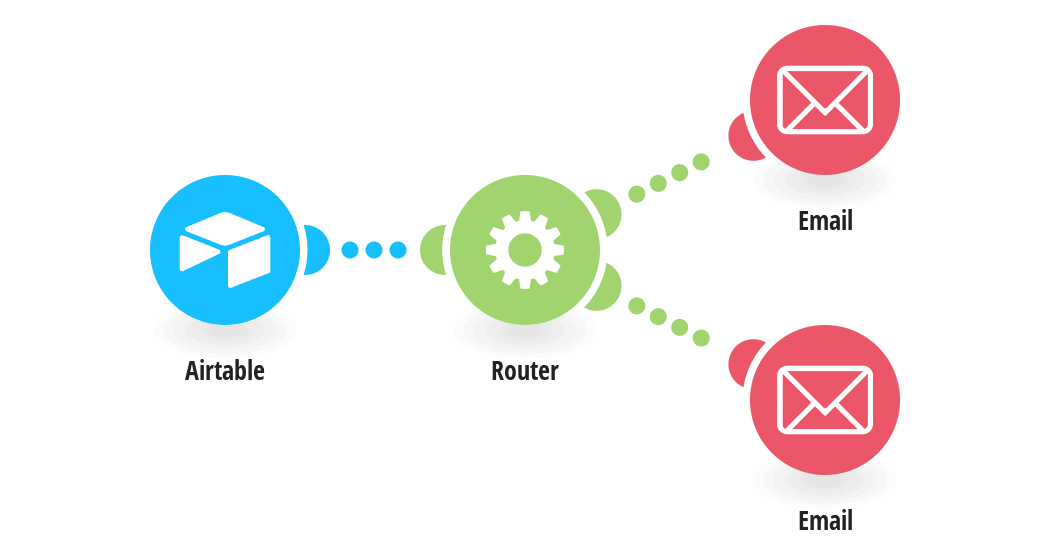
Multi-level HR approvals fail when a single routing error sends an offer to the wrong approver. Sarah, an HR Director at a regional healthcare organization, used Make.com's™ conditional logic and Router modules to automate a four-tier approval chain. The result: 60% faster approval cycles, 6 hours reclaimed per week, and zero manual routing errors within 90 days of go-live.

Make.com vs Zapier for Employee Onboarding Automation (2026): Which Platform Wins?

2026-04-16T15:09:48-08:00AI in Recruiting & Talent Acquisition, HR Automation|

For simple, linear onboarding sequences — send welcome email, create Slack channel, assign training — Zapier gets the job done in minutes without technical help. For multi-branch onboarding that routes new hires differently by department, role, location, or employment type, Make.com™ is the only defensible choice. Match the platform to the logic complexity of your process, not your comfort with technology.

Go to Top