Post: Navigating AI in HR: Balancing Innovation and Ethics
The Rapid Integration of AI in HR: Navigating the Ethical and Operational Landscape
The landscape of Human Resources is undergoing a profound transformation, driven by the accelerating integration of Artificial Intelligence (AI). What was once theoretical is now a practical reality, with AI tools moving from experimental pilot projects to indispensable components of daily HR operations. This shift promises unprecedented efficiencies, enhanced employee experiences, and data-driven insights, yet it also ushers in a new era of ethical considerations and operational challenges that HR leaders must navigate with strategic foresight. Understanding these dynamics is crucial for any organization aiming to remain competitive and compliant in the evolving world of work.
The AI Revolution in HR: A Rapid Ascent
In just the past few years, AI has moved from a fringe technology to a central pillar in HR strategy. Tools leveraging machine learning, natural language processing, and predictive analytics are now routinely used across the talent lifecycle. From automating resume screening and initial candidate outreach to powering intelligent chatbots for employee queries and delivering personalized learning pathways, AI’s presence is pervasive. A recent report by the “Workforce Futures Institute” highlights a 200% increase in HR departments adopting at least one AI-powered solution in the last 18 months, projecting that “85% of large enterprises will utilize AI for at least one critical HR function by 2027.”
This rapid ascent is fueled by a desire to overcome traditional HR pain points: the sheer volume of administrative tasks, the challenge of objectively identifying top talent, and the need for data-backed insights to inform strategic decisions. AI offers a pathway to offload repetitive, low-value work, allowing HR professionals to focus on higher-impact, strategic initiatives. For instance, AI-driven recruitment platforms can analyze vast quantities of applicant data to identify best-fit candidates faster and with less bias than traditional methods, while AI-powered analytics can predict employee turnover risks, enabling proactive retention strategies.
However, the swift pace of adoption also brings a sense of urgency to address its implications. Organizations are grappling with how to effectively integrate these tools without compromising human oversight or ethical standards. The market is flooded with solutions, making vendor selection and implementation a complex task for HR teams that may lack specialized AI expertise. As such, the current state of AI in HR is a dynamic blend of immense opportunity and significant responsibility.
Context and Implications for HR Professionals
The implications of AI integration for HR professionals are multifaceted, touching upon every aspect of talent management. Operationally, AI promises to streamline processes, reduce costs, and accelerate timelines. For instance, automating the initial screening of thousands of applications or handling routine HR queries through chatbots frees up recruiters and HR generalists for more complex, human-centric tasks. This shift doesn’t necessarily mean job displacement but rather a redefinition of roles, moving from transactional to strategic.
Ethically, the stakes are incredibly high. AI systems learn from data, and if that data reflects existing human biases, the AI will perpetuate and even amplify those biases. This can lead to discriminatory hiring practices, unfair performance evaluations, or unequal access to development opportunities. According to a study from the “University of Silicon Valley’s Center for Workforce Dynamics,” “over 60% of HR professionals express concerns about AI bias, with a significant minority reporting actual instances of perceived bias in pilot programs.” Data privacy is another critical concern, as AI tools often require access to sensitive employee information. Ensuring robust data governance and compliance with regulations like GDPR and CCPA becomes paramount.
Beyond bias and privacy, there’s the philosophical question of human oversight and the ‘black box’ problem—where the AI’s decision-making process is opaque. HR leaders must establish clear guidelines for when human intervention is required, ensuring transparency and accountability in AI-driven decisions. The psychological impact on employees also merits attention; concerns about surveillance, algorithmic management, and job security can lead to decreased morale and trust if not managed proactively and empathetically.
Practical Takeaways for Strategic AI Adoption
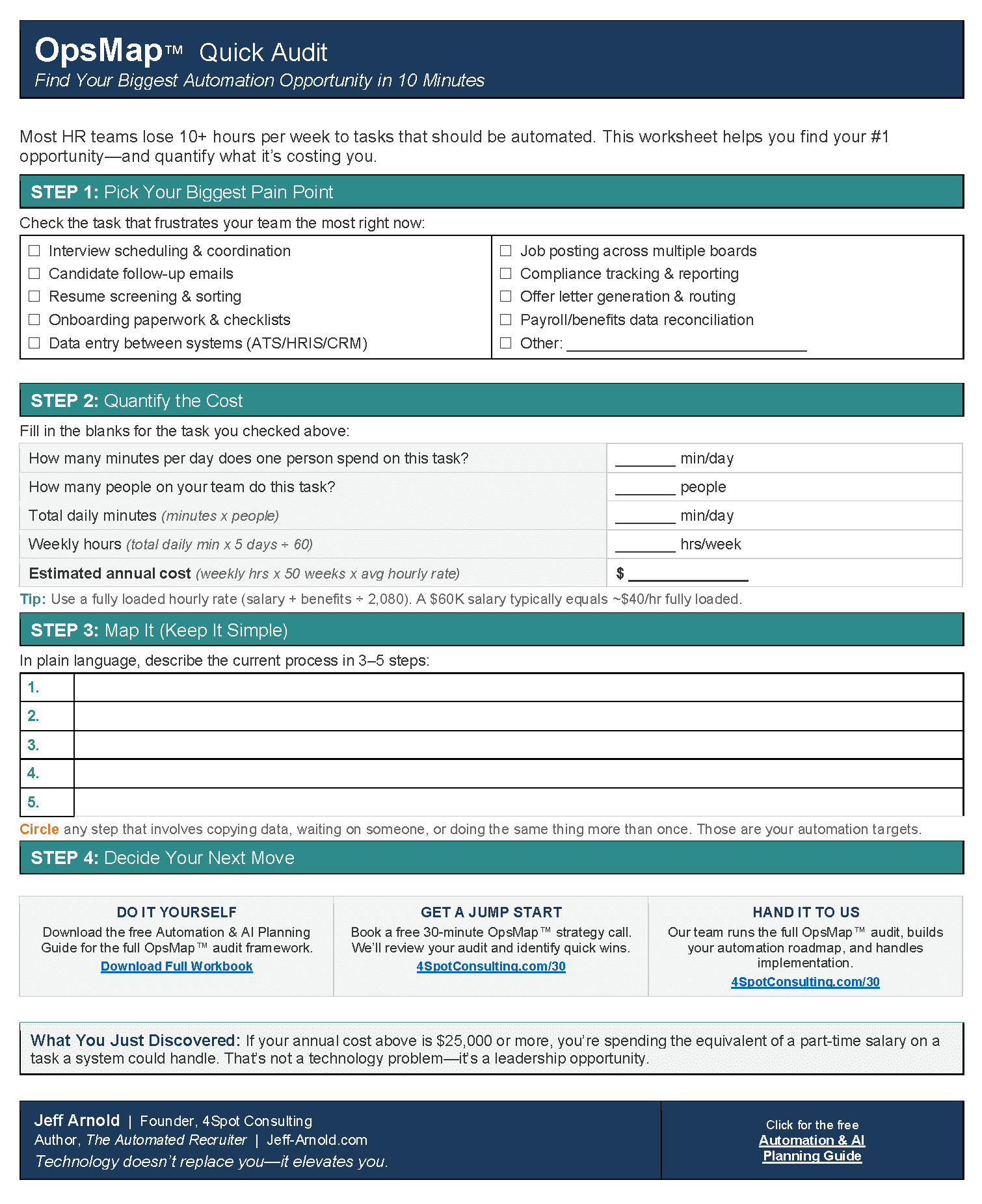
For HR professionals seeking to harness the power of AI responsibly and effectively, a strategic approach is essential. The first step is to identify specific pain points and use cases where AI can deliver clear, measurable value. Instead of adopting AI for its own sake, focus on how it can solve concrete business problems, such as reducing time-to-hire, improving onboarding efficiency, or enhancing employee retention rates. This requires a thorough internal audit of existing HR processes.
Secondly, prioritize ethical considerations from the outset. Implement robust data governance frameworks to ensure privacy and security. Actively seek out AI solutions designed with fairness and transparency in mind, and always be prepared to audit algorithms for bias. Establish a human-in-the-loop approach, where critical decisions informed by AI are always reviewed and validated by human experts. The “Global HR Tech Alliance” recently issued guidelines emphasizing “transparent AI models and explainable AI (XAI) as non-negotiable standards for ethical HR tech procurement.”
Thirdly, invest in upskilling your HR team. The future HR professional will need to be part data analyst, part ethicist, and part change management expert. Training in AI literacy, data interpretation, and ethical AI deployment will be crucial. This shift isn’t about replacing HR professionals but empowering them with tools to become more strategic and impactful. Consider partnering with specialized consultants to help bridge the knowledge gap and ensure successful integration.
Finally, foster a culture of continuous learning and adaptation. The AI landscape is evolving rapidly, and what works today may need refinement tomorrow. Regular reviews of AI tool performance, employee feedback mechanisms, and staying abreast of regulatory changes are vital. By embracing AI with a strategic, ethical, and human-centric mindset, HR can not only optimize operations but also build a more equitable, efficient, and engaging workplace for the future.
If you would like to read more, we recommend this article: The Future of HR Automation and AI
RELATED POST