13 Revolutionary AI Applications Transforming HR & Recruitment Today
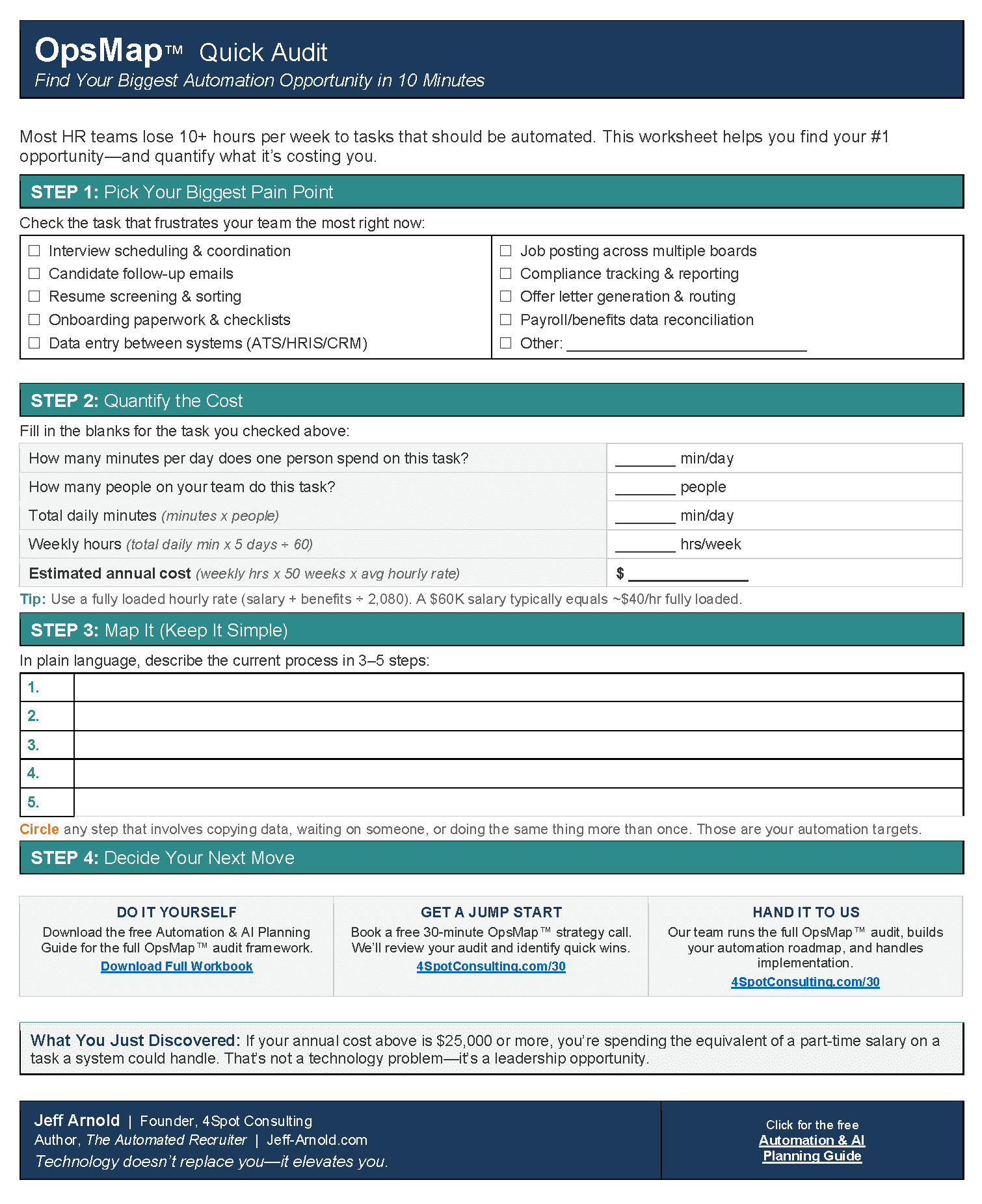
The landscape of Human Resources and Recruitment is undergoing a seismic shift, driven by the relentless march of artificial intelligence. For too long, HR professionals and recruiters have been mired in manual, repetitive tasks that consume valuable time and divert focus from strategic initiatives. From sifting through mountains of resumes to coordinating complex interview schedules, the administrative burden has often overshadowed the true potential of HR as a strategic business partner. At 4Spot Consulting, we understand that time is your most valuable asset, and inefficient processes are a direct drain on your company’s profitability and scalability. We’ve seen firsthand how high-growth B2B companies, often struggling to keep pace with operational demands, can unlock significant competitive advantages by embracing automation and AI. This isn’t just about cutting costs; it’s about eliminating human error, enhancing employee experiences, and freeing up your most valuable talent to focus on what truly drives your business forward. AI is no longer a futuristic concept; it’s a practical, implementable solution that can save you 25% of your day, immediately impacting your bottom line and empowering your team to achieve more with less. The question is no longer “if” AI will transform HR, but “how rapidly” your organization will leverage it to stay ahead.
This article dives deep into 13 revolutionary AI applications that are not just theoretically interesting, but are actively reshaping how HR and recruiting functions operate today. We’ll explore practical tools and strategies that help HR leaders, COOs, and Recruitment Directors streamline operations, make data-driven decisions, and build more resilient, agile workforces. From intelligent sourcing to predictive analytics for retention, these applications offer tangible benefits for businesses generating $5M+ ARR looking to optimize their human capital processes. We’re going to cut through the hype and focus on the actionable insights you need to understand where AI can deliver real, measurable ROI within your organization, helping you move from problem-aware to solution-aware with confidence.
1. AI-Powered Candidate Sourcing & Matching
In the fiercely competitive talent market, finding the right candidates quickly and efficiently is paramount. Traditional sourcing methods, often involving manual searches across numerous platforms, are not only time-consuming but can also lead to limited talent pools and unconscious bias. AI-powered candidate sourcing and matching revolutionize this process by leveraging sophisticated algorithms to identify, evaluate, and engage potential hires at an unprecedented scale. These systems can scour vast databases—including public profiles on LinkedIn, specialized job boards, internal talent pools, and even obscure niche communities—to unearth candidates who might otherwise be missed. Beyond simple keyword matching, AI can analyze a candidate’s entire professional footprint, assessing skills, experience, project contributions, and even cultural fit indicators derived from their online presence. It can infer capabilities from past roles, analyze career trajectories, and predict potential performance based on a multitude of data points, creating a much richer profile than a static resume ever could. This capability significantly broadens the talent net, introducing greater diversity and ensuring that recruiters are presented with the most relevant candidates, even for highly specialized roles. For a busy recruiting team, this means less time spent on initial candidate identification and more time engaging with high-potential individuals, ultimately accelerating the hiring cycle and improving the quality of hires. At 4Spot Consulting, we integrate tools that can automate the initial screening and data capture, often syncing seamlessly with CRMs like Keap, ensuring no promising candidate slips through the cracks and data is always a single source of truth.
2. Automated Resume Screening & Parsing
The sheer volume of applications for a single job opening can be overwhelming, turning resume screening into a monumental, labor-intensive task. Manual review is prone to human error, inconsistencies, and bias, potentially overlooking qualified candidates or wasting time on unsuitable ones. AI-powered resume screening and parsing tools address these challenges head-on. These applications use natural language processing (NLP) and machine learning to rapidly process thousands of resumes, extracting key information such as skills, educational background, work history, and qualifications. More advanced systems can go beyond simple keyword detection to understand context, identify transferable skills, and even rate candidates against predefined job criteria. For instance, instead of just looking for “project management,” AI can discern different levels of experience or specific methodologies (e.g., Agile, Scrum) mentioned throughout the document. This automation significantly reduces the time spent on initial screening, allowing recruiters to focus on a refined shortlist of highly relevant candidates. It ensures a consistent and objective evaluation process, minimizing the impact of unconscious bias and enhancing fairness in the hiring process. The data extracted can be automatically stored and categorized within an Applicant Tracking System (ATS) or CRM, like Keap, ensuring a clean, organized, and readily accessible database of talent. Our work with an HR tech client, where we automated their resume intake and parsing process using Make.com and AI enrichment, saved them over 150 hours per month, demonstrating the profound impact this application can have on operational efficiency and resource allocation.
3. Intelligent Chatbots for Candidate & Employee Support
The demand for immediate information and support from both candidates and employees places a significant burden on HR and recruitment teams. Candidates often have questions about job openings, company culture, or the application process, while employees frequently seek information on benefits, policies, or internal processes. Intelligent chatbots, powered by AI, offer a scalable and efficient solution to provide 24/7 support. These chatbots can handle a vast array of common inquiries, from answering FAQs about job descriptions and interview logistics to guiding candidates through application forms. For employees, they can provide instant access to HR policies, assist with benefits enrollment queries, or direct them to the right internal resources for more complex issues. The advanced natural language understanding (NLU) capabilities of modern chatbots allow them to interpret user intent, engage in conversational dialogue, and even personalize responses based on user profiles or past interactions. This not only significantly improves the candidate and employee experience by providing instant, accurate information but also frees up HR staff from repetitive administrative tasks, allowing them to focus on more strategic and nuanced human interactions. The ability to automate initial candidate screening questions or gather preliminary information also streamlines the recruitment funnel, ensuring that only engaged and qualified individuals proceed further. For a business operating at scale, chatbots are not just a convenience; they are a critical component of an efficient, always-on support infrastructure that elevates satisfaction and reduces operational overhead.
4. Predictive Analytics for Turnover & Retention
Employee turnover represents a significant cost and disruption for any business, impacting productivity, morale, and recruitment expenses. Understanding why employees leave and proactively addressing those factors is a core strategic challenge for HR leaders. AI-powered predictive analytics tools transform this challenge into an actionable opportunity. By analyzing vast amounts of historical and real-time employee data—including performance reviews, compensation, tenure, engagement survey results, manager feedback, and even sentiment analysis from internal communications—AI algorithms can identify patterns and correlations that predict the likelihood of an employee leaving the organization. These models can pinpoint specific departments, roles, or demographic groups at higher risk of attrition, and even highlight the underlying reasons, such as lack of growth opportunities, compensation issues, or dissatisfaction with management. With these insights, HR departments can move from reactive damage control to proactive retention strategies. For example, if the AI predicts that employees in a certain department are likely to leave within the next six months due to a perceived lack of development, HR can intervene with targeted training programs, mentorship opportunities, or revised career paths. This allows organizations to address potential issues before they escalate into actual departures, saving substantial costs associated with recruitment, onboarding, and lost productivity. Integrating this with systems like a single source of truth for employee data, which 4Spot Consulting helps establish, ensures the AI has the most accurate and comprehensive data to work with, delivering truly actionable insights for strategic workforce planning and improved talent retention efforts.
5. AI-Driven Interview Scheduling & Coordination
The process of scheduling interviews is notoriously complex and time-consuming, especially for roles requiring multiple interview rounds with various stakeholders. The back-and-forth emails, calendar clashes, and constant rescheduling can create a logistical nightmare for recruiters, hiring managers, and candidates alike, often leading to delays and a suboptimal candidate experience. AI-driven interview scheduling tools eliminate this administrative burden entirely. These sophisticated platforms integrate directly with the calendars of all participants—candidates, recruiters, and hiring managers—to identify available time slots that suit everyone. They can automatically propose optimal times, send out invitations, manage confirmations, and issue timely reminders, all without human intervention. Advanced AI can even prioritize based on urgency, interviewer availability, or candidate preference. For instance, if a high-priority candidate expresses a preference for morning interviews, the AI can intelligently adjust to accommodate. This level of automation significantly reduces the manual effort involved, freeing up recruitment teams to focus on candidate engagement and assessment rather than logistical coordination. It also drastically speeds up the interview process, ensuring that promising candidates don’t lose interest due to protracted scheduling delays. Furthermore, by providing a seamless and professional scheduling experience, these tools enhance the overall candidate journey, reflecting positively on the organization’s efficiency and brand. For a busy recruiting operation, this isn’t just a convenience; it’s a critical component in accelerating time-to-hire and ensuring a smooth, impressive experience for everyone involved in the recruitment funnel. This is a prime example of how automation orchestrated by platforms like Make.com can save high-value employees from low-value, repetitive work.
6. Personalized Employee Onboarding Experiences
Effective onboarding is crucial for new hire retention, productivity, and overall engagement, yet many organizations still rely on generic, one-size-fits-all processes. AI is transforming onboarding by enabling highly personalized and adaptive experiences that cater to the unique needs of each new employee. Instead of a standard checklist, AI can analyze a new hire’s role, department, previous experience, and even learning style to curate a tailored onboarding journey. This might include personalized learning modules, relevant company policies, introductions to key team members, and access to specific tools and resources pertinent to their role. For example, an AI-powered system could identify that a new sales hire would benefit from specific CRM training and automatically enroll them, while a new marketing specialist receives a different set of materials focused on brand guidelines and content platforms. The AI can also automate the delivery of critical documents, collect necessary information, and track progress, ensuring compliance and completion of all essential tasks. Beyond administrative efficiency, personalization fosters a stronger sense of belonging and engagement from day one, helping new employees integrate faster and become productive sooner. It reduces the overwhelming feeling often associated with starting a new job by providing information in digestible, relevant chunks. For companies aiming for high retention and rapid time-to-productivity for their new hires, AI-driven personalized onboarding is a strategic imperative. This can be integrated into a broader HR automation strategy using platforms like Keap to manage communication flows and document management, ensuring a seamless experience.
7. AI for Performance Management & Feedback
Traditional performance reviews often suffer from subjectivity, infrequency, and a backward-looking perspective, making them less effective as tools for continuous improvement. AI is revolutionizing performance management by enabling more objective, continuous, and forward-looking feedback mechanisms. AI tools can analyze various data points—from project contributions and task completion rates to peer feedback and even communication patterns—to provide a holistic and unbiased view of an employee’s performance. For example, AI can identify consistent patterns in productivity, highlight areas where an employee excels, or pinpoint specific skill gaps that need development. It can also help managers in drafting more constructive and objective feedback by analyzing performance data rather than relying solely on subjective observations. Beyond traditional reviews, AI can facilitate real-time feedback loops, allowing for immediate recognition or corrective action, which is far more impactful than waiting for an annual review. Some systems can even offer personalized coaching suggestions or recommend relevant learning resources based on an individual’s performance data and career aspirations. By providing data-driven insights, AI empowers both employees and managers to have more meaningful conversations about growth and development. It moves performance management from an annual formality to a continuous process of improvement and engagement, ensuring that employee contributions are accurately assessed and strategically nurtured. This shift is critical for fostering a culture of high performance and continuous learning, which are hallmarks of successful, scalable organizations.
8. Automated Compliance & Risk Management
Navigating the complex and ever-evolving landscape of labor laws, data privacy regulations (like GDPR or CCPA), and internal policies is a significant challenge for HR departments. Non-compliance can lead to hefty fines, legal disputes, and reputational damage. AI-powered solutions are emerging as critical tools for automating compliance and mitigating risk within HR operations. These systems can continuously monitor regulatory changes across different jurisdictions, flagging potential impacts on company policies, hiring practices, or employee data management. For example, an AI could automatically alert HR when a new state law on leave policies is enacted, providing a summary of changes and suggesting updates to the employee handbook. Furthermore, AI can be used to audit internal processes, ensuring that hiring practices are free from bias, data handling adheres to privacy regulations, and employee documentation is complete and up-to-date. It can identify inconsistencies in policy application or flag potential areas of non-compliance in real-time. This capability is invaluable for managing sensitive employee data, ensuring secure storage, access control, and proper data retention. For instance, AI can monitor access logs to HR systems, identifying unusual activity that might indicate a security breach or policy violation. By automating these checks and providing proactive alerts, HR teams can significantly reduce their administrative burden while substantially lowering the risk of legal and compliance issues. This strategic application of AI protects the organization, ensures ethical practices, and allows HR professionals to focus on human-centric tasks rather than fear of regulatory oversight. This aligns perfectly with 4Spot Consulting’s focus on eliminating human error and safeguarding critical business data through automation, like our CRM & Data Backup offerings.
9. Upskilling & Reskilling with AI-Personalized Learning Paths
In a rapidly changing economic and technological landscape, the skills required for success are constantly evolving. Organizations face the challenge of keeping their workforce relevant and competitive. AI is transforming corporate learning and development by creating highly personalized and dynamic upskilling and reskilling programs. Instead of generic training modules, AI platforms can assess an individual employee’s current skill set, identify gaps relative to their role requirements or career aspirations, and then recommend a tailored learning path. This might involve suggesting specific courses, workshops, articles, or mentorship opportunities from a vast library of resources. For example, if an AI identifies that a marketing specialist needs to improve their data analytics skills, it can automatically recommend a series of online courses, practical projects, and even internal experts who can provide guidance. These systems can also track an employee’s progress, adapt the learning path based on their performance and engagement, and provide insights into skill mastery. Furthermore, AI can predict future skill demands based on industry trends and business strategy, allowing organizations to proactively train their workforce for emerging roles. This ensures that the company always has the necessary talent internally, reducing reliance on external hiring and fostering a culture of continuous learning and growth. By optimizing learning investments and making development highly relevant to individual needs and business objectives, AI-powered learning paths are critical for building an agile, future-proof workforce that can adapt to any challenge.
10. Data-Driven Compensation & Benefits Optimization
Attracting and retaining top talent hinges significantly on offering competitive compensation and benefits packages. However, determining optimal offerings requires deep analysis of market trends, internal equity, and individual performance—a complex and often subjective process. AI is revolutionizing compensation and benefits strategies by providing data-driven insights and automation. AI tools can analyze vast datasets of market compensation benchmarks, industry salary surveys, and internal employee data (performance, tenure, role, location, etc.) to identify optimal salary ranges for various positions. They can detect discrepancies in internal pay structures, highlighting potential equity issues that need addressing. For benefits, AI can analyze employee demographics, engagement data, and even external provider information to recommend benefits packages that are most valued by the workforce and cost-effective for the company. For instance, AI might identify a trend among younger employees valuing flexible work options over traditional health benefits, informing strategic adjustments. These insights enable HR leaders to make more informed, equitable, and competitive decisions regarding pay and benefits. It moves the process beyond guesswork or historical norms to a strategic, analytical approach that aligns with both market realities and employee expectations. This ensures the organization can attract the best talent, reduce turnover related to compensation dissatisfaction, and optimize its total rewards investment for maximum impact. By providing clear, actionable data, AI transforms compensation and benefits from an administrative task into a powerful strategic lever for talent management.
11. Enhancing Diversity, Equity, and Inclusion (DEI) with AI
Building a diverse, equitable, and inclusive workforce is not just a moral imperative; it’s a proven driver of innovation, performance, and financial success. Yet, unconscious bias can subtly permeate various stages of the employee lifecycle, from job descriptions to promotions. AI offers powerful tools to identify and mitigate these biases, significantly enhancing DEI initiatives. AI-powered text analysis tools can scan job descriptions, internal communications, and performance reviews to flag gender-coded language, cultural biases, or phrases that might inadvertently deter diverse candidates. For example, words like “ninja” or “rockstar” might subtly appeal more to male applicants, while an AI can suggest more inclusive alternatives. In sourcing and screening, AI can broaden talent pools by identifying qualified candidates from underrepresented groups, ensuring that recruitment efforts reach beyond traditional networks. Some AI tools can even anonymize resumes or specific demographic data during initial screening to reduce unconscious bias in the review process. Furthermore, AI can analyze HR data to identify patterns of inequality in hiring, promotions, or compensation, providing actionable insights for targeted interventions. It can highlight departments lacking diversity or identify bottlenecks in career progression for specific groups. By providing objective data and identifying areas where bias might exist, AI empowers organizations to create more equitable and inclusive processes and outcomes. This helps build a workplace where everyone feels valued and has an equal opportunity to thrive, leading to a stronger, more innovative workforce aligned with the strategic goals of the organization.
12. AI in Workforce Planning & Succession Management
Strategic workforce planning and robust succession management are critical for business continuity and long-term growth, especially in high-growth companies experiencing rapid change. Predicting future talent needs, identifying skill gaps, and preparing future leaders is a complex task often reliant on subjective assessments and limited data. AI is revolutionizing this by providing predictive insights and data-driven recommendations. AI models can analyze internal data (employee skills, performance, career aspirations, historical turnover) combined with external market trends (economic forecasts, industry shifts, demographic changes) to forecast future talent demands and potential skill deficits within the organization. This allows HR and leadership to proactively develop strategies for hiring, training, or redeploying talent. For succession planning, AI can identify high-potential employees based on their performance, learning agility, and leadership competencies, matching them with potential future roles. It can highlight critical roles at risk of vacancy due to retirement or anticipated turnover and suggest a pipeline of ready successors, along with recommended development plans. This moves succession planning from a manual, often reactive process to a dynamic, forward-looking strategy. For example, if an AI predicts a shortage of specific technical skills within two years due to industry advancements, the company can immediately launch targeted upskilling programs or adjust its recruitment strategy. By providing a clear, data-informed roadmap for talent, AI ensures that the organization is always prepared for future challenges and opportunities, maintaining a strong leadership pipeline and a skilled workforce essential for sustained growth and resilience. This is a core component of building an “OpsMesh” where talent strategy is integrated with overall operational efficiency.
13. Real-time HR Analytics & Reporting
In today’s fast-paced business environment, timely access to actionable insights is paramount for strategic decision-making. Traditional HR reporting, often relying on retrospective data and manual compilation, can be slow, fragmented, and lack the depth needed to truly inform business strategy. AI-powered real-time HR analytics and reporting tools transform this by providing instant, comprehensive, and predictive insights into all facets of human capital. These systems can integrate data from various HR platforms—HRIS, ATS, LMS, performance management systems, and even external sources—to create a unified, single source of truth for all HR data. Through AI-driven dashboards and natural language query interfaces, HR leaders, COOs, and business executives can instantly access key metrics such as time-to-hire, cost-per-hire, employee turnover rates, engagement scores, diversity metrics, and much more. Beyond descriptive analytics (what happened), AI enables diagnostic (why it happened), predictive (what will happen), and even prescriptive (what should we do) analytics. For instance, an AI might not only report a rise in attrition but also suggest that a particular manager’s leadership style is a contributing factor based on sentiment analysis of employee feedback. This allows for immediate intervention and course correction. The ability to visualize trends, identify correlations, and drill down into specific data points in real-time empowers HR to move from an administrative function to a strategic, data-driven partner in the business. It ensures that decisions related to talent acquisition, development, and retention are informed by the most current and comprehensive data available, maximizing ROI on human capital investments and driving overall business performance. This capability is fundamental to saving high-value employees from low-value data compilation and analysis, freeing them for strategic thought and action.
The integration of AI into HR and recruiting is not merely a technological upgrade; it’s a fundamental shift in how organizations manage their most valuable asset: their people. By automating repetitive tasks, providing predictive insights, and enhancing the employee experience, AI empowers HR professionals to move beyond administrative burdens and step into a truly strategic role. The 13 applications we’ve explored demonstrate a clear path towards increased efficiency, better decision-making, and a more engaged, productive workforce. For high-growth B2B companies generating $5M+ ARR, ignoring these advancements isn’t an option—it’s a missed opportunity to save 25% of your day, eliminate human error, and scale profitably. At 4Spot Consulting, we specialize in helping businesses like yours navigate this transformation, leveraging tools like Make.com and our OpsMesh framework to implement AI and automation solutions that deliver measurable ROI. It’s about building intelligent systems that support your strategic objectives and free your team to focus on innovation and growth. Don’t let the complexity of implementation deter you; the competitive advantage is too significant to ignore.
If you would like to read more, we recommend this article: The Strategic Imperative: Why HR and Recruiting Automation is Not Just About Efficiency, But Exponential Growth