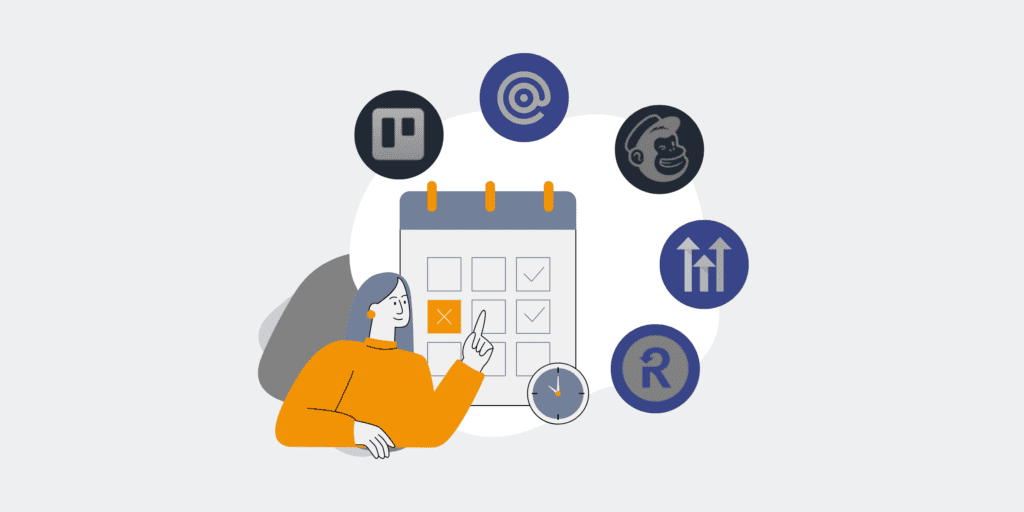
Post: HR Automation: Turning Hidden Costs into Measurable Profits
Unmasking the Hidden Costs of Manual HR: How Automation Transforms Your Bottom Line
The Silent Drain on Your Enterprise
In today’s fast-paced business environment, every moment and every dollar counts. Yet, many high-growth B2B companies find themselves grappling with an insidious drain on their resources: the manual, repetitive processes embedded within their Human Resources departments. Often dismissed as “just how things are done,” these traditional workflows—from candidate screening to employee onboarding, payroll processing, and benefits administration—are far from benign. They represent a significant, often overlooked, financial and operational burden that hinders scalability, stifles innovation, and quietly erodes your bottom line. We’ve seen firsthand how these inefficiencies compound, turning what appears to be a minor administrative task into a monumental obstacle to growth and profitability.
The True Price Tag of Human Error and Repetition
It’s easy to quantify the direct costs of HR staff salaries, but the indirect and invisible costs are far more devastating. Consider the hours spent by highly paid HR professionals on data entry, cross-referencing spreadsheets, or chasing down signatures. This isn’t just inefficient; it’s a strategic misallocation of talent. Your HR team should be focused on talent strategy, employee development, and fostering a positive company culture, not performing tasks that a machine could handle in seconds.
Recruitment: Beyond the Resume Black Hole
Take recruitment, for example. The manual screening of hundreds of resumes, scheduling interviews, sending follow-up emails, and managing applicant data in disparate systems is a time sink. Each step is prone to human error, leading to missed opportunities, extended time-to-hire, and a poor candidate experience. This doesn’t just cost money in terms of lost productivity; it costs you top talent who might move on to competitors with more streamlined processes. We helped an HR tech client save over 150 hours per month by automating their resume intake and parsing process using Make.com and AI enrichment, then syncing to Keap CRM. This isn’t theoretical; it’s a tangible outcome.
Onboarding: The First Impression That Lasts
Once a candidate is hired, the manual onboarding process often involves a cascade of paperwork, system access requests, and training coordination. Delays in providing necessary tools or information can lead to new hires feeling disengaged or unproductive from day one. This not only impacts morale but delays their contribution to your company’s revenue. A fragmented onboarding experience is a direct threat to retention, costing businesses untold sums in re-recruitment and retraining.
Payroll and Benefits: Compliance, Complexity, and Catastrophes
Few areas are as critical and fraught with potential for error as payroll and benefits administration. Manual data entry for hours worked, deductions, or benefits changes can lead to costly mistakes, compliance issues, and employee dissatisfaction. The administrative overhead required to ensure accuracy and adhere to ever-changing regulations is immense. This is not merely an HR function; it’s a financial and legal imperative that, when handled manually, carries significant risk.
Automation and AI: The Strategic Imperative for Modern HR
The solution isn’t to work harder, but smarter. Automation and AI are no longer optional luxuries; they are fundamental components of a scalable, efficient, and compliant HR operation. By leveraging platforms like Make.com, Keap, and specialized AI tools, businesses can transform their HR processes from reactive and error-prone to proactive and precise.
Reclaiming Time, Empowering People
Imagine an HR department where resume screening is automated, scheduling is self-service, onboarding documents are generated and distributed digitally, and payroll data flows seamlessly between systems. This isn’t a futuristic dream; it’s the operational reality we build for our clients. By eliminating the mundane, repetitive tasks, we free up your HR team to focus on strategic initiatives that truly impact your business – like talent development, employee engagement, and driving a culture of high performance. This directly aligns with our mission to help you save 25% of your day.
Error Reduction and Compliance Confidence
Automation inherently reduces human error. Standardized workflows ensure that every step is executed consistently, every time. This translates to accurate payroll, correct benefits enrollment, and robust compliance with regulatory requirements. For business leaders, this means peace of mind, knowing that critical HR functions are being handled with precision and accountability, mitigating financial and legal risks.
4Spot Consulting’s Approach: From Inefficiency to Innovation
At 4Spot Consulting, our OpsMesh™ framework provides a structured pathway to this transformative efficiency. We don’t just implement technology; we strategize. Our process begins with an OpsMap™ – a deep-dive audit to uncover every single inefficiency and bottleneck within your HR and operational workflows. We pinpoint where manual efforts are draining resources and identify the precise automation opportunities that will deliver the highest ROI.
Once the map is clear, our OpsBuild™ phase brings these solutions to life. We specialize in connecting disparate SaaS systems, building robust automation flows, and integrating AI to streamline everything from initial contact to employee exit. This isn’t about complex, custom code; it’s about leveraging powerful low-code platforms and AI to create interconnected systems that work harmoniously. Our experience connecting dozens of SaaS systems via Make.com has repeatedly shown that the right strategic integrations can unlock previously unimaginable efficiencies.
The Bottom-Line Impact: Scalability, Savings, and Strategic Advantage
The ultimate benefit of automating your HR operations extends far beyond simple cost cutting. It’s about building an agile, scalable enterprise. When your HR processes are optimized, your business can grow without disproportionately increasing administrative overhead. You can onboard new teams, expand into new markets, and innovate faster because your foundational systems are robust and efficient. We’ve helped clients achieve production increases of 240% and annual cost savings exceeding $1M by strategically applying automation and AI. These are not just numbers; they are testaments to operational excellence that directly impact your ability to compete and win.
Ready to Transform Your HR Operations?
The path to eliminating hidden costs and unlocking peak operational performance in HR starts with understanding your current landscape. Don’t let manual inefficiencies continue to hold your business back.
If you would like to read more, we recommend this article: The Future of Recruitment: AI and Automation Strategies for 2024 and Beyond



RELATED POST