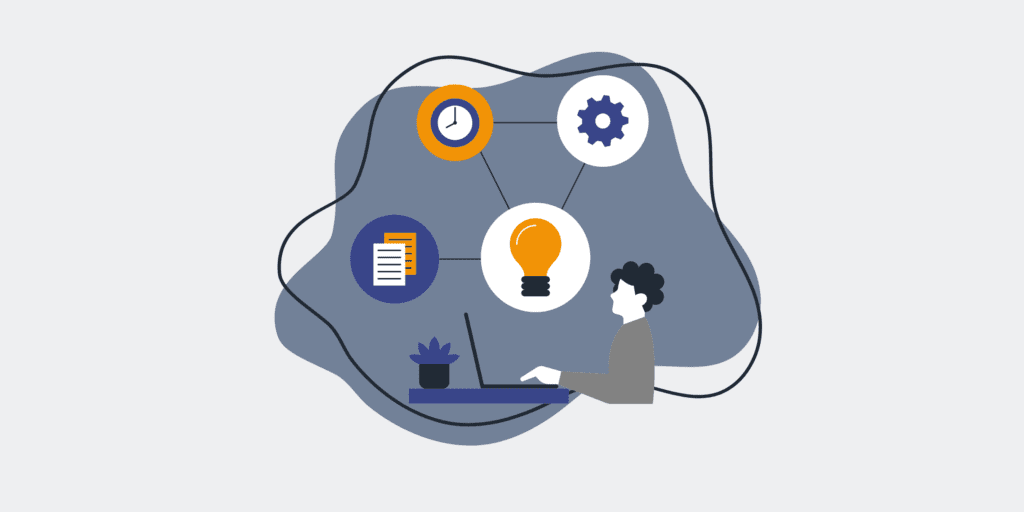
Post: Seamless Data Flow: The Strategic Imperative for B2B Peak Performance
Unlocking Peak Performance: The Strategic Imperative of Seamless Data Flow in B2B Operations
In the high-stakes world of B2B operations, efficiency and precision aren’t just buzzwords—they are the bedrock of scalability and sustained growth. Yet, many organizations find themselves grappling with a pervasive, often invisible, challenge: fragmented data. As businesses grow, they adopt new systems, tools, and platforms, each designed to solve a specific problem. Over time, this natural evolution can lead to a labyrinth of disconnected data points, turning what should be a streamlined operation into a complex, error-prone endeavor.
This isn’t merely an IT headache; it’s a strategic bottleneck that impacts everything from sales and marketing to HR and customer service. High-value employees, tasked with strategic initiatives, often find themselves mired in low-value, repetitive tasks like manual data entry, cross-referencing spreadsheets, or chasing down information scattered across disparate systems. The cumulative effect? Wasted time, increased operational costs, delayed decision-making, and a significant drain on your most valuable asset: your people.
The Invisible Tax on Your Business: Fragmented Data
Consider the invisible tax that siloed data imposes on your business. When your CRM doesn’t seamlessly communicate with your project management tool, or your HR system operates in isolation from your payroll and onboarding platforms, inefficiencies multiply. Data duplication becomes rampant, leading to inconsistencies that erode trust and complicate reporting. Imagine a recruitment director manually transferring candidate information from an ATS to a CRM, or an operations manager painstakingly compiling disparate sales figures from multiple regional databases. Each manual touchpoint introduces a risk of human error, slows down processes, and diverts precious resources from strategic work.
Beyond Basic Integration: The Need for True Synergy
Many businesses attempt to address this through basic integrations. While connecting two systems is a start, it often falls short of creating true synergy. A piecemeal approach to integration can result in a spaghetti-like architecture that is fragile, difficult to maintain, and incapable of providing a holistic “single source of truth.” What’s truly needed is a strategic framework that not only connects systems but orchestrates them, ensuring that data flows intelligently, accurately, and autonomously across your entire operational ecosystem. This goes beyond simple data transfer; it’s about intelligent automation that anticipates needs, triggers actions, and maintains data integrity without constant human intervention.
Building the OpsMesh: A Strategic Approach to Data Harmony
At 4Spot Consulting, we understand that achieving seamless data flow isn’t just about deploying the latest tools; it’s about adopting a strategic, outcome-driven approach. This is where our OpsMesh framework comes into play. OpsMesh isn’t just an automation strategy; it’s a philosophy for creating an interconnected, intelligent operational environment where data moves freely and efficiently, powering every aspect of your business.
Our approach begins with the OpsMap™—a strategic audit designed to uncover the hidden inefficiencies and automation opportunities lurking within your current operations. We don’t just guess; we diagnose. By understanding your specific pain points and strategic objectives, we can then design and implement robust, AI-powered automation solutions through OpsBuild™. This ensures that every system, from your CRM like Keap to your HR tech and document management, contributes to a unified data ecosystem, eliminating human error, reducing operational costs, and significantly increasing scalability.
The ROI of Data Unification: What You Stand to Gain
The return on investment for achieving seamless data flow is tangible and transformative. Imagine reclaiming 25% of your team’s day—time that can be redirected from mundane administrative tasks to high-impact, revenue-generating activities. This translates to reduced operational overheads, faster lead conversion times, improved customer satisfaction, and the ability to scale your operations without a proportionate increase in headcount. By leveraging powerful orchestration tools like Make.com, we help businesses connect dozens of SaaS systems, turning disjointed workflows into intelligent, automated processes that deliver real business outcomes. This proactive approach to data management empowers business leaders with accurate, real-time insights, enabling smarter, faster decisions.
Real-World Impact: From Chaos to Clarity
Consider the real-world impact for an HR firm we worked with, buried under the manual processing of hundreds of resumes each week. Their hiring managers were spending countless hours sorting, parsing, and manually entering candidate data into their CRM. It was a bottleneck that stifled their ability to scale and deliver value. Through strategic automation, we transformed their resume intake and parsing process, using AI to enrich data and seamlessly sync it to Keap CRM. This eliminated manual data entry, reduced errors to near zero, and freed up over 150 hours per month for their high-value employees to focus on candidate engagement and strategic talent acquisition. This isn’t just about saving time; it’s about building a robust, resilient operation that enables consistent growth and market leadership.
In today’s competitive landscape, seamless data flow isn’t a luxury—it’s a foundational imperative for any B2B company aiming for peak performance. By strategically unifying your data and automating your operations, you empower your team, reduce costs, and unlock unprecedented levels of efficiency and scalability. It’s about moving from simply managing data to intelligently leveraging it as a strategic asset, ensuring that your business is not just surviving, but thriving and poised for future growth.
Ready to uncover automation opportunities that could save you 25% of your day? Book your OpsMap™ call today.
If you would like to read more, we recommend this article: The Hidden Costs of Fragmented Data: Why Your Business Needs a Single Source of Truth


RELATED POST